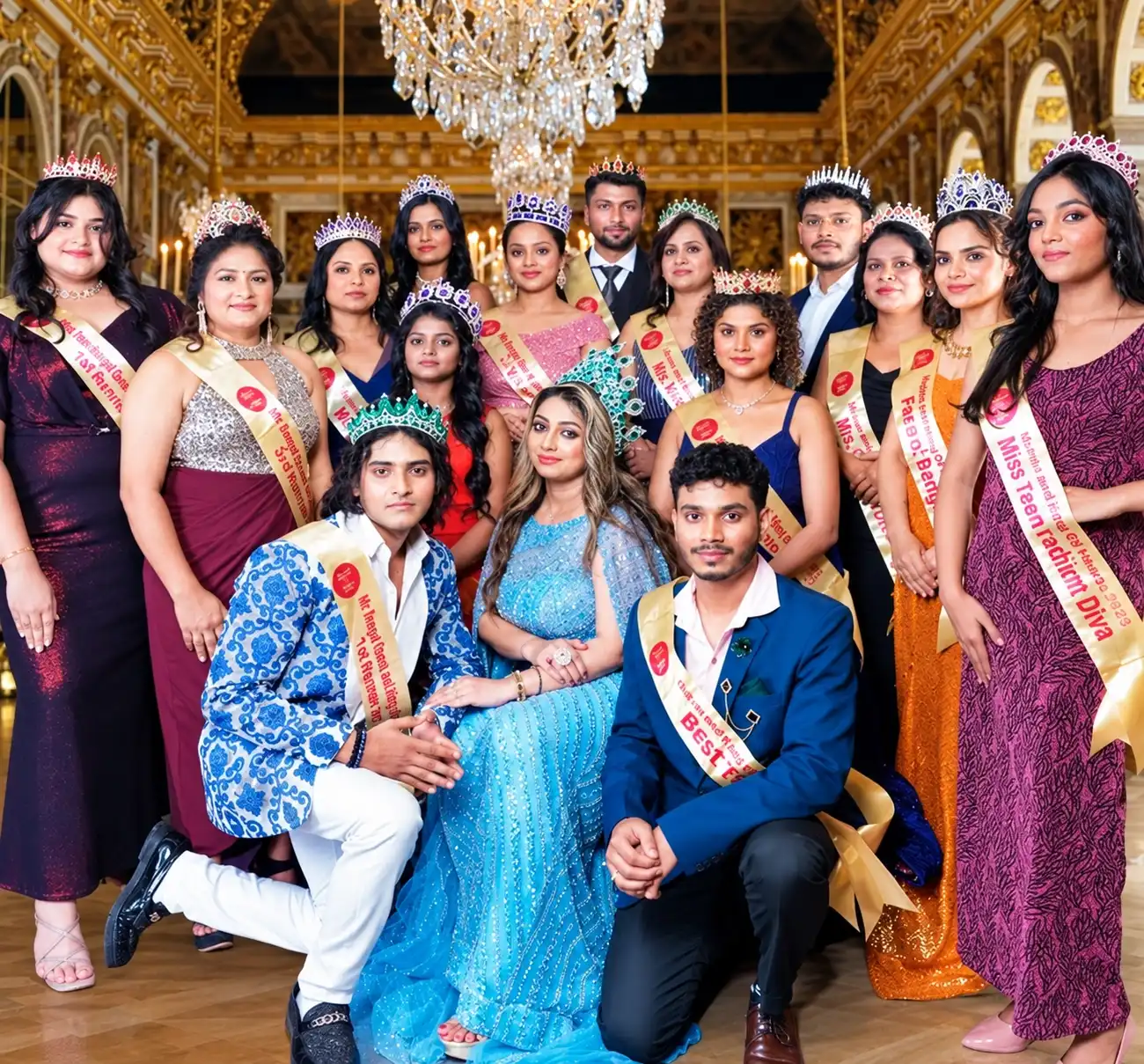
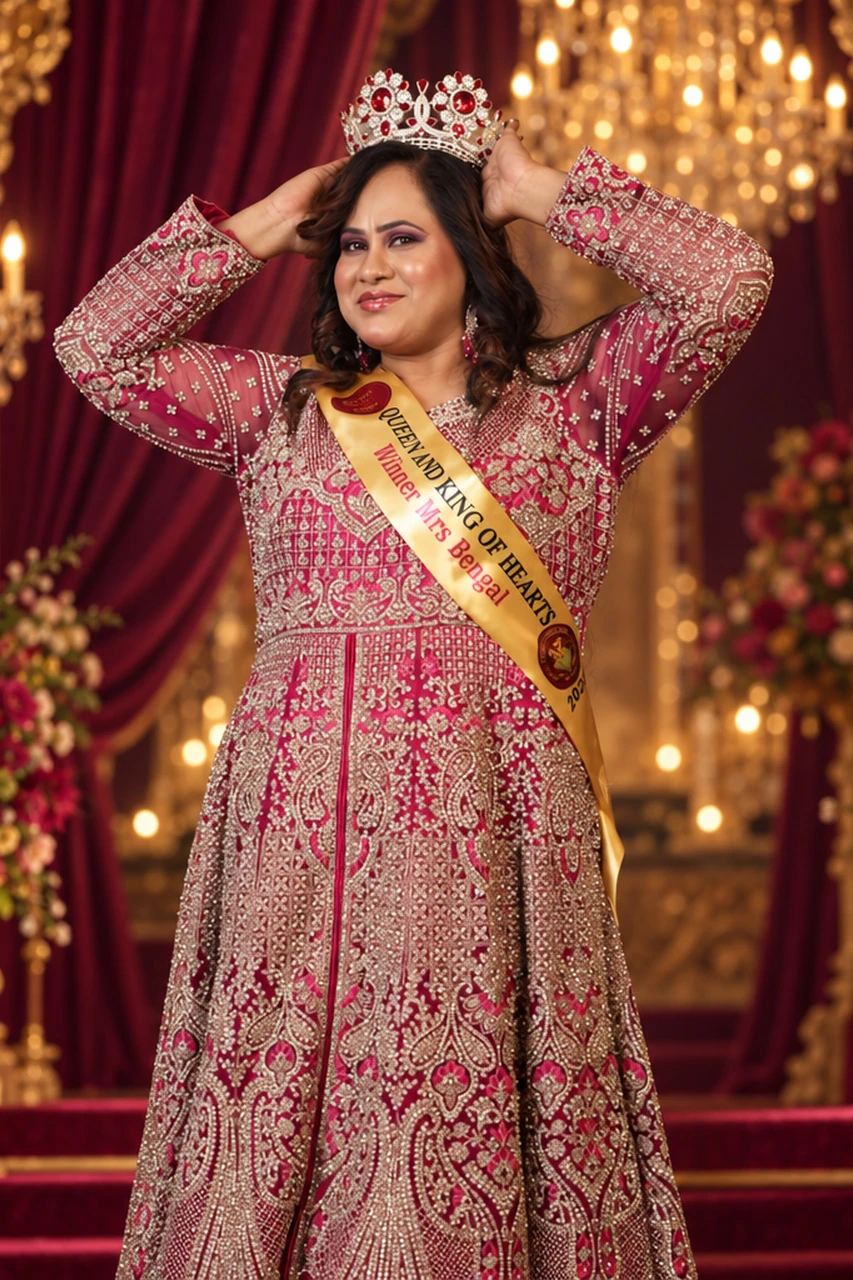
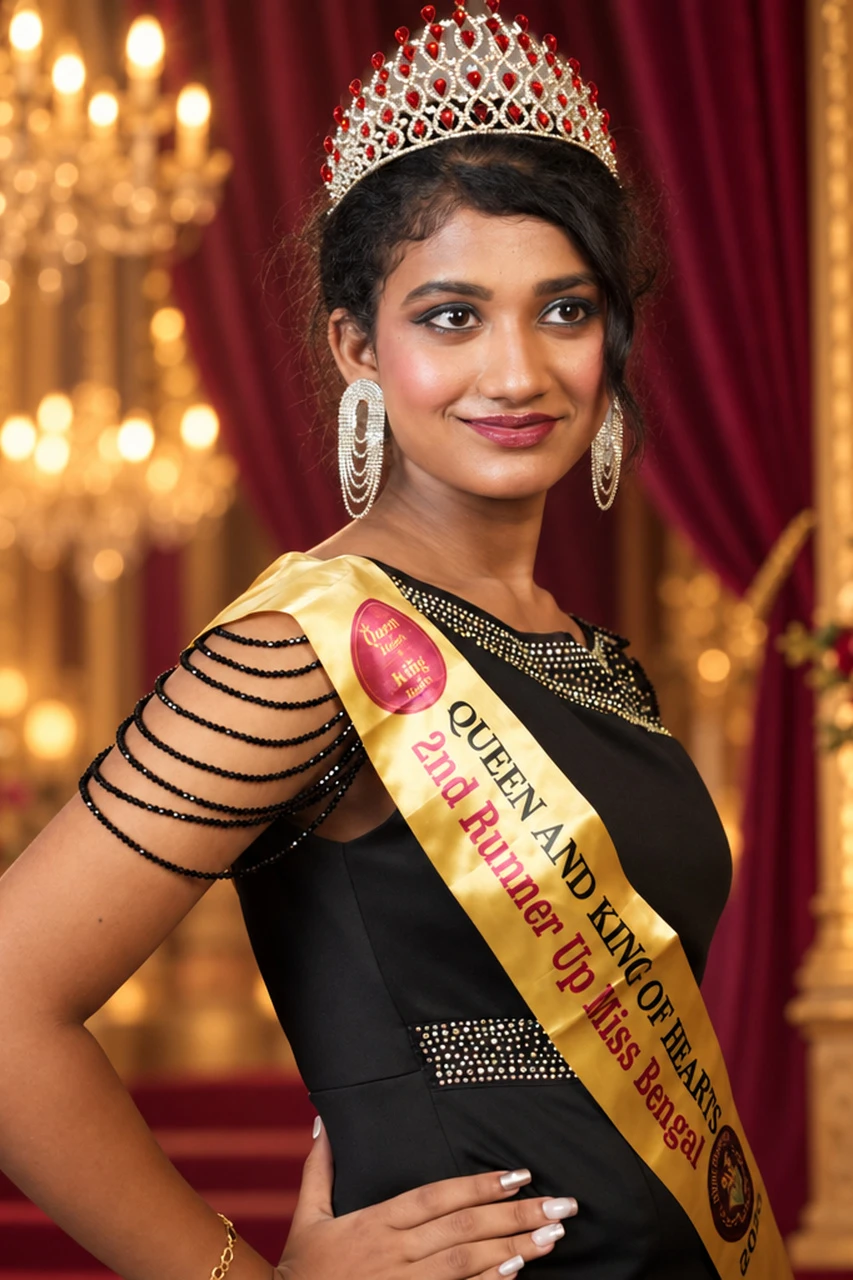
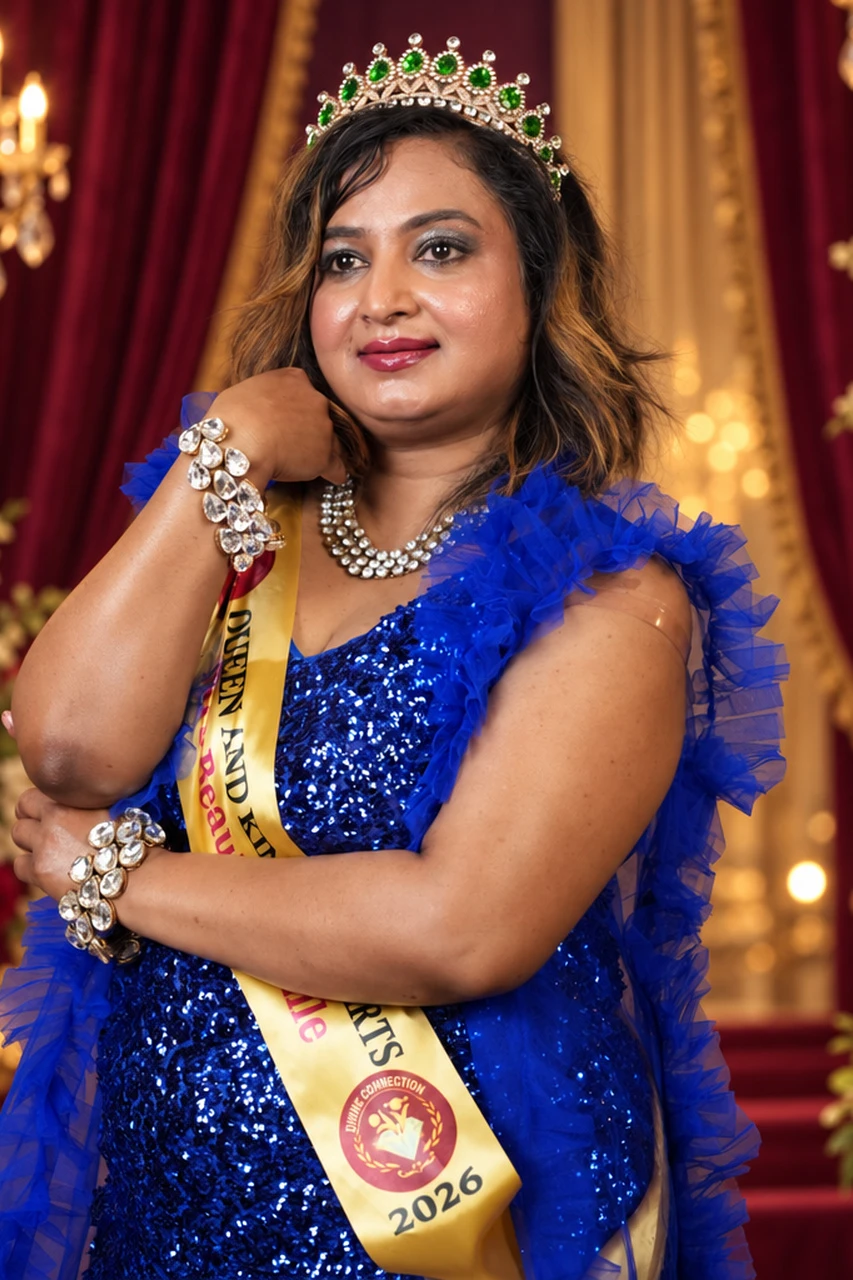
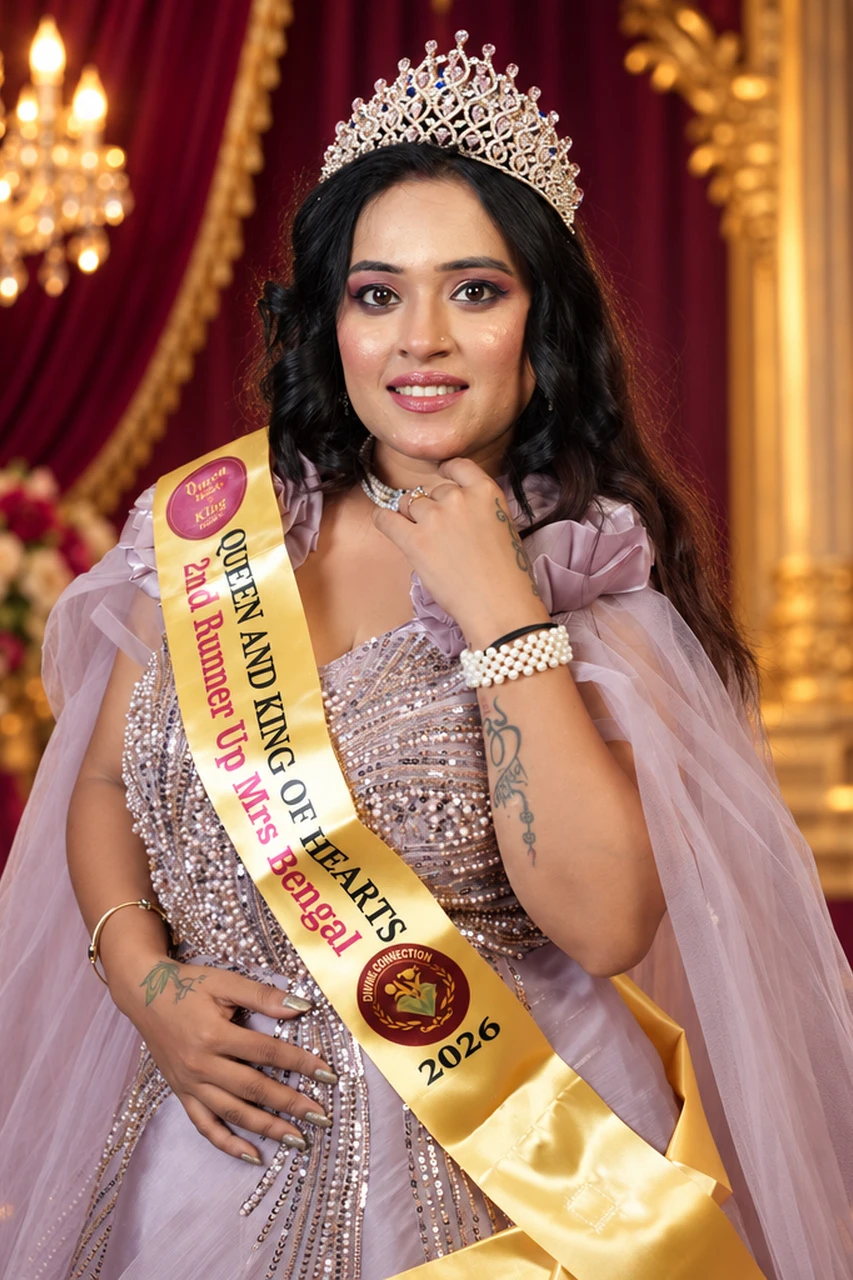
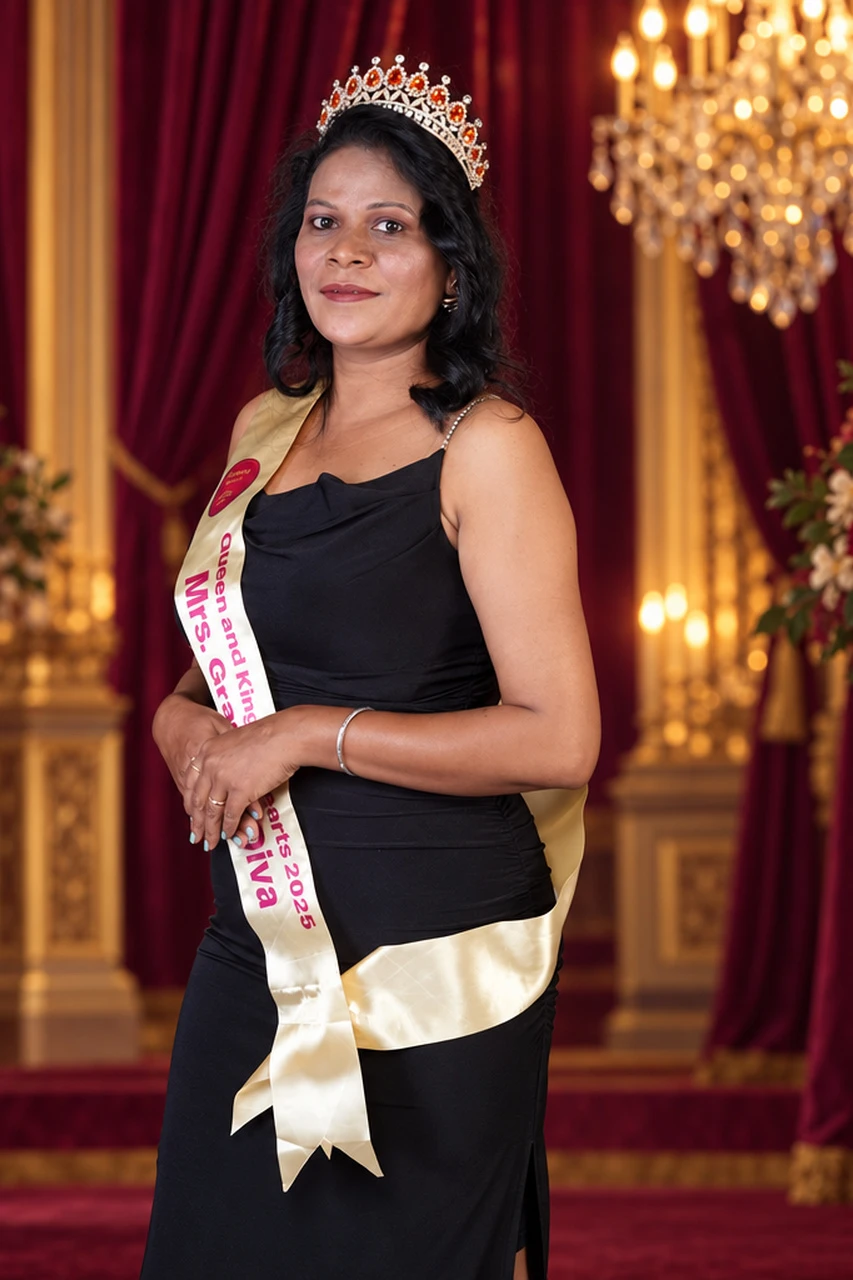
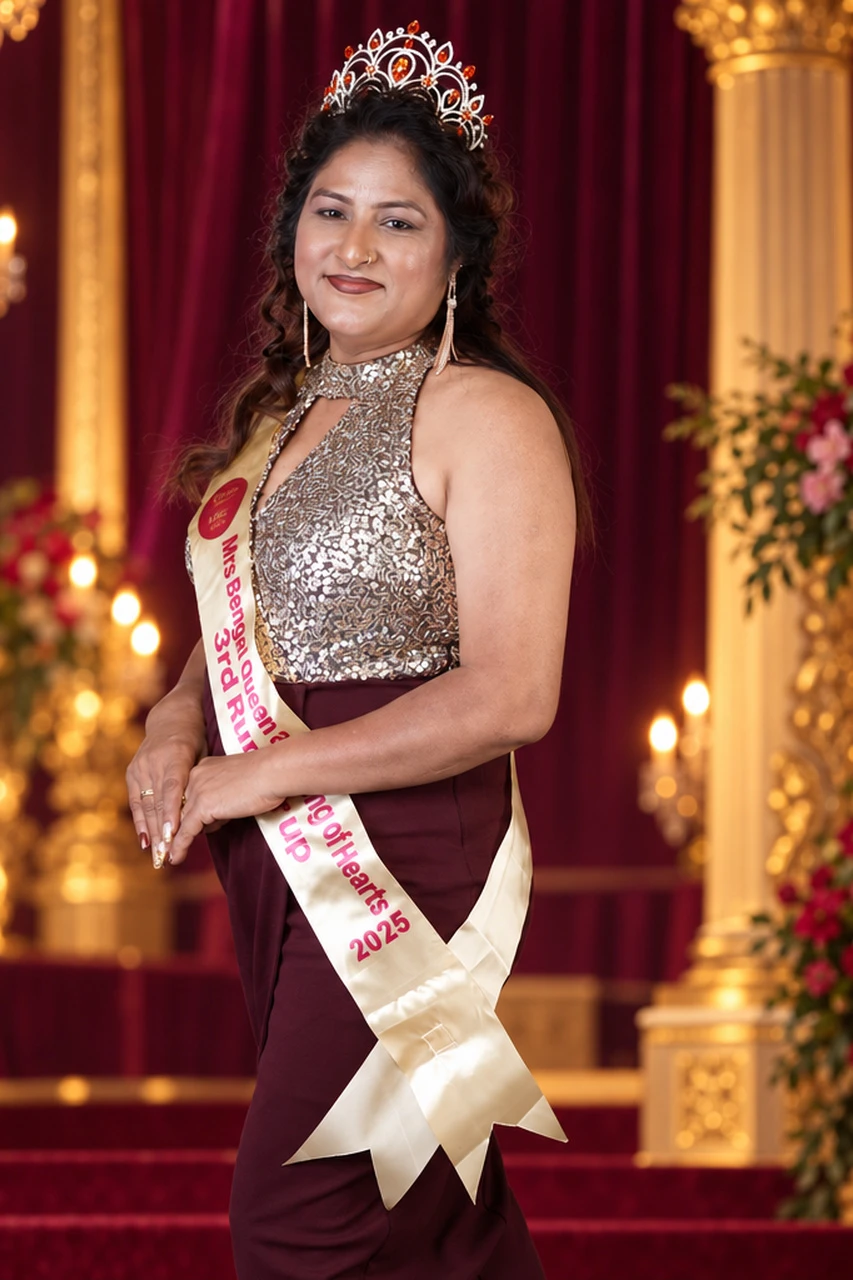
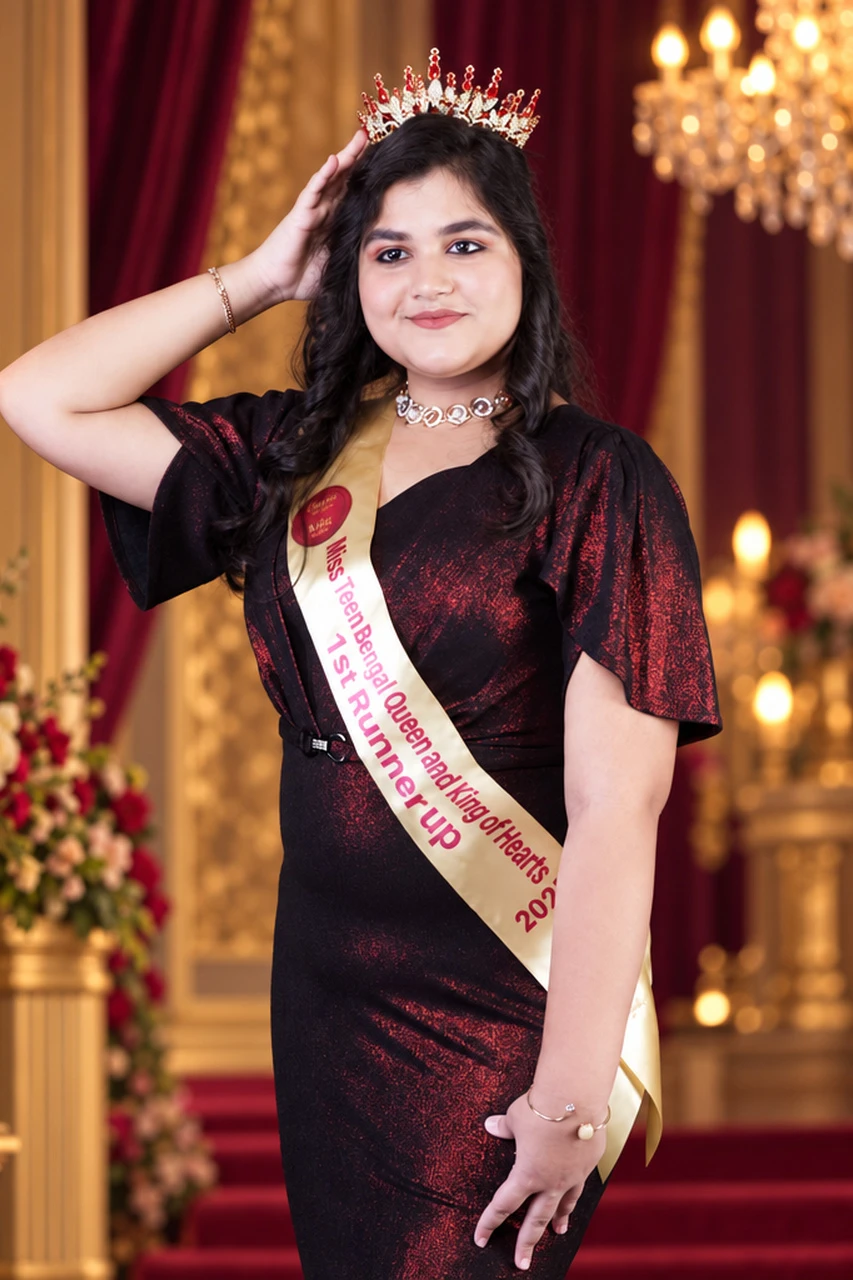
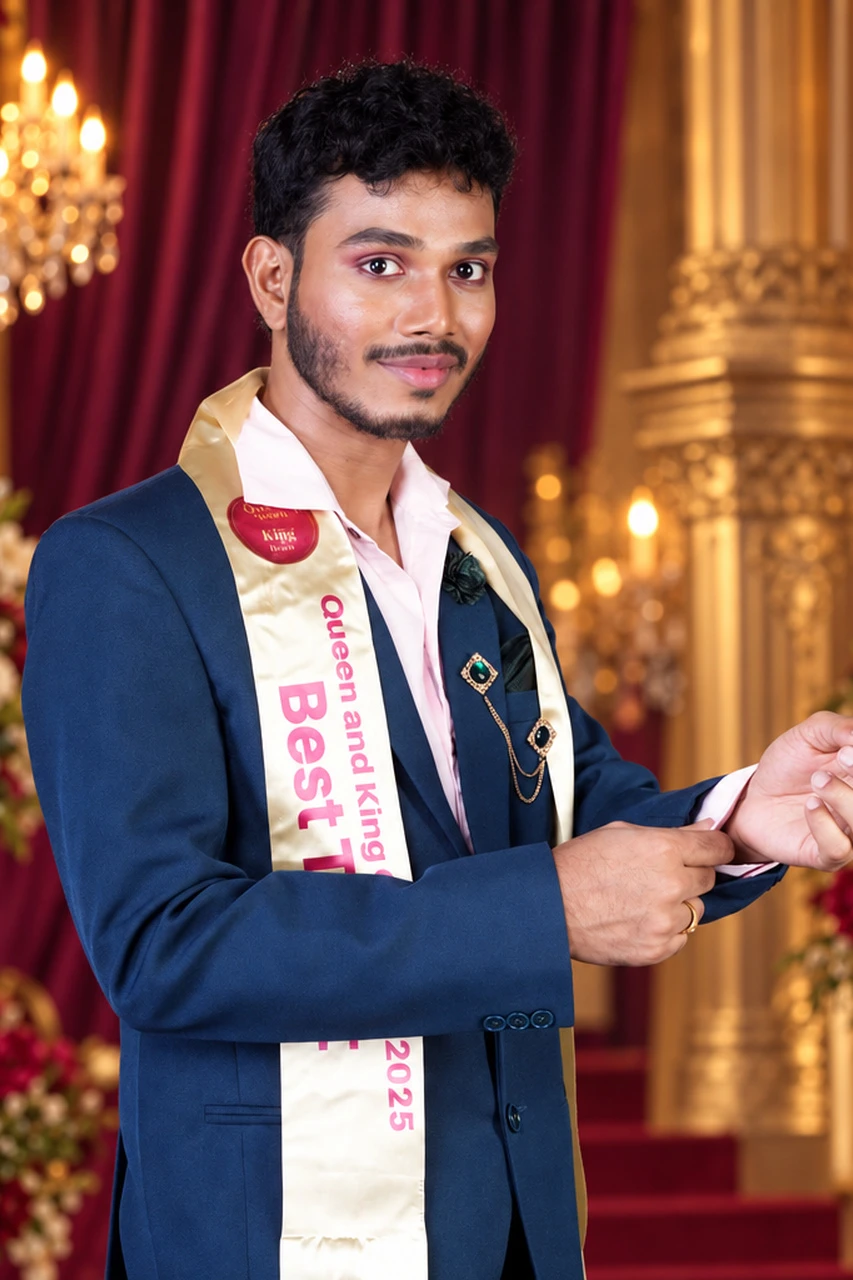
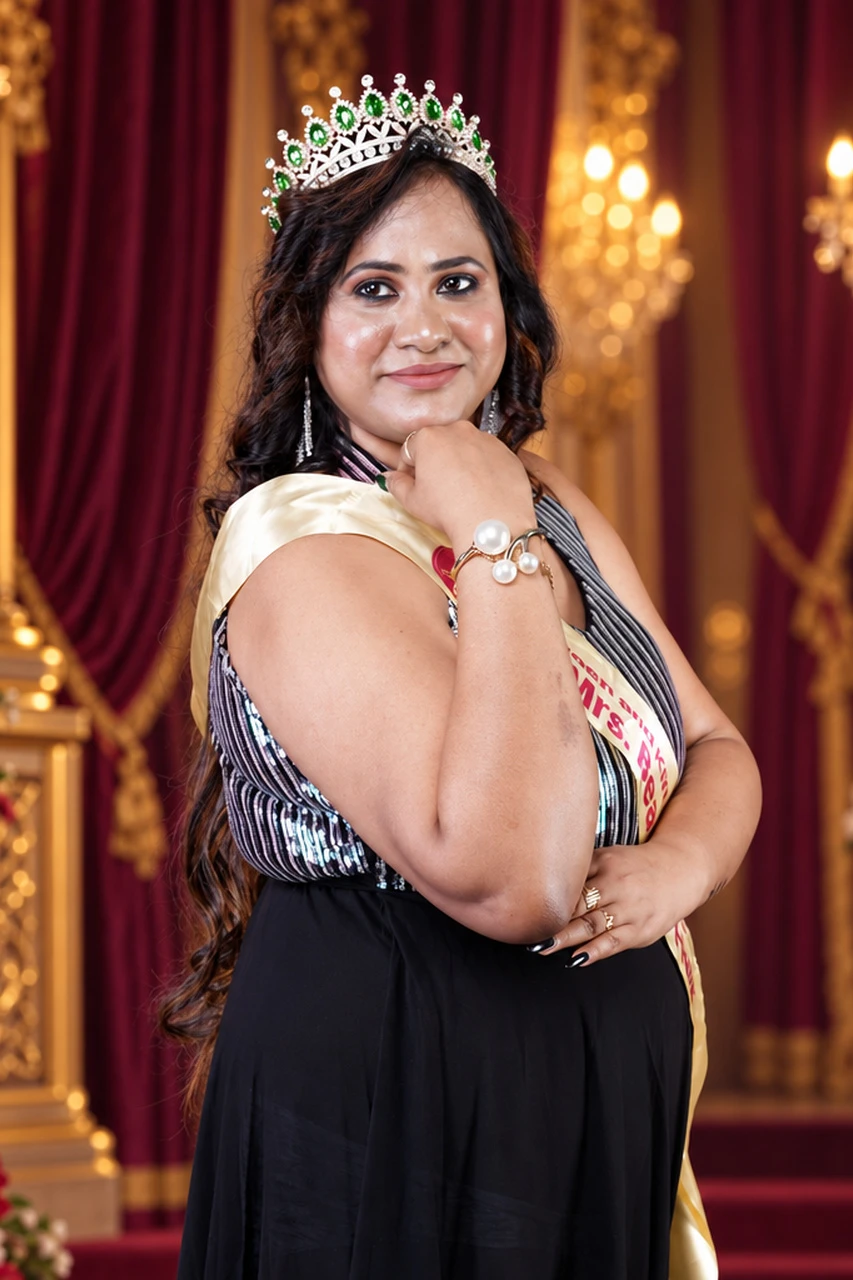
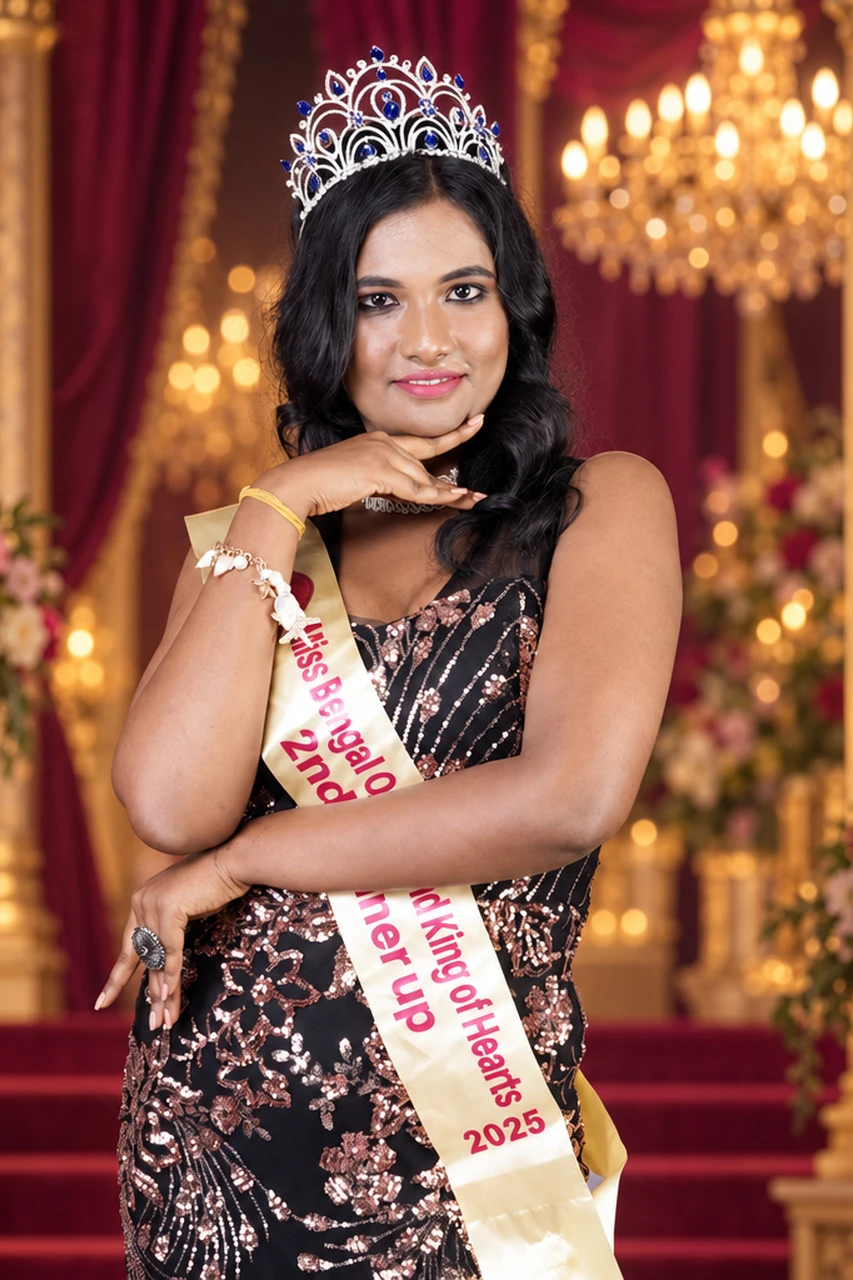
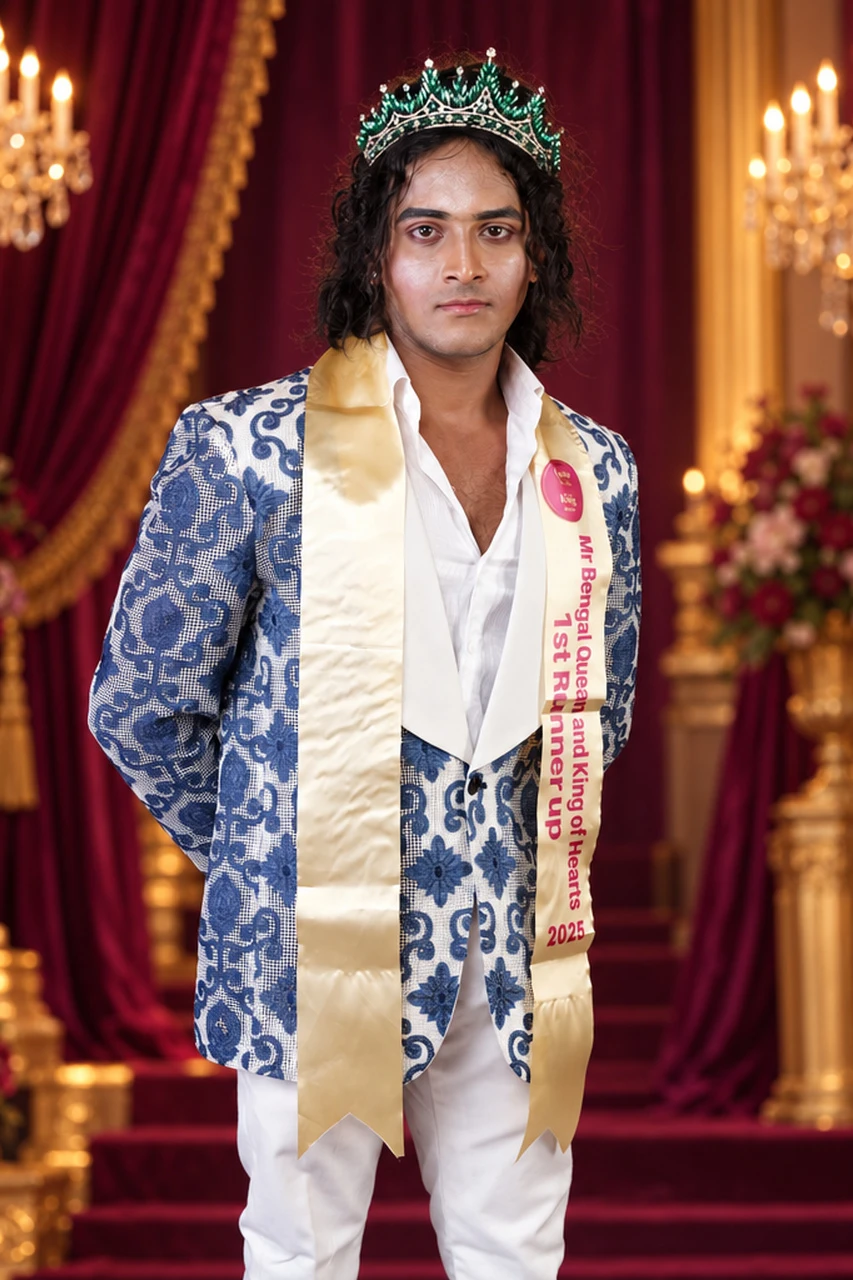
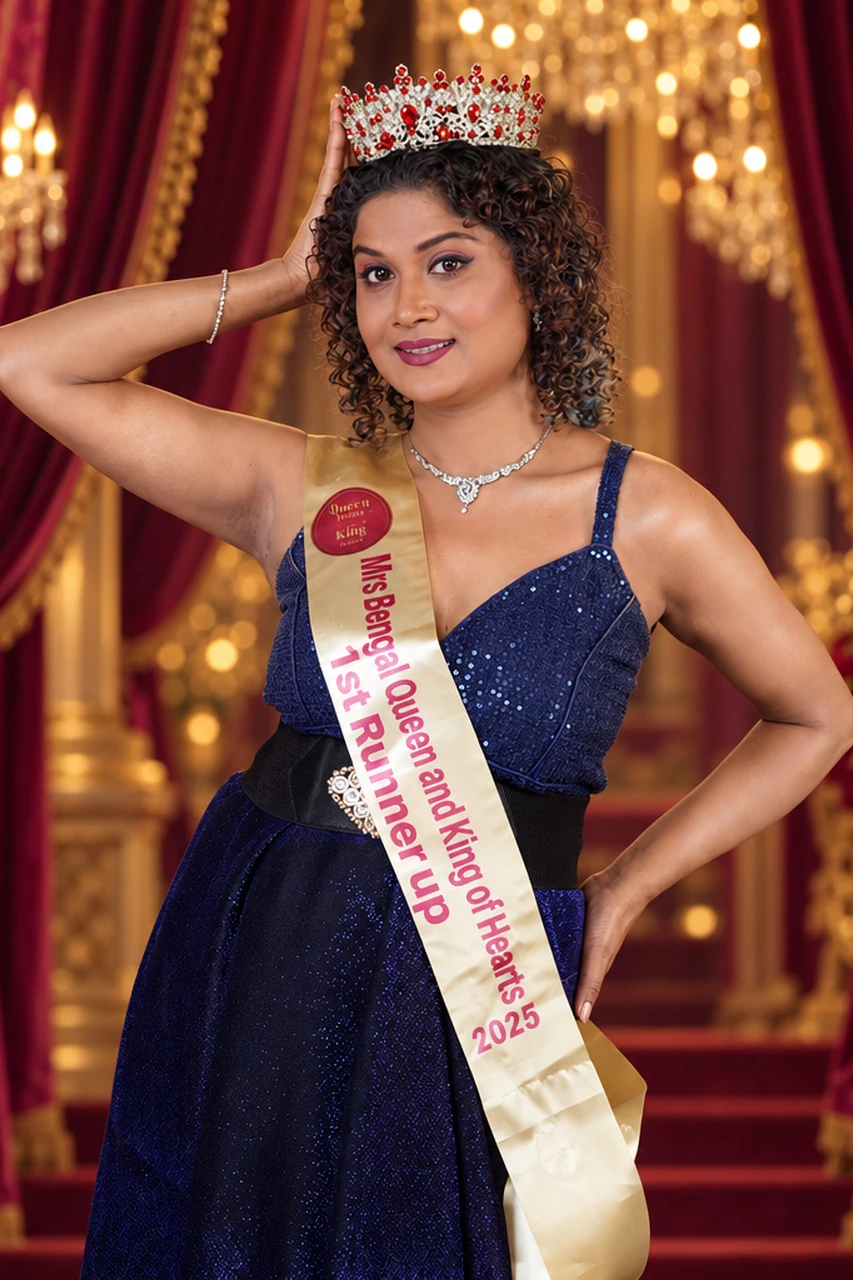
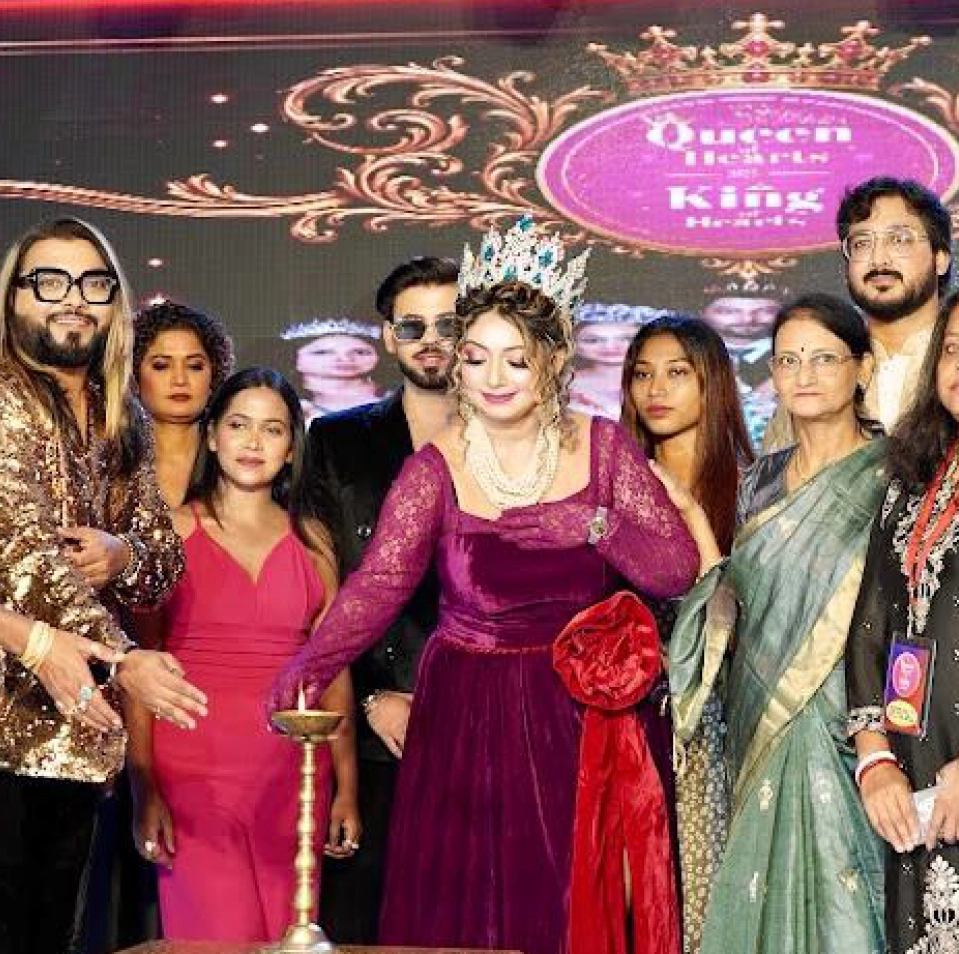
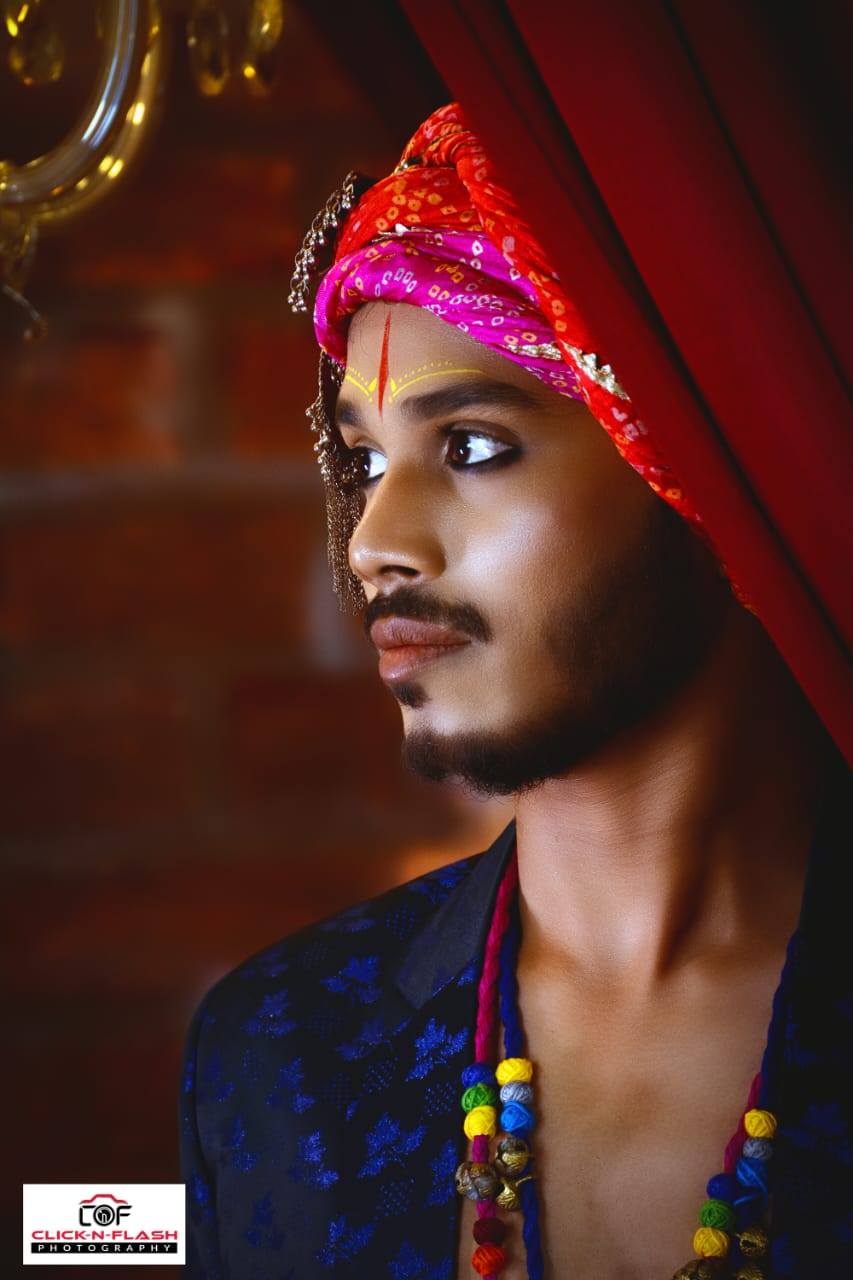
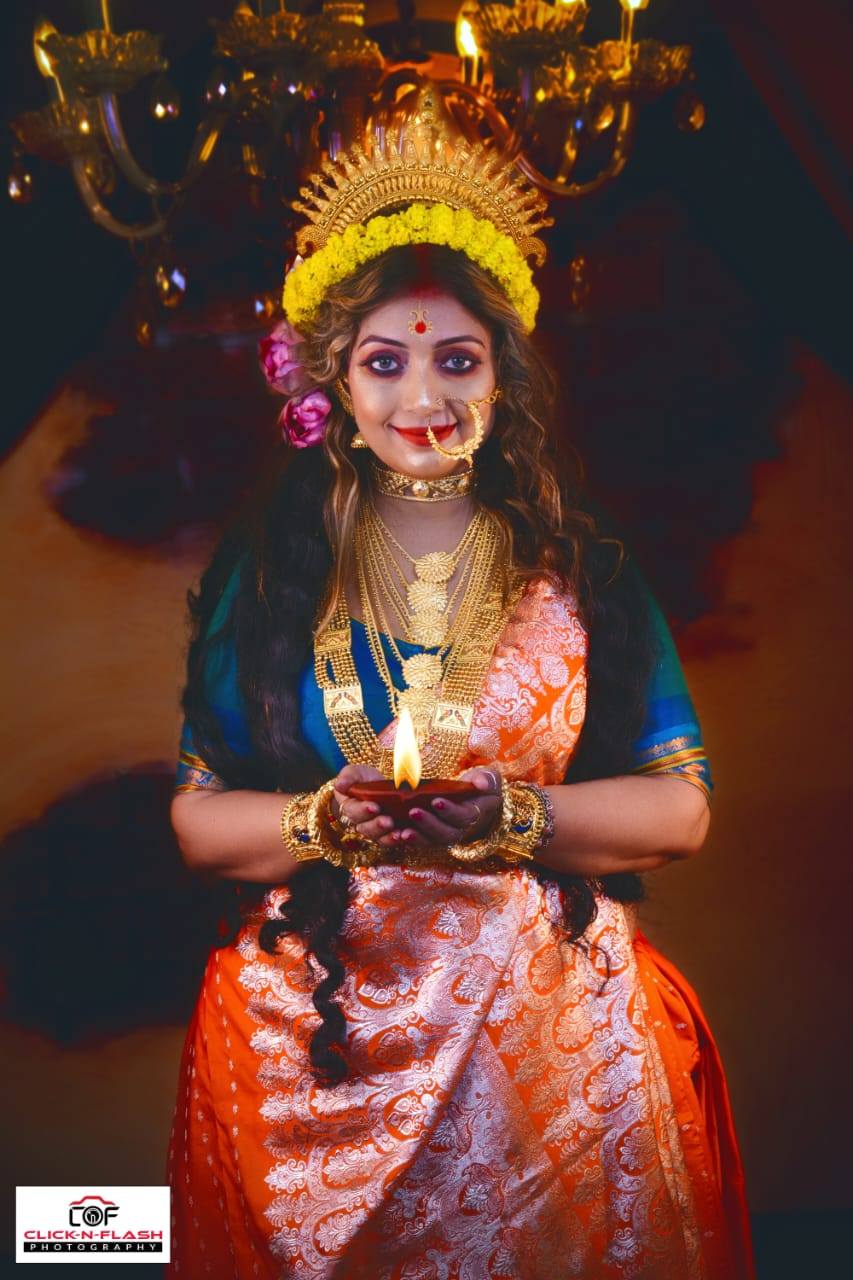
Beauty pageant winners of the Queen and King of Hearts pageant standing crowned on stage in Kolkata, India, holding trophies after the finale
Our Winners

Queen and King of Hearts Beauty Pageant Winners: Every Crown, Every Story

A room goes quiet, the music drops, and a name nobody in the crowd has heard before walks out with a sash across the chest. That moment is the reason the pageant exists and the reason its winners keep winning long after the lights come back up. Founded and directed by Dr. Pamela Pal Das and organized by the Queen and King of Hearts Beauty Pageant. It runs from Kolkata and welcomes contestants from across India and beyond.

This page is a complete record and a practical guide in one place. You will find who the beauty pageant winners are, how the judges actually choose them, what each division costs, what happens in the twelve months after the crown, and how a teenager from a small town or a married woman returning to work ends up with a portfolio, a mentor, and a reason to keep going. If you are weighing whether this pageant deserves your registration fee, read to the end before you fill out a single form.

Meet the Winners of the Queen and King of Hearts Pageant.

Beauty pageant winners are not a single group. This platform runs four distinct divisions, and each one crowns a different kind of person. The Miss division is open to unmarried women, the Mrs. division to married women, and the Mr. division to men, and there are separate Teen and Kids categories that give younger contestants an age-appropriate stage instead of pushing them into adult competitions.

Miss and Mrs. Winners compete on stage presence, communication, personal style, and the clarity of their answer to a final-round question. These contestants are often professionals, students, and homemakers who have spent years watching pageants from the audience and finally decided to step onto it.

Mr. and Mrs. King winners are judged with equal weight on posture, styling, personality, and public speaking. The platform's stated position is that confidence, kindness, and the ability to inspire others matter more than measurement, and the Mr. division rewards presentation over physical stereotype.

Teen winners compete in a dedicated age bracket with a separate judging panel, keeping the competition fair and psychologically safe for school and college students who are still finding their voice.

Kids winners take part in a non-press, developmental format focused on stage comfort, communication, and poise rather than crown-hunting.

Across every division the pattern is consistent: contestants who arrive nervous, train hard for weeks, and leave with a crown, a portfolio, and a circle of people who keep mentoring them.

How the Judges Actually Choose a Beauty Pageant Winner

Anyone who has sat on a pageant jury will tell you the same thing: the scoreboard rarely matches the audience's favorite. Here is how selection actually works here.

Stage presence and ramp walk are the first score blocks. Judges watch how a contestant enters, holds posture through a turn, and holds eye contact with a panel while walking in heels or formal shoes. This is trainable, and the platform's ramp walk coaching is built specifically around it.

Personality development and communication forms the second block. A contestant who can speak for two minutes without filler words scores higher than one who reads memorized lines. Interview preparation sessions push contestants to answer unexpected questions on the live stage.

Style, grooming, and camera readiness are the third block. Stylists work with each contestant so that makeup, hair, and outfit suit the contestant's features rather than a fixed template. Photographers then shoot a portfolio, because a pageant winner who cannot perform for a camera rarely lasts in the industry.

The purpose and impact round is the fourth. This is where the platform's philosophy shows up in scoring. Contestants are asked about community work, charity involvement, and what they intend to do after winning. Answers that name a real project score far above answers that name a general intention.

Scores are pooled across judges, normalized, and published by division. Special awards such as Best Interview, Best Ramp Walk, and Beauty with Brains run alongside the main crowns, which is how one evening hands out a dozen titles.

What the Crown Opens: Careers, Campaigns, and Campus Doors

Ask any winner what changed after the pageant, and you will hear the same answer: not the crown, the access. Winners of the Queen and King of Hearts platform collect things that money cannot buy on its own, and most of them arrive at the finale already holding half of them.

The first is a professional portfolio. Shoot days run during the grooming phase, and the images leave the event usable for casting and agency submissions. A contestant who walked in with no photographs leaves with a set shot by someone who works with professional talent.

The second is media exposure. Regional press covers the finale, and the footage circulates well past the event date. Several winners say the video of their final walk is the single most-viewed item on their phone, which matters when a casting director is scrolling through your profile at midnight.

The third is industry relationships that take years to build otherwise. Mentors in the grooming program introduce winners to designers, photographers, and event producers who are actively hiring. In a city like Kolkata, where most of the commercial modelling work runs through a tight network, that introduction is the difference between an unpaid test shoot and a paid campaign.

The fourth is international gateway opportunities. The platform states that winners receive access to pageants, fashion shows, and modeling work outside India through its international partnerships. Wording matters here, and the honest version is this: the gateway is an introduction, not a guarantee. Winners who arrive with training, language confidence, and a working portfolio are the ones who convert it into actual international bookings.

The fifth is vocational credibility. A title from a running pageant with named judges, documented results, and a working contact number is a real line on a CV, and event organizers book on it. That matters enormously for a Mrs. Division winner returning to the workforce.

Kolkata to the Nation: Who Can Compete and From Where

The Queen and King of Hearts beauty pageant is headquartered at 6/2, Jessore Road, Kolkata, West Bengal 700028, and its phone line reaches contestants at +91 70449 67585. Yet the contestant base is far wider than the city. Entrants arrive from across West Bengal, most of eastern India, and a steady stream from other states chasing a national-level stage.

West Bengal and Kolkata entrants get the practical advantage of proximity. They can attend in-person grooming and rehearsal, walk into the Jessore Road office when something is unclear, and meet other contestants in the same room. For a first-time pageant participant, being in the same city as the organizers removes an enormous amount of anxiety.

Contestants from other states are handled through a registration pack, scheduled grooming sessions, and a final travel window into Kolkata. Because the platform runs multiple divisions, a participant can often compete in an age-appropriate category without pretending to be younger than they are.

International interest shows up mainly in the Miss, Mrs., and Mr. divisions through the Siam Foundation Peace Ambassador role held by Dr. Das and the platform's stated international collaborations. Interested contestants from abroad can raise questions on the same contact channels.

One practical caution for anyone travelling in: keep your booking flexible until the schedule is confirmed by phone, because pageant dates in India shift more often than organisers admit. Do not confirm on a social media repost.

Registration Fees, Training Costs, and What You Actually Pay For

Cost is the question that stops more aspiring contestants than any other, and vague answers are what feed the rumor mills. Here is the shape of the financial commitment at the Queen and King of Hearts pageant.

Registration fee: every division carries an entry fee, and the amount differs by category and by year. Because fees change between editions, treat the current figure published on the registration page as the only number that counts, and ask for it in writing before you pay anyone.

Grooming package: the platform's core value sits in its comprehensive grooming and development experience, covering ramp walk training, stage presence, communication skills, styling, and interview preparation. Contestants who buy the full package pay for a structured program rather than a single rehearsal.

Makeover session: the site makes a point of noting that contestants undergo a complete image makeover. This covers salon work, makeup, and hair, usually bundled into the grooming package or offered as a separate line item.

Travel, stay, and food: these sit outside the registration fee and are the contestant's own responsibility. Outstation contestants routinely budget more for the pageant week than for the entry itself, which is why the dates must be confirmed early.

Portfolio: Portfolio shoot days are generally part of the prepared contestant experience, but a contestant who wants additional edited images for agency submissions should budget for a separate paid session afterwards.

What you get for the money, stated plainly: coaching in the four scoring categories that decide your division, a professional makeover, portfolio images, stage exposure, a title or a placing, and a network of mentors. What you do not get is a guaranteed career. Anyone promising a career on stage is selling something that does not exist.

What Judges Look For That Nobody Warns You About

Contestants arrive focused on what the judges will see. Experienced jurors spend their evening watching what the contestant does between categories, and these are the details that decide close calls.

Energy consistency matters more than peak energy. A contestant who is electric for ninety seconds and flat for the rest loses to one who is present all evening, and the panel remembers the flatness far longer than the ninety seconds.

Listening during the interview shows on stage. Filler words rise when a contestant is not actually hearing the question, and a panel notices within one sentence.

How you treat the backstage area is visible to staff and volunteers, and that word travels. Politeness to other contestants, patience with the running order, and gratitude to the stylist who fixed your hem are all noticed.

How you handle a mistake separates finalists from the rest. A tripped mic, a forgotten line or a hair that fell mid-presentation is recoverable if you smile and continue.

Authenticity under pressure is the hardest thing to coach and the most heavily weighted. The platform's own philosophy, that true beauty radiates through confidence, kindness and the ability to inspire others, is effectively a description of what the panel is scoring.

Contestants who train with these five points in mind usually move up a placing or two. None of them require a new face, a new body, or a new budget.

From Contender to Career: What Winners Do Next

The months after a pageant decide more than the night itself. Winners who treat the finale as a beginning do considerably better than winners who treat it as an ending, and the pattern is easy to spot.

Portfolio distribution comes first. A title holder with images sitting only on a phone is wasting the asset. Images go to agencies, casting directors, photographers and brands directly, with a short professional note attached.

Social media discipline comes second. A contestant who posts constantly and says little gets followed and ignored. A contestant who posts consistently with a point of view gets a profile that people remember.

Skill building comes third. Dance, photography, styling or a language course between editions gives a winner something new to show a new judge. The strongest career stories in Indian pageantry all share this pattern: the crown opened the door, and the work started on the other side.

Mentorship and teaching comes fourth. Several former contestants now assist in the grooming programme, which is the most reliable route back into the industry. A pageant alum who coaches ramp walk walks into every room with an introduction already made.

Brand ambassador work comes fifth, and it is more common in regional and local markets than people expect. A crowned winner from Kolkata with a real local following is often a better commercial bet for a brand than an expensive national face nobody recognises.

Winners who follow this sequence usually hold, within two years, a professional title, a working relationship in their field, and the ability to walk into a room without an introduction. That is the real return on a pageant entry fee.

Queen and King of Hearts Against the Rest of Indian Pageantry

Kolkata already has several established pageants, and a first-time contestant will be asked why this one. An honest comparison beats a sales pitch.

Against national franchise pageants, the Queen and King of Hearts platform offers something a large franchise cannot: a smaller judging panel that knows every contestant's name, and divisions broad enough that a nineteen-year-old student and a thirty-eight-year-old entrepreneur compete in their own bracket rather than against each other.

Against local Kolkata pageants, the difference shows in grooming depth. Most local shows give you a stage and a sash. A platform with a structured grooming programme covering ramp walk, camera readiness, interview preparation and styling gives you the preparation to compete again next year, in Kolkata or anywhere else.

Against international pageants, entry and travel cost put most Indian contestants out of reach without sponsorship. This pageant operates as an accessible first stage, and its stated international partnerships exist so that a strong local winner has somewhere to go next.

The honest weakness worth naming: a newer platform has a shorter public record than a franchise with twenty years of televised history. That is a real factor for contestants who care about brand recognition, and not at all a factor for contestants who care about preparation, personal attention and a genuine shot at a title.

Organised by The Bengal Tigers Entertainment & Media Pvt. Ltd. and directed by Dr. Pamela Pal Das, whose own crowns include Mrs. India Face of East, Mrs. Elite India and Mrs. World United Nations, the pageant is backed by a director who has lived the industry she runs. For a contestant weighing options, that personal track record is worth more than a logo.

Common Mistakes First-Time Contestants Make

Most regret stories from pageant newcomers come from avoidable errors, and they cluster into a handful of patterns that training exists specifically to prevent.

Registering too late. Divisions fill in sequence, and the popular age brackets close earliest. A contestant who decides in the final month often finds only the least competitive division available, then blames the pageant for a disappointing result.

Arriving without a schedule. Travel booked before confirmed dates is the single most common source of stress. Confirm the schedule by phone, then book, in that order.

Changing weight or styling drastically in the final fortnight. Contestants who attempt a transformation they have never maintained before meet the judges as someone unfamiliar in their own body. Grooming should reveal, not replace.

Treating other contestants as rivals. The competition happens on stage. Everywhere else, the person standing next to you in the queue is your strongest future network, and most professional alliances in Indian pageantry formed between contestants rather than with judges.

Ignoring the interview round. It is the shortest segment and the one most likely to be remembered. Rehearsed answers that sound rehearsed score badly; honest short answers score well.

Skipping the post-pageant work. Winners who stop the morning after the finale are the ones still waiting for a career in three years. Winners who send their portfolio out within a month are the ones working. The title does the opening; the following month decides whether anything ever comes of it.

None of these mistakes require money to fix, and that is the encouraging part of the list. They require attention, and attention is exactly what the grooming programme is built to supply.

Why This Pageant Keeps Existing in a Crowded Market

India has more pageants than any other large market on earth, and most of them are honest about why: a title attracts contestants, sponsors and press, and the economics work at almost any scale. Surviving in that environment for more than one edition says something about an organiser.

The Queen and King of Hearts pageant was built on a stated refusal to treat beauty as the only criterion. The founders describe the platform as a blend of glamour, purpose and compassion, and the four-block scoring system, performance, communication, styling and impact, is the mechanism that turns that statement into something a judge can actually apply. An organiser who scores purpose deserves credit for the attempt, because almost nobody else bothers.

The title itself carries history. Queen of Hearts and King of Hearts 2.0 was positioned as a deliberate second edition, and the platform's outreach work through non-profit partnerships, environment, education, human rights and disaster relief, gives contestants a social platform to attach their name to rather than a title and nothing behind it.

Dr. Pamela Pal Das's role as a Peace Ambassador for the Siam Foundation in Thailand adds an international dimension that most competing events cannot borrow. Her public record of titles, and her use of them to mentor rather than to collect, is the reason the platform attracts serious contestants and not only aspirants.

So the reason to choose this pageant is not that it is the only one. It is that it is one of the few in India where grooming is the product, the crown is a by-product, and a contestant who loses still leaves with training she paid nothing extra for. If you are a beauty pageant winner at heart rather than a trophy collector, that is the page worth entering. Registration guidance for the 2026 edition of the Queen and King of Hearts beauty pageant runs through the official site, and speaking to a coordinator on the published number costs you nothing but ten minutes of your time.


Our Pride

Our Crowned Winners

Why Choose Us

What Makes Us Different

Prestigious Platform

Prestigious Platform

A nationally recognised beauty pageant offering authentic exposure and credibility.

Professional Grooming

Professional Grooming

Training by industry experts in ramp walk, communication, and confidence.

International Gateway

International gateway

Opportunity to represent India at international platforms.

Elder Care

Media Exposure

Photoshoots, interviews, and digital promotions to build your personal brand.

Registrations Open

Queen & King of Hearts
Beauty Pageant 2026

A premium platform for aspiring models and performers. Discover grooming, runway excellence, and global exposure designed to transform confidence into presence.

Apply Now →
Latest Updates

Recent Blogs & Posts

Stay updated with the latest news, stories, and insights from our community.

Need Help?

Frequently Asked Questions

Get answers to your questions about our services & events. We're here to help!

Leave and report it. Nobody has to explain a discomfort in order to act on it, and you never owe a pageant an explanation for protecting yourself. Keep a named contact outside the event who knows where you are and when you expect to leave, and keep your phone charged. If you are a minor in the Teen or Kids division, that applies doubly: have a parent or guardian present and informed of the schedule, and do not accept a chaperone assigned to another contestant as a substitute. Safety is not negotiable, and no title, sponsorship, or fee refund is worth absorbing something that was wrong. If a contestant or organizer is causing distress, the event organizers and the local police are both appropriate channels, and raising it afterwards gives them the chance to act on a pattern rather than a single incident nobody knew about. Report it the same night rather than the following week, because accounts given while the event is still fresh are the ones an organizer can act on.

Results are announced on finale night within each division, with the main crowns followed by the special awards. Winners are typically photographed, recorded, and listed on the organizers' official pages and social channels after the event, which is precisely why a winners page matters to past contestants: it is the public record that carries a title forward when someone asks who you are. If your concern is verifiability, ask before the finale whether results appear on the official site, whether photographs and a list are published, and in what timeframe. Ask also what happens to the recordings of your final walk, since that footage is often the most-viewed asset a contestant owns afterwards. A pageant that publishes nothing after its gala may be a pleasant evening but a weak long-term platform, and you have a right to know which one you are signing up for. For winners specifically, ask whether you receive the raw finale footage and your individual photographs without having to request them separately, because organizers who publish results but withhold assets usually mean the assets, not the news.

Support varies by organizer, and it is worth establishing precisely what exists rather than assuming the pageant ends at the crowning. This platform's stated model centers on grooming, development, and empowerment, with alumni involvement in the program described as part of how former contestants stay connected, and the Miss and Mrs divisions in particular see former winners move into coaching, styling, and event work. But the terms of any formal mentorship, alumni network, or placement assistance are not published in a way you can verify remotely, so ask directly. Get clear on whether ongoing mentoring is included, whether it has a fixed duration, and whether it applies to every winner or only to placed contestants. The alumni network is real and active regardless of what the organizer calls it. The people who matter six months later are the contestants you were coached alongside and the mentors who worked with you directly.

This is the question that protects your money and the one most entrants forget to ask. Postponement happens for reasons beyond any organizer's control, including venue unavailability, weather, and government directions during public events. Your refund and rescheduling terms should be established in writing at registration, before any payment, not negotiated afterwards. Ask specifically whether your fee is refunded, carried forward to a rescheduled date, or transferred to a future edition, and how long you have to use a credit. If the answer is that no refund is offered, treat that as information rather than a negotiation, and decide whether you would still enter on those terms before you pay rather than after you have committed emotionally to the season. Keep the confirmation email and every payment record, because a refund conversation without documentation becomes an argument about memory rather than about terms. If a postponement runs beyond the contractual window, ask whether your credit expires, and put the expiry in writing. Contestants who ask these questions early are treated as serious, and contestants who discover them during a crisis are treated as a problem.

Start with the organizer's public record, which is unusually easy to check here. Dr. Pamela Pal Das holds documented crowns, including Mrs. India Face of East, Mrs. Elite India, and Mrs. World United Nations, and The Bengal Tigers Entertainment & Media Pvt. Ltd. is a named corporate organizer rather than an anonymous promoter, which means a company registration can be looked up before you transfer anything. Call the number published on the site and ask for the exact fee, the divisions open, the confirmed dates, and the venue. Visit the Jessore Road address if you can, and confirm previous editions through press coverage rather than organizer-supplied photographs alone. Ask to speak with a coordinator who has worked with the current season, and ask how many seasons have run and how many contestants competed last time. A legitimate pageant answers all of this without irritation. An illegitimate one changes the subject to deposits and urgency.

They solve different problems, and the honest comparison is between a title with a platform behind it and a skill you own permanently. A pageant gives you a stage, a recorded performance, press coverage, a portfolio, and access to a specific network for roughly one season. A modelling course teaches camera technique, walking, posing, and industry expectations that stay with you for years regardless of who holds which crown. If you are undecided about pageantry as a whole and want a professional foundation, the course is the safer purchase. If you have already decided you want to compete and want the stage, coaching, and press, a pageant is the only thing that delivers those. If your real goal is a specific commercial or film opportunity, ask whether the organizer has documented links to that industry before spending money aimed at reaching it, and treat a vague assurance as a no.

Depth of preparation, in one line. Most local shows give you a stage, a sash, and a photograph; a platform built around a comprehensive grooming and development program gives you ramp walk training, camera readiness, interview preparation, styling, and portfolio direction over multiple weeks. It also runs four adult-adjacent divisions plus two youth brackets, which is wider than most single-city events manage, and it scores contestants on a purpose and impact round rather than appearance alone. The organizers credit the approach to Dr. Pamela Pal Das, whose own titles include Mrs. India Face of East, Mrs. Elite India, and Mrs. World United Nations, and who uses that standing to mentor rather than to collect crowns. Where it is weaker is public record: a newer platform has a shorter track history than a long-running franchise, and that is a fair concern for contestants who care about brand recognition. It is not a concern for contestants who care about being properly prepared.

National franchises offer something a regional platform structurally cannot: scale, recognized brand names, a longer public history, and often television coverage. If your goal is instant national visibility and you have the budget, that is a reasonable choice. What the Queen and King of Hearts platform offers in return is a smaller judging panel that knows every contestant's name and divisions broad enough that you compete in your own bracket instead of against contestants a decade older or younger. The grooming is structured and multi-session rather than one afternoon of rehearsal, which matters enormously for a contestant with no prior stage experience. Ask how many seasons have run and how many contestants were in each, since franchise and regional events describe themselves in nearly identical language, and only those two numbers reliably separate one from the other. The one number worth asking both parties for is how many contestants each event placed last season. A franchise with two hundred entries and a regional event with forty are not competing on the same axis, and contestants who are told a title is equivalent across both are being handed a sales line rather than a fact.

They usually still leave with something, which is the argument this platform makes most often and the one that should be tested rather than assumed. Registered contestants go through the full grooming program regardless of placing, so the training, the makeover, and the portfolio images are not conditional on winning. Many finishers are hired for event work, styling, choreography assistance, or future coaching roles, and those pathways matter more in Kolkata than the title does. The honest test is whether the grooming package was worth its fee even if you had scored zero on finale night. If the answer is yes, the entry made sense. If the answer is no, then the fee was really a bet on the crown, and you should have chosen an organizer with a clearer training record. Ask for specifics about post-event work before you register rather than after you are disappointed. The follow-up question worth asking is whether finishing counts is credited on the organizers' own public material, because a pageant that lists only crowns quietly denies finishing contestants the one asset a title is supposed to provide.

Yes, the Miss, Mrs, and Mr divisions attract international interest, and the organizer's Peace Ambassador role with the Siam Foundation in Thailand gives the platform a cross-border dimension most competing events cannot borrow. Interested contestants can raise questions through the same published contact channels and should expect to be asked about travel timing, visa feasibility, and whether their division accepts remote grooming. The realistic version of an international entry is not a cheap weekend trip: flights, visas, stays, and transport add up quickly, and grooming normally means being in Kolkata for two to three weeks rather than one night. Candidates who already hold visa clearance and can stay locally compete at a real advantage, so ask whether remote rehearsal is permitted on any day before committing to flights. Also confirm which currency and payment method are accepted from abroad and whether registration requires a visa invitation letter, since neither detail is usually published and both are decided long before the finale itself.

Yes, and the contestant base runs well past the city: Kolkata, most of West Bengal, a steady flow from other eastern states, and a smaller number from further afield. Proximity is the real advantage, because it lets you attend grooming live, walk into the Jessore Road office when something is unclear, and meet other contestants in the same room. Outstation contestants are usually handled through a registration pack, scheduled sessions, and a travel window into Kolkata. The sequence that works is confirm dates by phone, register, receive the stage calendar, book flexible travel, and arrive a day early. Arriving early is logistics, not optional advice. Confirm whether grooming attendance can be partly remote and whether missing one session affects your eligibility, because a no on either question can quietly end a registration you have already paid for. Outstation entrants who treat the arrival day as optional are the ones who miss the briefing and spend the finale guessing. Confirm in advance whether missing one session affects eligibility, because a no on that question can quietly end a registration you have already paid for.

The platform's structure keeps them in separate divisions by design, with Miss and Mrs for women and Mr for men, plus dedicated Teen and Kids brackets for younger age groups. This follows the standard Indian pageant format where national crowns such as Miss India and Mr. India sit in separate frameworks, and it keeps judging criteria meaningful rather than forcing candidates with entirely different presentation expectations into one score sheet. Men and women compete for separate special awards too, so a Best Ramp Walk honor in the Mr. division is judged against male contestants rather than against a mixed field. If you are looking for a genuinely mixed stage, that is a different format from this one, and you would need to ask directly whether such an event exists in Kolkata, because the answer for this platform is that it does not currently run one. If a mixed format matters to you personally, say so when you call, because an organizer who hears the request clearly may be able to point you at a genuine mixed-stage event rather than having you register for the wrong one.

Five, and the boundaries matter more than the titles suggest. Miss is for unmarried women, Mrs. for married women, and Mr. for men, and separate Teen and Kids categories exist for younger contestants so that a nineteen-year-old student and a thirty-eight-year-old entrepreneur never stand on the same stage. Each division carries its own registration fee, its own grooming track and, on finale night, its own judging panel and scoring sheet. Special awards such as Best Interview, Best Ramp Walk, and Beauty with Brains run alongside the main crowns, so one evening can distribute a dozen titles across several categories. The Teen and Kids brackets are developmental rather than crown-heavy, which is a deliberate choice: younger contestants get stage comfort and communication work instead of pressure they are not equipped to handle. When you register, be honest about which bracket you belong in, because competing in a division above your age group is the fastest way to waste your own preparation.

Online participation is not something most Indian pageants, including this one, offer as a standard route to a crowned title. Some events run a separate virtual division with its own rules and a smaller prize structure, and some accept a video audition for the portfolio stage without carrying through to a crown. The honest position is that if a crowned title in your division matters to you, you need to be in the room. If you cannot travel, ask specifically whether a virtual division exists, how its judging is conducted, and whether its winners are presented alongside the main divisions or separately and labelled as such. Establish whether a recorded performance counts toward any preliminary shortlist, because in some events it does. Do not assume a video entry and a main-stage crown carry equal weight, because in every industry they do not. Ask for the answer in writing, and check whether the recorded footage counts toward the result at all before you treat a virtual entry as a workable substitute.

Generally no, and the reason is practical rather than bureaucratic. A contestant competing in two divisions splits rehearsal time, misses sessions in one bracket while attending the other, and rarely reaches the individual coaching level in either. Organizers that permit multiple entries usually say so explicitly, and when they do, the contestant accepts a scheduling risk on finale day that they cannot control. Costume and styling budgets double too, and both entries are judged by panels that will have watched the other one work, which can color a placing more than most contestants expect. The safer path for a first-timer is to choose one division and go deep into it. If you are genuinely torn between the Mrs. division and a Teen category because of an age boundary, ask the organizers directly how they handle it and accept the answer in writing. Do not register twice as a hedge and hope one entry quietly disappears, because duplicate registrations create problems that affect both entries rather than one.

It is a long day, and you will be on your feet for most of it. Call times generally fall in the morning, well before the audience arrives, so plan for a full day rather than an evening. Backstage you will find a printed running order, stylist stations, a briefing on stage timings, and a clear rule about when each division reports. You complete your final makeup and hair touch-up, then wait for your category to be called. Between categories, contestants are usually held in a holding area rather than backstage with the running show, so expect to sit and listen to other divisions perform. When your name is announced, you walk, you do your segment, you handle the question, and you return to your seat. Bring comfortable shoes for the waiting hours, keep water with you, and eat properly in the morning. Most contestants describe the waiting as the hardest part of the day, not the walk itself.

Roughly six to ten weeks is the normal window, though it varies by division and by how late you register. Preparation usually begins with fundamentals, meaning posture, walk, and basic stage comfort, before moving into styling and camera work. Interview training runs in parallel and gets sharper closer to the event, because that is the stage where contestants can genuinely absorb feedback and stop sounding rehearsed. In the final two weeks, sessions concentrate on rehearsing the running order and handling the specific questions your division will face, so the last fortnight feels different from everything before it. Teen and kids participants get a compressed version of the same timeline with shorter sessions. If you register only a few weeks before the finale, you will still receive access to the essentials, but the coaching will be less individualized, and that difference shows under stage pressure more than most people expect it to.

It runs in five stages. Registration comes first, where you submit your details and select your division. Orientation and grooming follow, spread across scheduled sessions covering ramp walk, stage presence, communication, styling, and interview preparation. A portfolio shoot happens during the preparation window, which means you leave with usable images rather than waiting for professional photos you have to pay for later. Rehearsal and the final briefing come next, where the running order gets fixed and stage timings are practiced with you. The finale closes the cycle, covering the main categories, special awards, and crowning. Between stages you will be asked for availability, travel details, and outfit measurements. Teen and Kids divisions follow the same sequence on a condensed schedule with age-appropriate content. Ask for the stage-by-stage calendar in writing at registration, because knowing the whole shape of the months ahead removes most of the anxiety that makes contestants drop out.

Earlier than most people assume. Divisions fill in sequence, and the popular age brackets, particularly Teen and Mrs, tend to close earliest because they carry the highest registration volumes. Registering early also changes the coaching you receive rather than merely guaranteeing a place: a contestant confirmed two months ahead gets individual feedback across multiple sessions, while one confirmed weeks before the finale receives the essentials with less room for adjustment. If you are still deciding, contact the organizers and ask how many places remain in your division and what the closing date is, then set yourself a personal deadline a week before that date. Decide early, register early, and you will spend your preparation weeks on stage presence rather than on forms and payment confirmations, which is where first-time contestants lose the most time they do not have. Registration for one edition does not carry a guarantee of a place in the next, so ask about the renewal process and its fee while you are still on the phone rather than assuming continuity is automatic from one year to the next.
No, and that is the most common reason contestants hesitate to register at all. These divisions are built for first-timers as much as for veterans, which is exactly why the grooming program spends its early sessions on fundamentals such as posture, walk, and stage comfort rather than assuming they already exist. Most entrants arrive having never stood on a stage in front of a judging panel, and the training exists to take them from that point to a credible walk by finale night. Having some background helps, especially in dance or modelling, but it is not an entry requirement anywhere in the divisions. It does help to arrive with two things you can control: the schedule free enough to attend every session and the willingness to be corrected in public by a coach. Show up to every rehearsal, do the boring repetitions, and the judges will see the work. Bring a notebook and write down every correction you receive, because coaches repeat the same three or four points across a season and most contestants only ever hear the last one they were given.

Sometimes, and it is worth asking rather than assuming. Larger pageant platforms in India frequently split the grooming package into a registration component payable at signup and a balance due before the finale, which spreads the cost across several months instead of one. Newer and smaller events are more likely to ask for the full amount upfront, simply because they need the cash to run the season. Either way, the questions that matter are when each installment falls due, whether those dates are fixed to the season calendar or flexible, and what happens if you withdraw between them. A rigid installment schedule can collide with a college admission cycle or a salary month, and a flexible one leaves you exposed if the finale itself moves. Ask also whether the final installment can be increased after you have already paid the earlier ones. Get the schedule in writing before the first payment, not after. An organizer vague about payment structure tends to be vague about everything else, and you would rather discover that now.

No. Travel, stay, and food sit outside the registration fee, and budgeting for them is the step most first-time contestants forget. Outstation contestants heading to Kolkata typically need two to three extra days beyond the finale itself, covering travel in both directions, at least two nights of accommodation, meals, and local transport between the hotel, the grooming venue, and the event hall. Arriving a day early is worth the money because it removes the panic of missing a scheduled grooming session you cannot make up. Confirm the official schedule by phone before you book anything, because pageant dates in India shift more often than organizers publicly admit, and social media reposts are rarely updated. Flexible tickets cost a little more and remove almost all of that risk. If the fee breakdown you were given does not mention travel at all, treat that as a gap to fill before you commit, not a detail to think about later.

A legitimate pageant does not charge its winners for the crown. Once you are crowned, there is no registration fee to settle, no winners kit charge, no mandatory sponsorship purchase, and no fee for press coverage, photography, or a listing on a winners page. If anyone approaches a title holder asking for money in exchange for a sash, a trophy, a certificate, media coverage, or placement on a results page, treat it as a warning sign and report it to the organizers immediately. Occasionally a winner is invited to buy an optional commemorative item such as a framed photograph, a printed sash, or a souvenir crown, and that is a genuine choice rather than a condition of receiving the title. The legitimate cost of a pageant is what you pay before the event in order to enter and prepare for it. Everything after the crowning should be free, optional, or a scam, and that single principle protects more crowned contestants than any contract clause ever could.

Usually not, but it depends entirely on the package you choose. The organizers state that contestants undergo a complete image makeover, and in the standard contestant package this sits inside the grooming fee, with salon work, makeup, and hair handled on scheduled days. Contestants who register late, request extra sessions, or need separate portfolio editing for agency submissions usually pay for those additions. Also budget for the final-night outfit if you are not supplied one, plus footwear, hair accessories, and any touch-ups you want between rehearsal and finale. When comparing packages, ask for an itemized breakdown covering grooming sessions, makeover days, shoot day, and what photography you actually receive in digital form. Then ask what happens to that money if you withdraw before the finale, because refund terms differ between pageants and are rarely discussed until someone asks. Ask on the first call and keep the answer. An organizer who cannot explain a refund policy clearly on the phone rarely explains anything else clearly either.

Entry fees differ by division and change between editions, which is why you will not find a single flat figure quoted anywhere trustworthy. Miss, Mrs., and Mr. Teen and Kids categories carry separate fees, and the Teen and Kids brackets are typically priced lower than the adult divisions. On top of the registration fee, most contestants buy into the grooming program, which is where the platform's actual value sits: ramp walk training, stage presence work, communication and interview preparation, styling guidance, and portfolio direction. Travel and accommodation for outstation contestants are entirely your own cost, and in practice they often exceed the entry fee. Treat any figure you read on a fan page or a social media repost as unverified until you hear it from the organizers. Call the published number, state which division you want to enter, ask what the grooming package includes, and confirm whether makeup, hair, and the portfolio shoot are bundled. Get the answer in writing before you transfer a single rupee, because a fee conversation you cannot verify later is a fee conversation you will end badly.