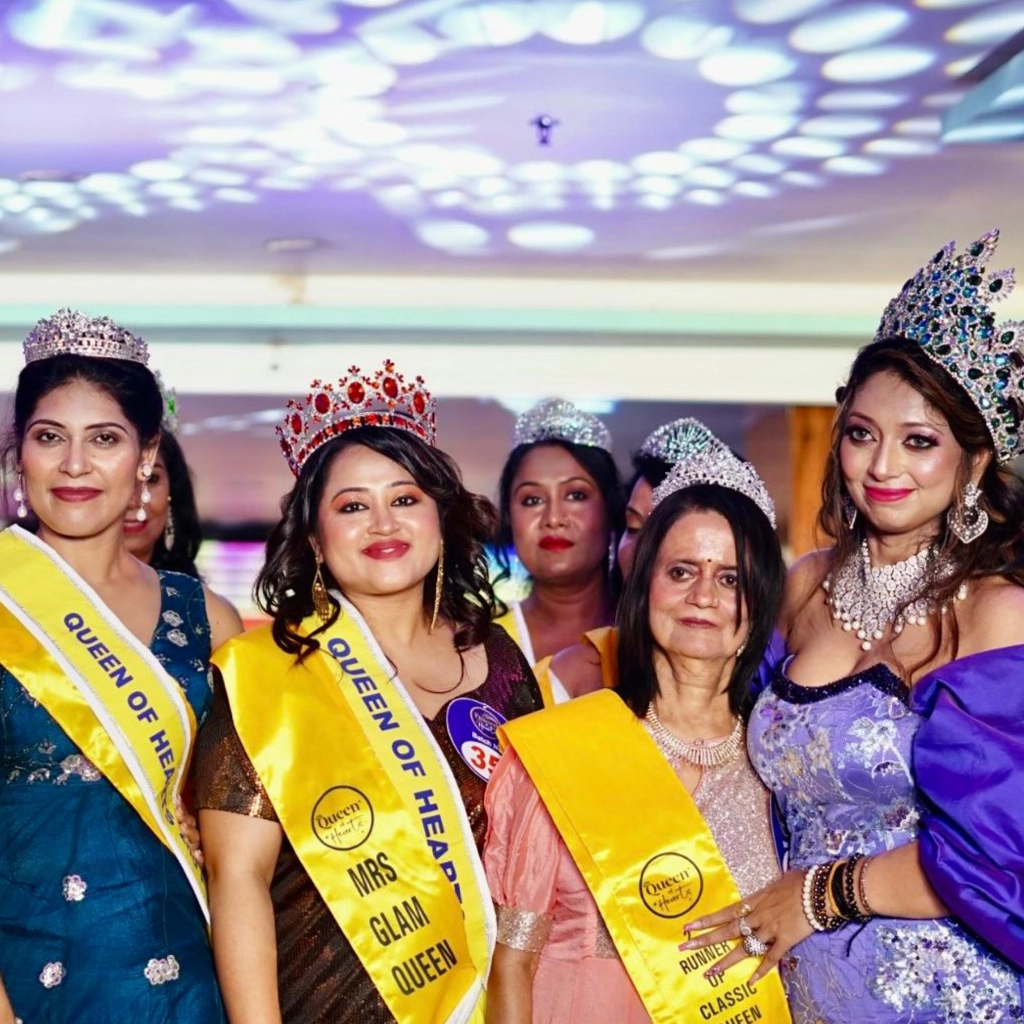
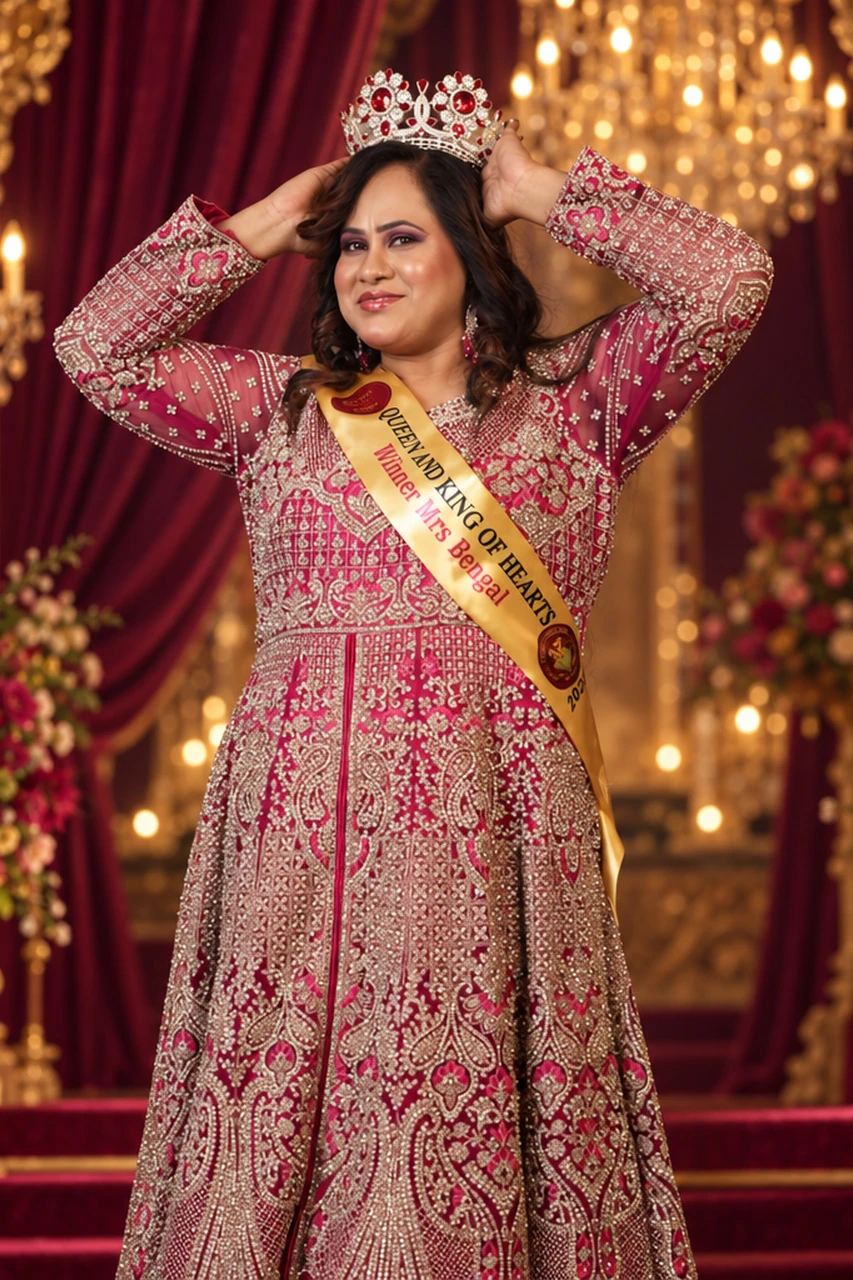
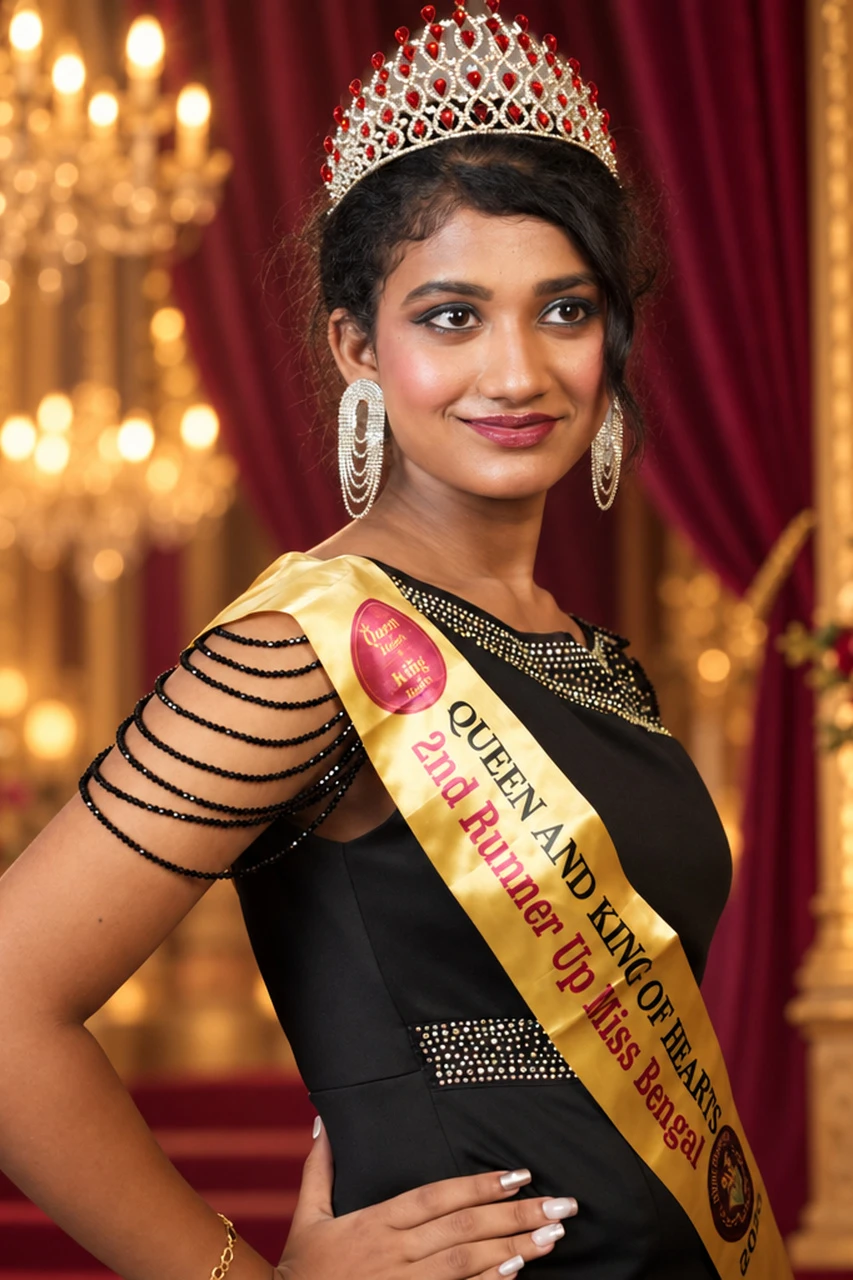
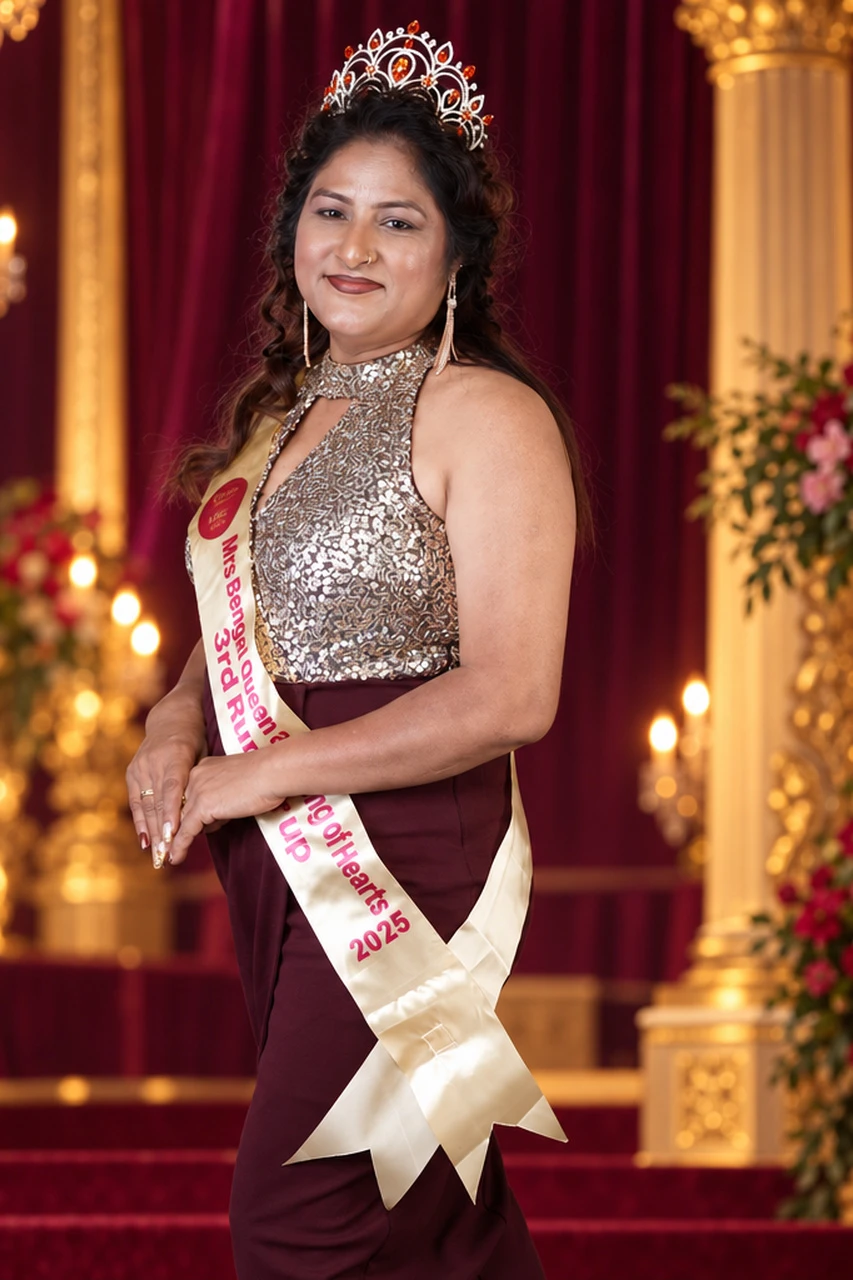
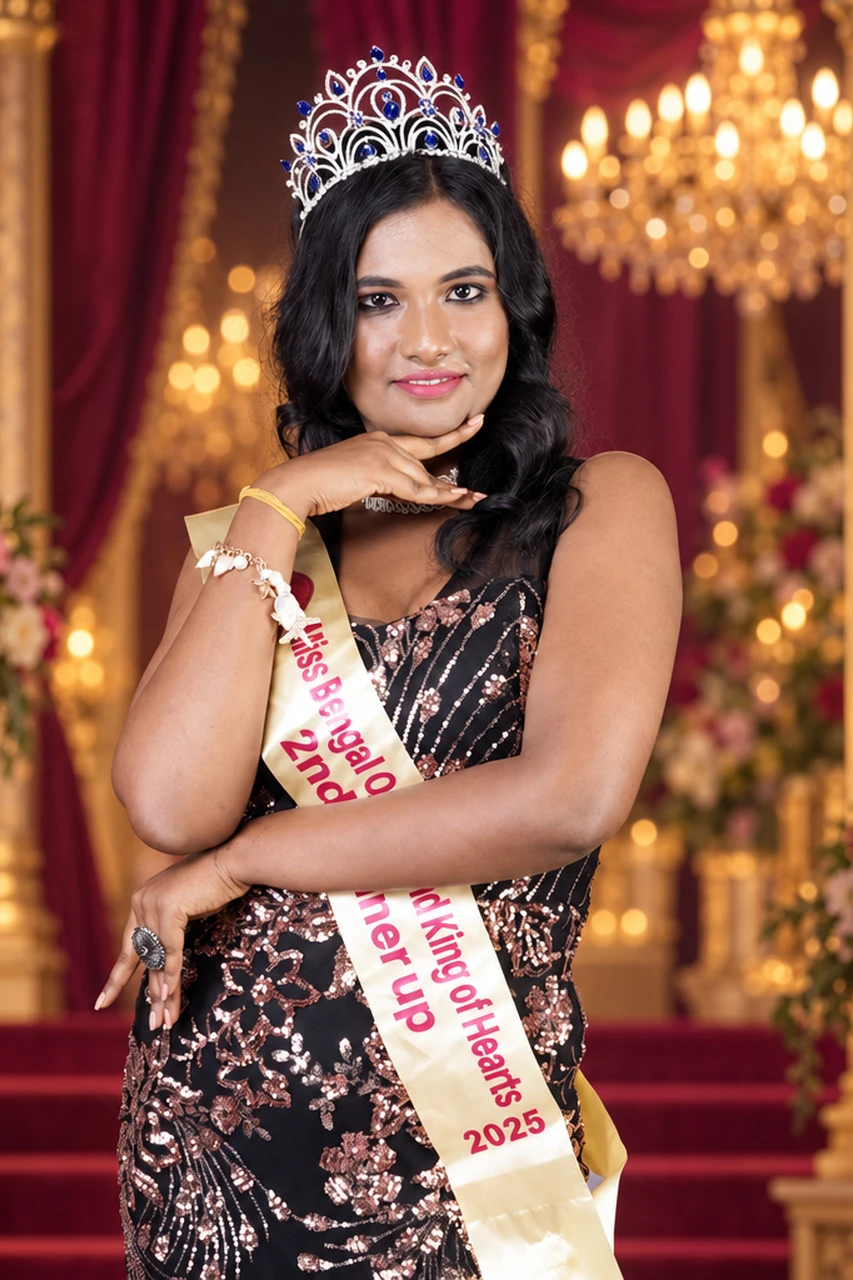
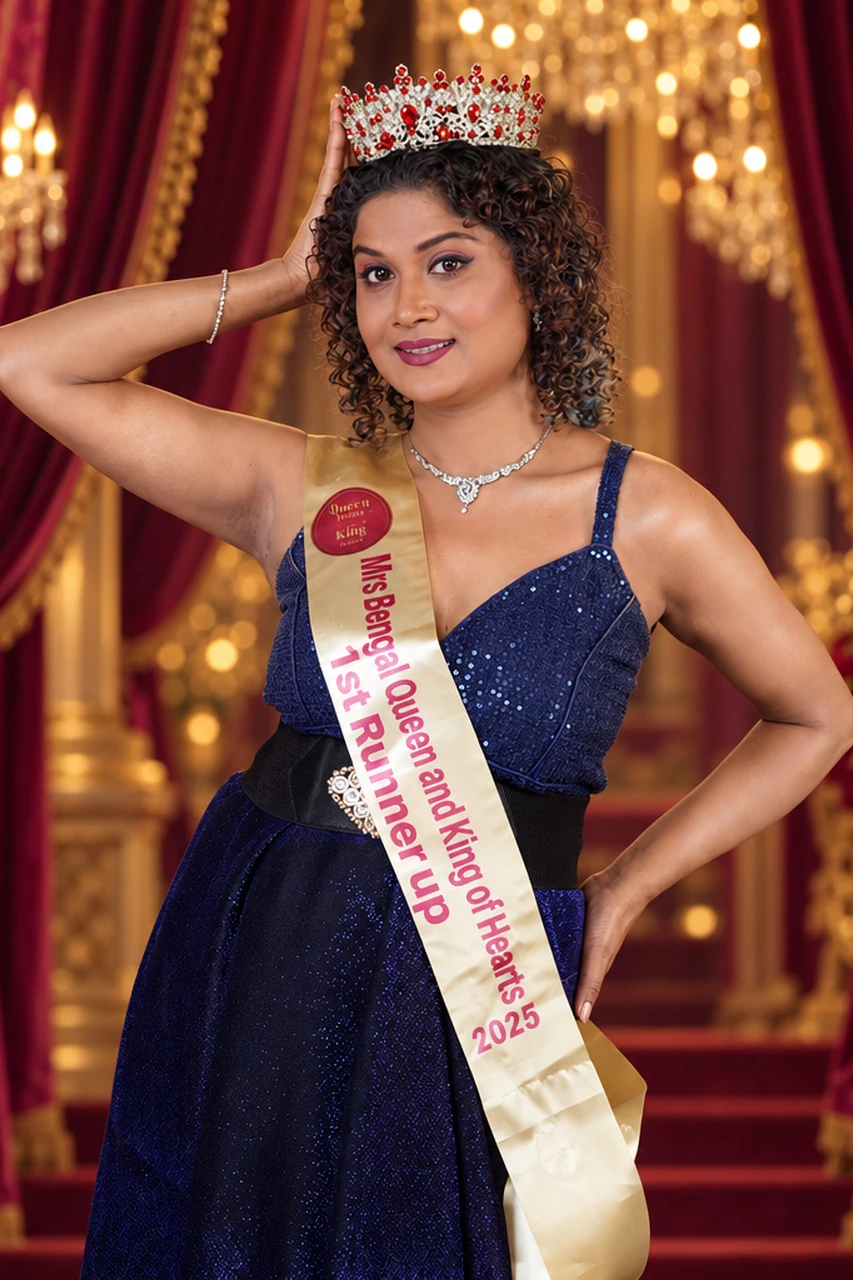
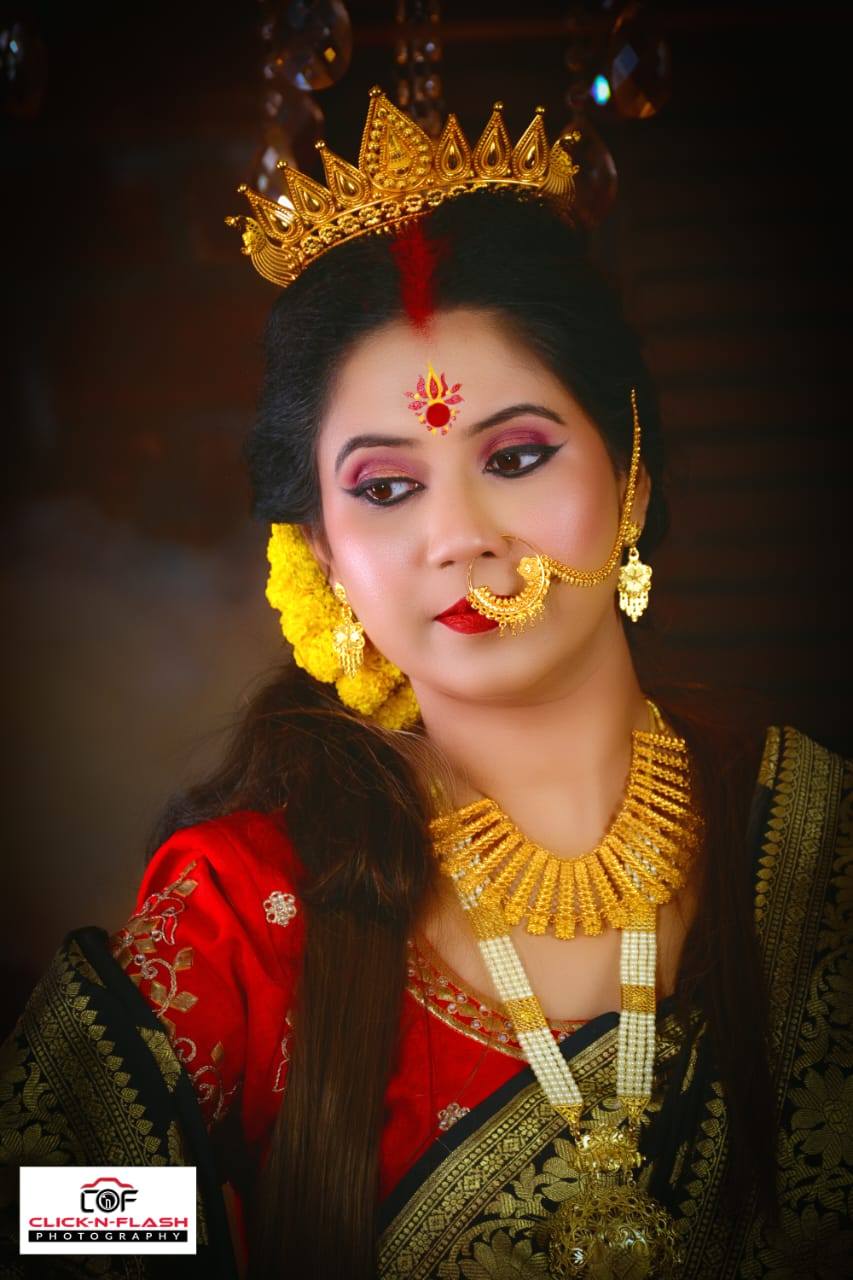
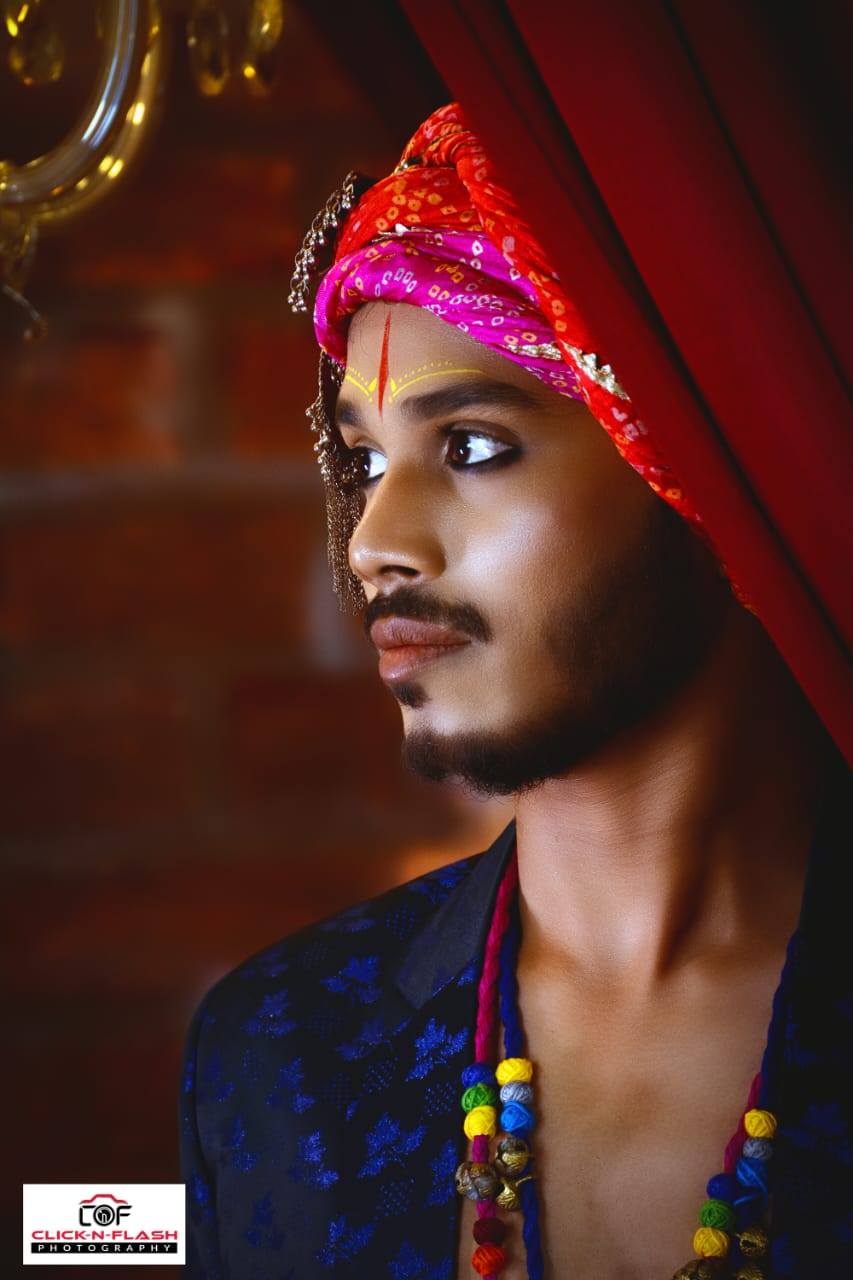
How Grooming Builds Confidence in Pageants
Pageants are about much more than beauty. They celebrate confidence, personality, communication, intelligence, grace, and the ability to make a positive impression. While contes...
Nobody decides to walk a runway in front of judges by accident. It usually starts as a small private wish, whispered to yourself in front of a mirror on an ordinary Tuesday. Then a friend mentions an open registration, and suddenly the wish has a form, a date, and a deadline. This guide exists for that moment. It takes the Miss beauty pageant in Kolkata from a vague idea to something you can actually register for, prepare for, and walk into with confidence: what the Miss category involves, who is eligible, what the fees cover, how the rounds work, and how the months between registration and finale day are best spent.
The Miss category is the most competitive division in Indian pageantry, and Kolkata has its own flavor of it. The city produces confident speakers, expressive faces, and contestants who are comfortable being looked at. What it also produces, in growing numbers, is impatience. People want the crown without the runway training, they want the title without the interview round, and they want to know the results before the first rehearsal ends. None of that works. A Miss category pageant rewards preparation, and preparation is the part nobody posts about online.
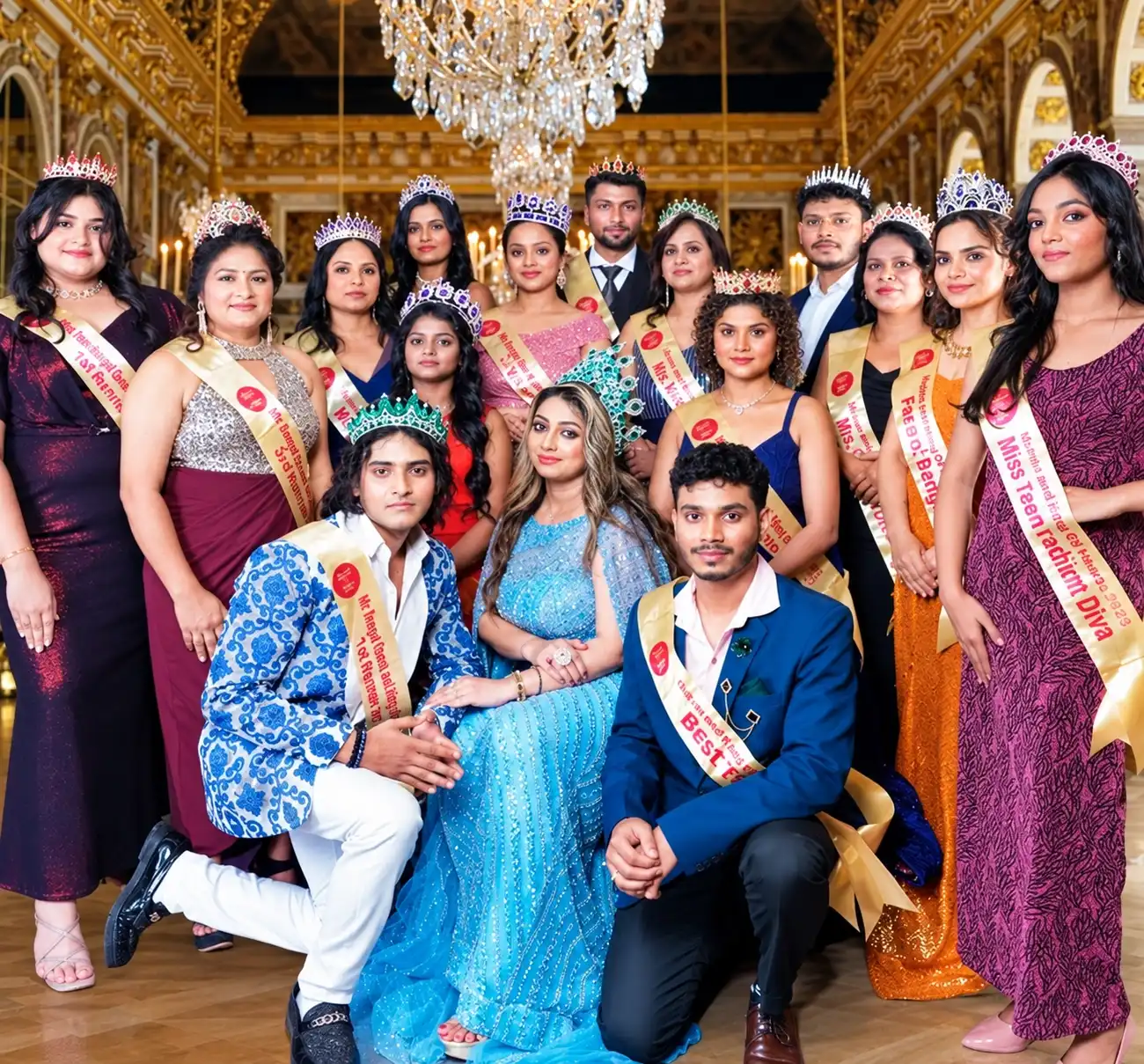
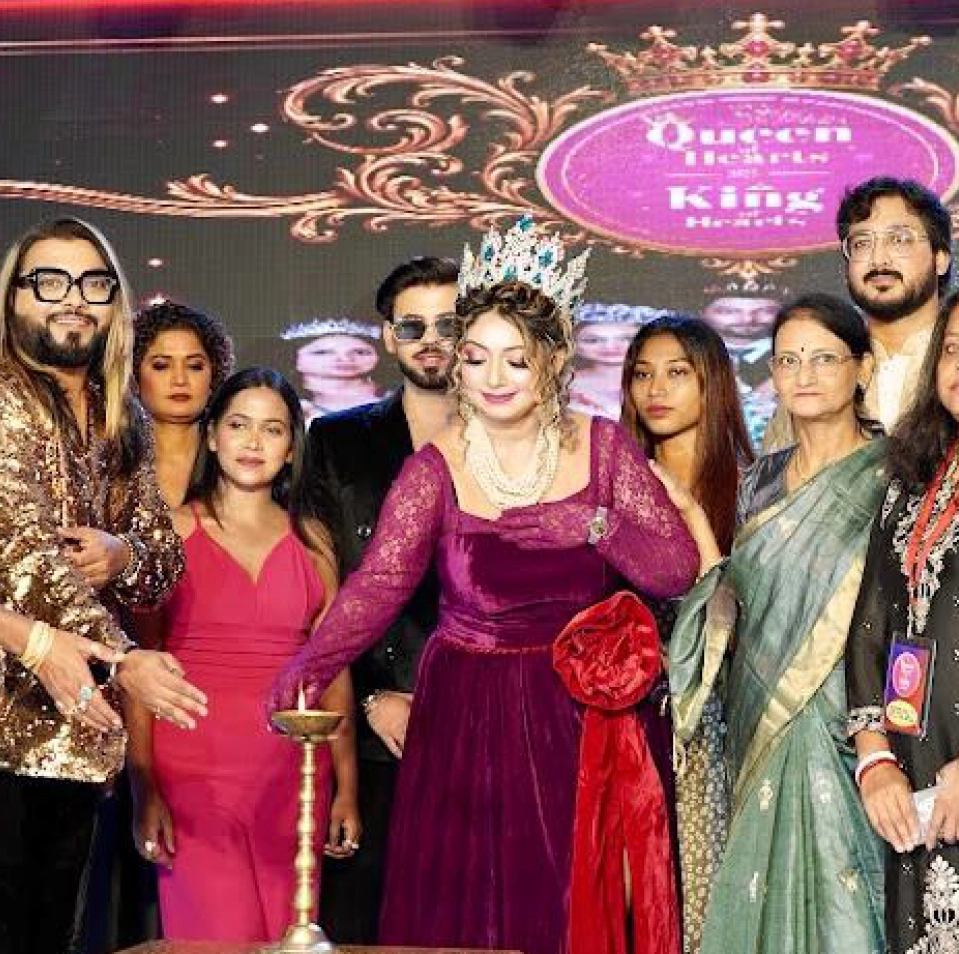
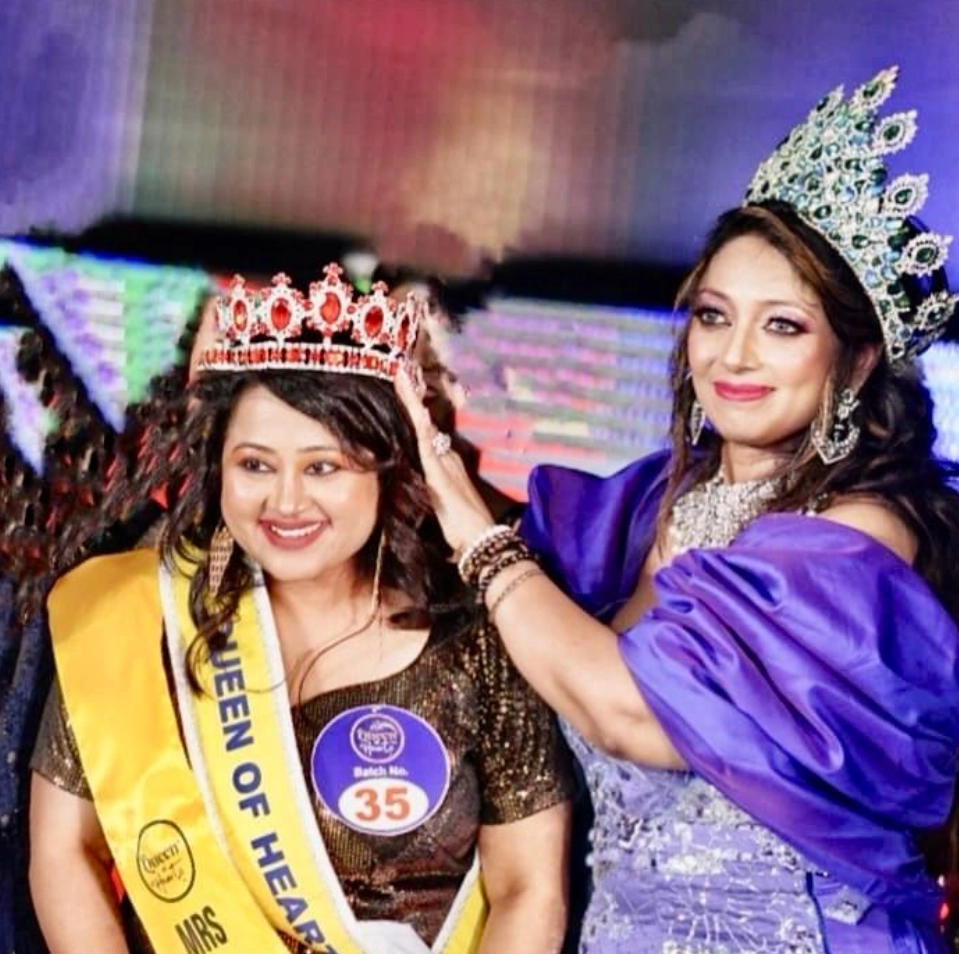
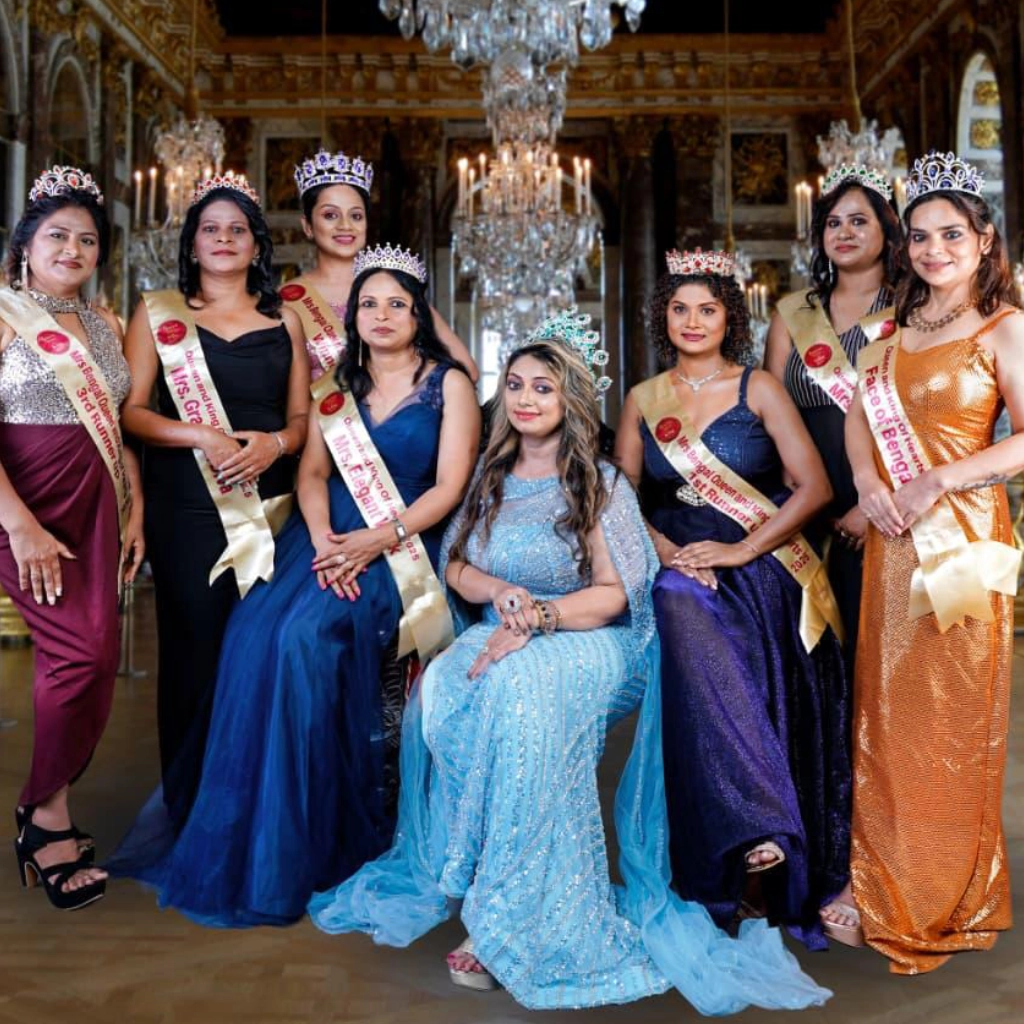
A pageant is not one competition. It is a bundle of them under a single brand name. The Queen and King of Hearts Beauty Pageant runs the Miss, Mrs., Mr., Teen, and Kids categories together as one evening of presentations, with separate titles inside it. The Miss category pageant is the division for unmarried women competing on confidence, personality, talent, and stage presence rather than on measurement alone.
Understanding this distinction saves a lot of wasted money and wasted evenings. A Miss category entrant is usually judged across several rounds: a personal introduction where she speaks, a showcase round where the walk carries the score, a talent or personality round, and in many editions a question-and-answer segment with the judges. Each round rewards a different kind of strength. The introduction rewards a clear voice and a story worth hearing. The walk rewards posture, control, and warmth. The interview rewards someone a panel wants to sit with for ten minutes.
Many Kolkata contestants also enter sub-titles within the Miss division, such as Miss Bengal, Miss Kolkata, or a sponsor title. Regional titles tend to matter more than the generic ones: winning a state title usually comes with a clearer pathway into national pageants, a modelling introduction, and access to the organiser's next edition. Ask which titles exist in your edition before you register, because the list changes yearly.
One more distinction worth understanding early. Participation is not the same as winning, and neither is the same as being a runner-up in the way films suggest. Most contestants walk away with honest personal growth, a photograph set worth keeping, and a circle of friends. Some win nothing on the results sheet and describe the night as the turning point anyway. Judges reward composure under lights, and composure is the skill that transfers to every other room you will ever stand in.
Kolkata is not Mumbai, and it does not need to be. The city's pageant culture has grown on something more useful than raw volume: a genuine culture of speaking. Bengali women enter competitions with something to say, and local pageants reward that habit with a generosity you do not always find in bigger cities. Judges in Kolkata frequently mention how rarely they hear a fresh answer to a familiar question.
The city also produces pageant culture because it produces stage culture. Kolkata has theatre groups, classical dance traditions, a strong modelling circuit, and a long history of public speaking that continues into professional life. A pageant here feels less like a sudden event and more like the next evening of something the city already does well.
Compare that with the organized competition. Miss Grand West Bengal, Aura of Bengal, Jewel of Bengal, and the Queen and King of Hearts editions all now run in and around the city, most with online registration open weeks before the event. Regional auditions have expanded beyond the metro, and many organizers now accept entries from outside West Bengal, which means the Kolkata stage is no longer a purely local audience. Practical implications follow: audition slots fill faster, registration windows are shorter, and photograph requirements have tightened because registrars review hundreds of submissions rather than dozens.
Eligibility rules are where first-time contestants get filtered out, and the mistakes are almost always the same. Read the rules as published by the organizer you are applying to, not as you remember them from a pageant you attended as a guest. The most common disqualifying error is applying into a category that does not match your marital status at the date of the finale, not at the date you submit the form.
Age. Most Miss category divisions in India accept entrants from eighteen years upward, with an upper limit that varies widely. Some platforms cap the Miss division at twenty-five or twenty-seven to keep it distinct from the Mrs. division. Others set no upper limit at all and judge maturity rather than a birthdate. A handful run a separate teen division from thirteen to seventeen with parental consent forms. Check the number, and check whether it is measured on the date of the finale.
Marital status. The Miss category traditionally requires that a contestant be unmarried. Some editions also disqualify candidates who are engaged or who have been previously married. If you are separated, widowed, divorced, or unsure where you fall, ask the organizer in writing and keep the reply.
Height and weight. This is the rule that causes the most quiet heartbreak. Some national platforms still ask for a minimum of five feet three without heels, and others apply weight ceilings with an exceptional-cases clause. A growing number of newer platforms have removed both requirements entirely. Read the specific pageant. If it lists a height requirement and you fall short, do not simply skip it and hope nobody measures.
Identity and documents. Almost every Indian pageant asks for a government photo ID, and several ask for Aadhaar or passport details for later travel and visa purposes. Foreign nationals and NRIs usually apply to reserve a country title rather than a state one.
Previous titles. Many editions rule out contestants who currently hold a live pageant title from another system. If you won a title in the past two years, disclose it. Disclosing is fine. Concealing it is what ends an application.
Fees are where clarity is rarest, and clarity is worth paying for. Indian registration fees in 2026 range from roughly eight hundred rupees for a small local evening to three thousand for a national platform's application, with everything above that arriving as stage-linked charges: grooming camps, training cohorts, wardrobe packages, or optional photoshoots.
Read a fee breakdown as three separate questions. What is the entry fee for the audition or registration? What is optional and charged later? What is mandatory once you clear the selection? Jewel of Bengal advertises an all-inclusive ?799 for its 2026 Kolkata edition and publishes a page promising no hidden charges. Forever Miss India separates a ?2,999 application fee from the far larger stage costs that begin after a successful audition and says so openly. Omica Pageant charges a ?2,999 registration that secures the entry, then adds zonal audition, training, workshop, photoshoot, and finale stages. Both approaches are legitimate. What matters is that you can see the line between them.
Ask these questions before you pay. Does the fee include grooming and ramp training? Is the photoshoot included or optional? Are travel and accommodation for outstation contestants covered? What happens to the fee if the event is postponed or cancelled? Is there a refund or credit policy? What is the last date to raise a grievance, and to whom? A serious organiser answers all seven in writing within a day.
Budget practically. Beyond the fee, a serious Kolkata entrant sets aside money for a proper introduction outfit, stage footwear, hair and makeup for one or two looks, and transport to rehearsals and the finale. Nobody ever regretted owning comfortable heels they had already broken in.
It is worth saying plainly, because the assumption persists: pageant judges are not scoring a face. They are scoring a total impression, and appearance is the smallest part of it. The panel is looking for a contestant who can hold a room, who answers without filler, and whose presence on stage matches her presence in an interview.
Posture is the cheapest advantage available, and almost nobody has it naturally. Standing tall with the shoulders down reads as confidence before a word is spoken. Voice matters just as much: a clear, unhurried delivery reads as authority, while speaking fast reads as nerves. Consistency across rounds wins titles, because a contestant excellent in the walk but dull in the interview finishes mid-table. Decide your level in rehearsal, then hold it.
Most contestants underestimate preparation by roughly half. Pageant coaches generally recommend eight to twelve weeks of structured work, and the number that matters is not total hours but consistency. A daily thirty-minute routine beats one exhausting Sunday of practice followed by nothing until the week of the event.
Weeks twelve to nine are for building. Confirm your eligibility, gather documents, get your measurements and photographs done properly, and start walking in your actual stage footwear so your feet adapt before they must perform. Write your introduction in full, then edit it down until it fits the time limit with room to breathe. Beginners often memorize a script word for word, which sounds mechanical under stage lights. Learn the beats, not the sentences.
Weeks eight to six are for refining. Run mock interviews with a friend who will actually interrupt you. Shortlist outfits for each round and check them under the lighting you will face. Work on the introduction round hardest, because it is the one most often under-rehearsed and the one most in your control.
Weeks five to three are for connecting the pieces. Rehearse complete sequences rather than isolated poses: entrance, walk, turn, stop, pose, exit, in one run. Record yourself from the front, the side and behind, then watch the footage without sound first. Posture problems, swinging arms and rushed turns are visible before you hear anything.
Weeks two to one are for logistics. Complete dress rehearsals in competition outfits, confirm reporting times, arrange transport, and pack your kit twice. Have a plan for the four things that derail contestants: a delayed backstage call, a wardrobe malfunction, an unfamiliar judge asking something unkind, and the sudden need to look composed while you are not.
A pageant walk is not a runway strut. It is controlled, unhurried movement that looks like it costs you nothing. The whole thing rests on three things: alignment, a measured cross-step, and eye contact that reaches the judges without staring.
Start with posture, standing sideways in front of a mirror. Your ear, shoulder, hip, knee and ankle should read as one line: spine tall, chest open, shoulders back and down, chin level with the floor, arms loose. Hold that still position for sixty seconds before you practise moving. Contestants who cannot stand still rarely struggle with walking; they struggle with stopping, which is harder.
Then build the step. Keep steps measured, place the foot with control rather than stamping, and shift weight smoothly. Overstriding disturbs balance and makes the hips swing. Practise on a hard floor and a carpet, since stage surfaces feel nothing like a bedroom. Walk without music, then with music, then under a light you find uncomfortable.
Turns and stops are where walks are made or lost. Slow slightly before the turn, keep the chest lifted, turn from the body rather than only from the feet, and finish balanced. Land on your mark with purpose instead of collapsing into the pose. One walk will not suit every round either: an evening gown wants slower steps and composure, while a bright introduction round can carry more energy.
Understanding the round structure lets you allocate your effort. Most Kolkata editions run an introduction round, a showcase round built around evening wear, a talent or personality segment, and a judges' question round. Formats vary and the current edition's schedule is always the authority, but the logic behind the rounds stays consistent.
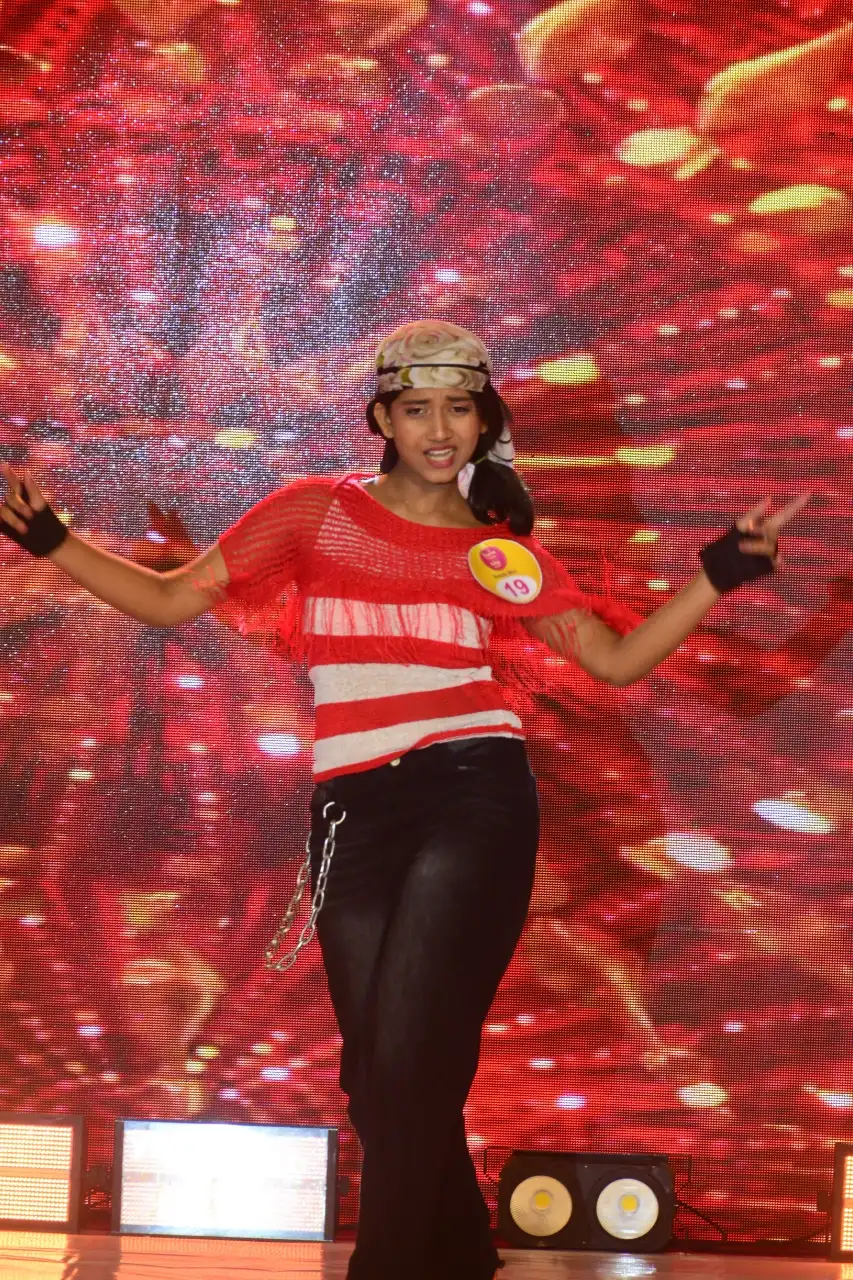
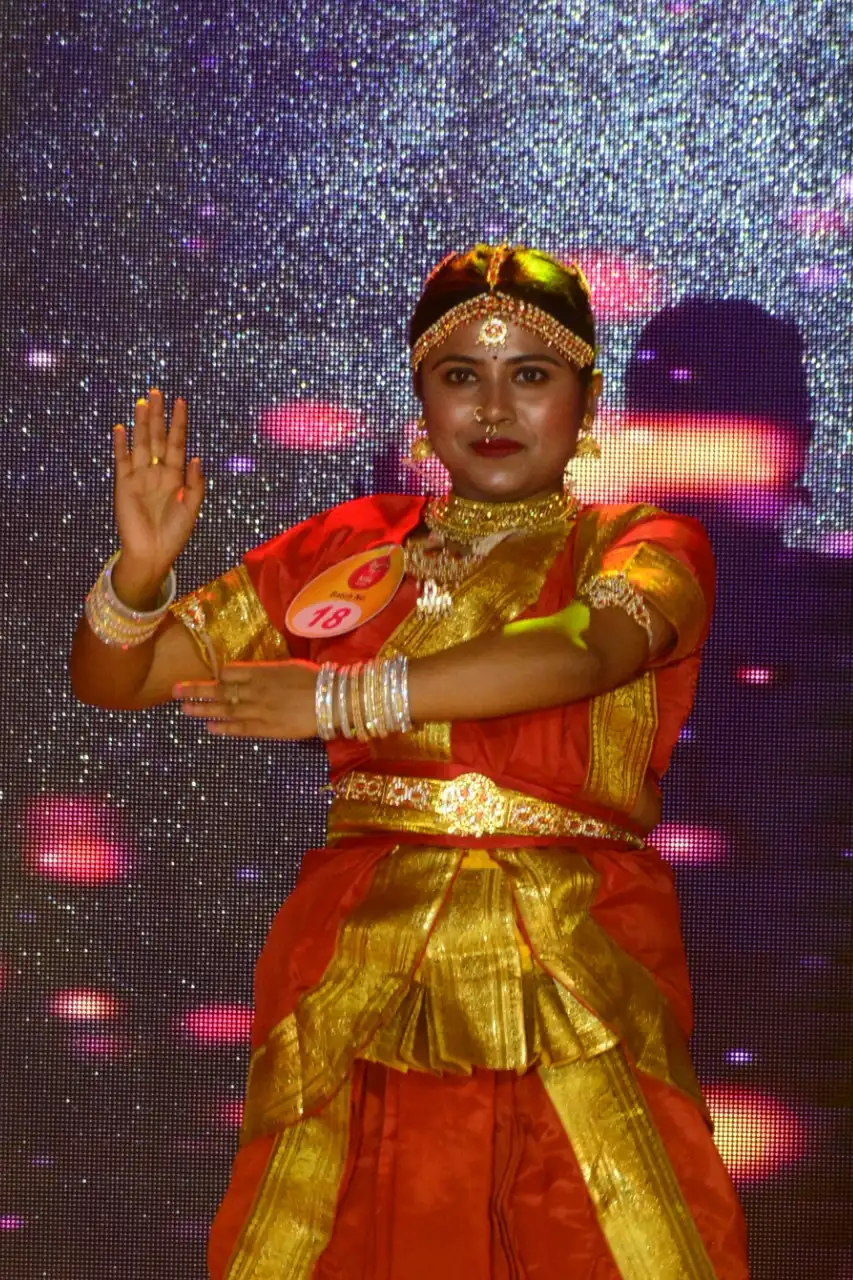
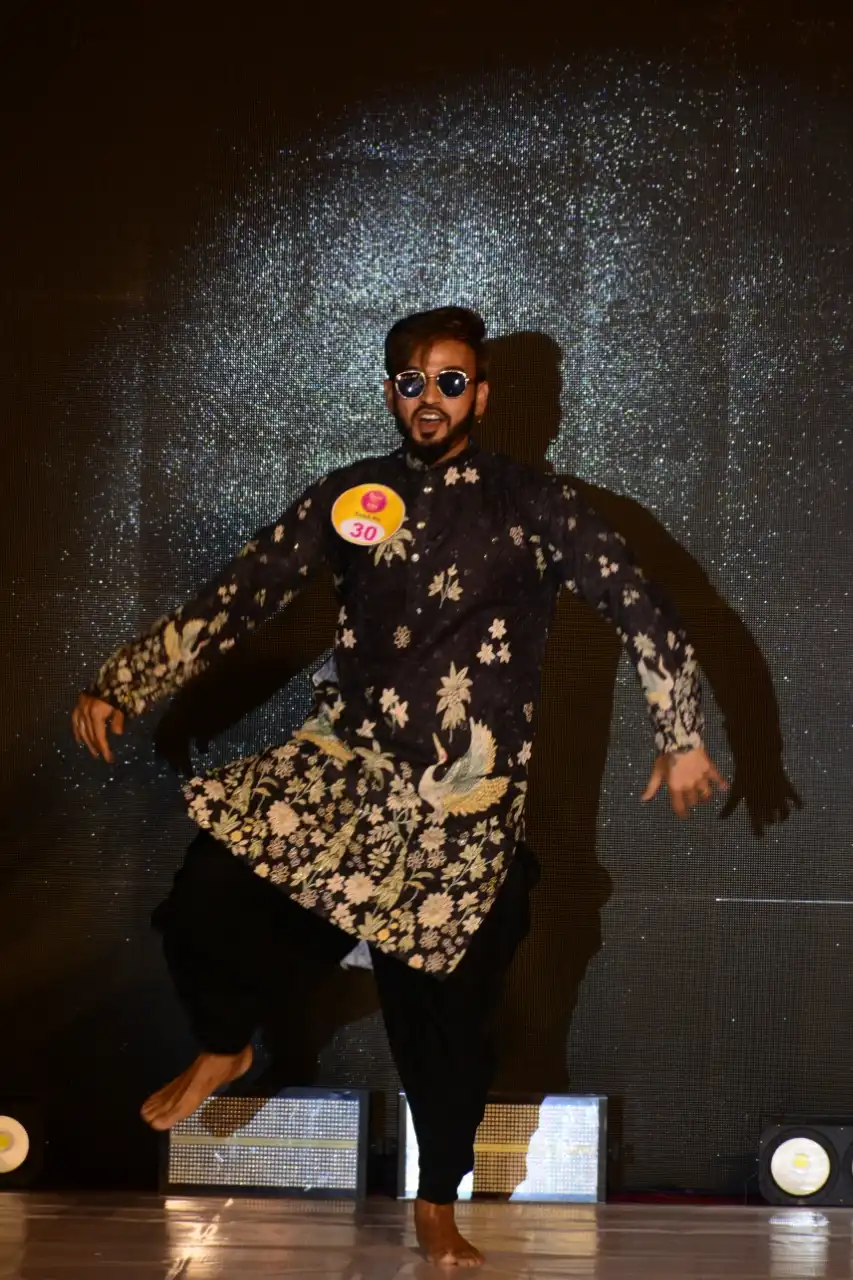
The introduction round is where most first-timers should spend their hours. It is speech, not beauty. Judges are listening for clarity, warmth, and a person they would enjoy meeting. Ananya Roy, Miss Queen of Hearts 2024, described the grooming sessions as the thing that transformed her confidence, and the pattern holds across these events: the contestants who prepare something genuine to say are remembered long after the gowns blur together.
The showcase round rewards control. This is where ramp training pays off directly, because the judges are watching movement, posture and stage awareness rather than listening. Wardrobe helps here as much as technique: choose an outfit you can walk, turn and sit in comfortably, and rehearse in it rather than assuming it will behave.
The talent round is optional on some pages and decisive on others. Singing, dancing, poetry, painting and social projects all appear. If you have something you genuinely love, this is your round to own. If you do not, a well-rehearsed spoken piece is stronger than a rushed performance of someone else's song.
The question round tests character under mild pressure. Current affairs, education, why this pageant, and one question about your own life usually appear. Answer in short sentences, look at whoever asked, and be willing to say you do not know something. Panels can tell the difference between honesty and performance, and honesty scores better than it does in most competitions.
Once you know the format, the harder question is which pageant suits you. Compare platforms on outcomes rather than promises. Legacy names carry brand recognition and a clearer path to national stages, but also stricter requirements on age, height and marital status. Newer platforms tend to be more inclusive, sometimes far more affordable, and occasionally less established.
Compare grooming depth: does the entry fee include ramp training and personality development, or does that arrive as a separate cohort fee? Compare access: are contestants taken to auditions in other cities, shown at fashion events, or given real modelling work? Compare proof: judges with real names, published past winners and a documented schedule are worth more than a page full of stock photographs. Also ask what happens to your photographs and personal data if you do not proceed, since privacy and data retention policies are increasingly published by responsible organisers.
Kolkata offers something rare: the chance to compete close to home while still meeting national-level judging. Several local editions now accept applications from across India and run zonal auditions, so a Kolkata entrant can reach a wider stage without leaving the city for months. Use that advantage, and use the local coaching ecosystem too. Studios across the city offer ramp walk coaching, interview training, grooming and posture work, from accessible sessions to full diploma programmes.
The girls who lose are rarely the least talented. They are the least prepared, and the patterns repeat every season. Registering in the final week before the entry deadline. Choosing an introduction story that describes a job instead of a person. Practising the walk in flats until the first time they wear heels is the day of the audition. Buying a gown that photographs beautifully and cannot be walked in.
Then there is the silent failure mode. Contestants who treat the pageant as a competition with each other rather than a stage with judges end up performing for the other girls in the room. They watch, they compare, they lose their rhythm. Judges are watching something else entirely.
Two more worth naming. Do not disappear after registering: most editions hold mandatory rehearsals, and absence is a genuine reason for withdrawal. And do not assume a win ends your work. Several titles come with obligations afterwards, including appearances, media commitments and sometimes charity work. Ask before you win, not after.
Coming back to where this began: the mirror, the small private wish, the friend who mentions an open registration. That is enough. You do not need permission to want this, and you do not need to be the most beautiful woman in the room to be a serious Miss category competitor. You need a platform whose requirements you meet, a fee you understand, and eight honest weeks of preparation.
Register early, read the rules twice, and keep your documents ready. Train your walk, write something real about yourself, and rehearse it until it stops sounding written. Attend the rehearsals, ask the awkward questions in writing, and arrive knowing exactly when you are required and what you are carrying. If you do that, the Miss beauty pageant in Kolkata 2026 will treat you far better than the contestant who registered on Sunday night and hoped for luck.
And if the crown does not come, something better often does: contacts who become friends, a photograph you will still like in ten years, and a version of yourself who walked into a room full of strangers and did not look down. That woman is built long before a crown is placed on her head, and she is why most organisers keep running these events. Apply before the window closes.


A nationally recognised beauty pageant offering authentic exposure and credibility.

Training by industry experts in ramp walk, communication, and confidence.

Opportunity to represent India at international platforms.

Photoshoots, interviews, and digital promotions to build your personal brand.
Become the Next Miss, Mrs & Mr Bengal. Step Up, Shine & Own Your Crown.
The Queen & King of Hearts Beauty Pageant 2026 unfolded as a powerful celebration of confidence, elegance, and purpose-driven glamour. From the moment contestants stepped onto the stage, the atmosphere was electric—every round designed not just to showcase beauty but to reveal personality, talent, and inner strength. The evening opened with a spectacular introduction segment, where participants represented diverse backgrounds and stories, united by a shared dream of inspiring others. T ... Read More
The Queen & King of Hearts Beauty Pageant 2025 is more than a show; it is a celebration of confidence, talent, and purpose. This year’s edition brings together remarkable women and men from diverse backgrounds, each with a powerful story and a dream to inspire others. From the very first round to the grand finale, every moment is designed to showcase inner strength, elegance, and leadership. The pageant opens with a high-energy introduction round, where contestants present their un ... Read More
The Queen & King of Hearts 2024 is not just a beauty pageant; it is a transformational national platform where confidence, character, and compassion take center stage. This prestigious event brings together the Miss, Mrs, Mr, Teen, and Kids categories under one grand celebration, creating a powerful stage for talents from across India to shine with pride and purpose. Every contestant experiences professional runway training, expert grooming, and personality development sessions designed t ... Read More
A premium platform for aspiring models and performers. Discover grooming, runway excellence, and global exposure designed to transform confidence into presence.
Apply Now →
Participating in Queen & King of Hearts was a life-changing experience. The grooming sessions boosted my confidence tremendously.
A very professional and transparent pageant. The mentors were supportive and inspiring throughout the journey.
From auditions to the grand finale, everything was well organized. Highly recommended for aspiring models.
Stay updated with the latest news, stories, and insights from our community.
Pageants are about much more than beauty. They celebrate confidence, personality, communication, intelligence, grace, and the ability to make a positive impression. While contes...
Get answers to your questions about our services & events. We're here to help!
Then you still received the training, the coaching, and the photographs, and most contestants describe the night as the turning point regardless of results. Titles in the Miss division include state and city sub-titles, so a Miss Bengal or Miss Kolkata award often carries its own recognition and pathway even when the main title goes elsewhere. Beyond the sheet, the outcomes that matter are the ramp walk, the interview habit, the posture, and the circle of people who shared the stage with you. Many active models, media professionals, and entrepreneurs in Kolkata began as contestants who did not win. Be honest about the disappointment, take the professional photographs, and stay connected to the organizer. Platforms that treat past contestants well are worth returning to, and plenty of them run emerging-talent programs, audition calls, and seasonal events where previous contestants are welcome. If you competed and learned something real about performing under pressure, your next application will be measurably better, and the second one is usually the one that lands.
Yes, and the city has a genuine coaching ecosystem rather than a scattering of one-off workshops. Studios across Kolkata offer ramp walk technique, posture correction, interview and question-and-answer practice, grooming, styling, and personality development, with several running full diploma and certificate programs alongside short courses. Fees vary widely, from accessible per-session coaching to programs priced in lakhs, and the practical test is what you get per hour rather than what the program is called. Look for a coach who records your walk, corrects your posture hands-on, and drills your introduction under pressure. Anima Creative Management, Calcutta Grooming Studio, Pageant Academy, Ramp and Walk Modeling Institute, and Eastern India Pageant and Grooming Academy all appear among the city's recognized options, and GEFMTV offers professional pageant, modelling, and media grooming programs at several price levels. Ask three questions before enrolling: who will actually teach my round, how many hours do I receive, and will I rehearse in competition footwear and outfits? Tell the coach which pageant you are entering, because preparation should match its format rather than a generic idea of pageantry.

Look for evidence rather than adjectives. A credible organizer publishes a named leadership team, a panel of judges with identifiable names and titles, a documented schedule with real dates, past winners you can verify, and previous editions you can actually look through. The Queen and King of Hearts site, for instance, publishes 2024, 2025, and 2026 editions with rounds, judges, guests, and galleries attached, which is the kind of record that tells you an event happened rather than an idea. Check whether the fee breakdown is honest, whether eligibility rules are stated in plain language, and whether the refund and privacy policies exist. Ask one hard question by email and watch the reply carefully; a vague response in January is a preview of how you will be treated on finale night. Then verify the claims independently, because a pageant can borrow credibility from a partner or sponsor without actually hosting that event. Red flags include urgency tactics about closing windows, requirements that appear only after payment, a model that earns more from fees than from sponsorship, and refusal to say who judges.


Almost always yes, and Kolkata's pageant season now draws entries from across West Bengal and further. Miss Grand West Bengal 2026 received more than 300 online registrations from across Bengal, with finalists travelling from districts including Murshidabad, Malda, Raiganj, Siliguri, and Darjeeling, alongside Calcutta itself. National platforms accept applicants from every state and often add international applicants, with NRI and foreign national contestants usually reserving a country title rather than a state one. Out-of-station contestants should plan for three extra costs: travel to the audition city, accommodation if the audition and finale fall on separate days, and the timing risk of delayed trains during the wedding season, when venue dates compress and schedules move. Ask the organizer directly whether travel or accommodation is reimbursed, whether local finalists are given any support, and how early the audition city is announced. The upside of applying outside your city is significant: a Kolkata stage reached by a contestant from Malda carries a national audience, and several platforms describe exactly that kind of breakthrough as the reason they run zonal auditions.

Kolkata now hosts several organized pageants that welcome first-timers, and the city has become a genuine pageant market rather than a waiting room for Mumbai. The Queen and King of Hearts Beauty Pageant runs the Miss, Mrs., Mr., Teen, and Kids categories together across multiple editions from 2024 onward, with past winners including Miss Bengal and Junior Bengal titles presented at recent finales. Jewel of Bengal is a purpose-driven Kolkata pageant that splits participants into two age groups, eighteen to forty and forty-one to sixty, states openly that there is no barrier on height, weight, skin tone, or language, and publishes a dedicated no-hidden-charges page along with eligibility, fees, refund, and data retention policies. Other recent Kolkata and Bengal competitions include Aura of Bengal at Novotel Kolkata and the inaugural Miss Grand West Bengal at The Lalit Great Eastern. Most national platforms run zonal auditions with a Kolkata stop, including Omica, Miss and Mrs Iconic India, and Mrs India Asia, which held its Kolkata audition in September 2026. Check each edition's current eligibility page and closing date, since schedules shift annually.
Treat the question round as a conversation rather than an examination, because that single reframe settles most of the panic. Prepare answers in short sentences, three at most, and rehearse them aloud rather than in your head, since silent rehearsal produces far longer answers than spoken ones. Common questions include current affairs, education, why this pageant, what you do, and one question about your family or your private life. Know your own answers well enough that you never need to retrieve them, and know the current-affairs subjects you would rather discuss, because those are where unscripted answers get made. Watch your body language: hands visible and still, shoulders down, chin level, eyes on whoever asked. If you do not understand a question, ask for clarification rather than answering something else. If a judge is blunt, respond warmly and briefly, then move on, because the panel is watching how you absorb that moment. Practise a hard question with someone who will actually interrupt you. On the night, slow your breathing before the round starts and remember that composure is the skill the round is designed to measure.
Choose outfits you can move in, not merely outfits that photograph well. An evening gown looks magnificent standing still and falls apart when you try to sit, turn or climb a step. Test every look against the actual demands of the round: walking, turning, holding a pose, and sitting through a results announcement. For the introduction round in Kolkata, a well-chosen saree, lehenga or tailored suit usually serves better than a heavily embellished gown, because the judges are listening and the outfit should support your voice rather than compete with it. For the showcase round, choose a silhouette that allows an arm to move freely and a hemline that clears the stage floor when you turn. Book the footwear first, then build the wardrobe around it, because heels you have already walked in will make everything else easier. Rehearse in each complete look including jewellery, since a heavy necklace changes how you hold your shoulders. Photograph every outfit in full length, because a look that works in a mirror often reads differently in a photograph. Finally, plan for the changes. Know how long each change takes and rehearse the sequence at least twice.
Write it as a person, not as a resume. Judges hear dozens of introductions in a single evening and can detect a job description within seconds. Begin with something concrete and specific: a place you are from, a detail only you would mention, or a moment that changed your direction. Give it a shape rather than a list. Mention family, study or work honestly, but choose one or two details rather than covering every line of your biodata. Connect it to something you actually value, since purpose-driven stories tend to land better than ambition statements. Then write the closing line that tells the panel who you are when nobody is watching. Once drafted, cut it until it fits the time limit with room to breathe, because rushing the last sentence is the classic beginner mistake. Learn the beats rather than memorising the sentences word for word, which produces a mechanical delivery under stage lights. Practise aloud, standing, in front of another person. Record two or three attempts and listen for filler words, speed and whether your voice drops at the end. Aim for a version you could deliver on a bad day.
Begin with posture and stand still before you walk. Facing a mirror sideways, your ear, shoulder, hip, knee, and ankle should read as one line: spine tall, chest open without pushing the ribs forward, shoulders rolled back and down, chin level with the floor, and arms loose rather than locked. Hold that for sixty seconds, because contestants who cannot hold a still pose almost always struggle with turns and stops. Then build a controlled cross-step with measured strides, feet placed rather than stamped, and weight shifted smoothly between them. Practise on a hard floor and on carpet, because stage surfaces feel nothing like a bedroom. Add turns next: slow slightly before the turn, keep the chest lifted, turn from the body rather than only the feet, and finish balanced. Train your eyes next, practicing looking ahead, then left, then right, without looking down. Finally rehearse complete sequences in your actual competition outfits and footwear. One walk will not suit every round; an evening gown wants slower steps and composure, while a bright introduction round can carry more energy. Record yourself from the front, side, and behind, and watch the footage with the sound off.
Treat it as information rather than failure, because that is what it usually is. Most auditions draw a field far larger than the stage can hold, and organizers select a fixed number of faces per category, so a strong contestant can be cut simply because the quota for her sub-title is filled. Ask for the reason whenever an organizer will give one. A judge who tells you that your introduction was rushed or that your walk needed more control has handed you the most useful sentence you will hear all season, and that specific note is worth more than any vague encouragement. Some platforms run a second-chance list, hold open auditions for cancellations, or accept new entries up to a week before the finale, so ask directly whether another slot exists. Many contestants reapply the following year using what they learned, and several eventual winners were rejected on a first attempt. If you want to keep going, note what you were told, fix that one thing, and try again. If you decide to stop, withdraw properly, ask for your photographs, and request removal of your data.
Generally not within the same edition, and the restriction is usually stated in the rules rather than left to interpretation. Most pageants allow a contestant to enter one category only, because rounds, rehearsals, and costume changes are scheduled around a single timeline, and a contestant trying to compete in two is a logistical problem for the production team. Cross-edition participation is a different matter. Some rules bar contestants who currently hold a live title from another system, while others ask only that you disclose previous pageant experience. Volunteering a past title, whether won two years ago or two months ago, is the correct approach; concealing it is what causes disqualification later. Some platforms also run a separate Mrs. division specifically for married, separated, divorced, or widowed women, so a change in marital status may put you in a different category rather than disqualifying you outright. If you want to compete again within twelve months, ask the organizer directly whether a past title or a previous appearance affects eligibility for the next edition, and get the answer in writing before you register.
Nerves on finale night are a physical response, not a character flaw, and preparation reduces them better than willpower. The night before, keep practice minimal: a short walk, one slow run of your introduction, and a careful check of your kit. Over-rehearsing at midnight makes everything worse, because tired voices break and tired bodies move stiffly. Prepare your outfit, footwear, and documents the night before rather than at dawn. On the day, eat something familiar, arrive with a generous buffer since Kolkata traffic rarely cooperates, and breathe slowly before you go on, letting the exhale run longer than the inhale, which lowers anxiety and steadies the voice. Every contestant backstage feels the same way, and judges are comparing performances rather than nerves. Bring water, a snack, and one person who knows your plan. Every contestant backstage has been counting her own breaths, so you are not the odd one out. Warm your hands before you walk if they are cold, since a visible tremor is far more noticeable than slight coolness. Let the evening unfold rather than trying to control it.
Expect a long, structured, emotionally intense evening, and plan your energy around it. Contestants typically report to the venue several hours before the show begins for makeup, hair, costume change, photographs, and a final briefing. Backstage is organized chaos: a dozen categories sharing a stage, quick changes, lighting cues, and a call sheet nobody reads carefully enough the first time. The rounds run in a published sequence, usually opening with an introduction or presentation round, moving through a showcase or evening wear round, often including a talent or personality segment, and closing with a question and answer round with the judges before results. Between rounds you change costumes, hold your energy steady, and try to hear the announcements over the music. Scoring accumulates across rounds, so consistency matters more than one spectacular moment. Judges deliberate at the end, results are read out category by category, and titles come with sub-titles, sponsors, and often a crowning sequence. If you are one of several sub-titles in the Miss division, know the order in which they are announced. Bring water, a small snack, comfortable shoes for backstage, and someone who knows the plan.
Coaches generally recommend eight to twelve weeks of structured preparation, and that range assumes you start from a standing start rather than a trained one. The twelve-week version spends weeks twelve to nine on foundations: eligibility confirmed, documents gathered, measurements and photographs done properly, footwear broken in, and introduction written and cut to length. Weeks eight to six refine the weak spots through mock interviews, outfit shortlisting, and ramp technique. Weeks five to three connect the pieces by rehearsing complete sequences instead of isolated poses and finalizing any alterations. Weeks two to one handle logistics: dress rehearsals in competition outfits, confirmed reporting times, arranged transport, a packed kit, and a plan for the four things that derail contestants, which are a delayed backstage call, a wardrobe malfunction, an unfamiliar judge asking something unkind, and the need to look composed when you are not. Contest week should be calm and organized. The number that matters is not total hours but consistency. Thirty focused minutes daily outperforms one exhausting weekend of practice followed by silence until the week of the event, because the body learns through repetition and the voice learns through repetition.
The process usually runs in four stages, and knowing which stage carries the most weight helps you allocate your hours. Registration comes first, where you submit photographs, personal details, and an introduction, and organizers use it as a first filter for presentation and clarity rather than talent. An audition or screening follows, either in person at a venue or through an online video submission, and this is where communication and presence get judged directly. Many Kolkata editions hold auditions across a season, sometimes in other cities, with a Kolkata audition typically drawing a large field. Shortlisting produces the finalist or contestant list that appears on the show. Training and grooming sessions then run between shortlisting and the grand finale, and these are compulsory at most editions. Rehearsals usually cover the introduction round, walk technique, round-specific choreography, and stage positioning. The finale itself runs the rounds in sequence, scoring accumulates across them, and results are announced at the end of the evening. Ask for the published schedule for your edition, because the gap between audition and finale ranges from a few weeks to a few months, and that gap is your actual preparation window.
Sometimes, and the confusion causes real arguments later. Some entry fees explicitly include grooming sessions, ramp walk coaching, and personality development. Others include a shorter version: one orientation session, a basic walk-through, or a workshop for finalists only, with full training sold separately. A third group includes nothing beyond the audition, which is how paid audition models work, with training arriving as the next charge after you advance. The question to ask is precise: how many hours of coaching do I receive, in what format, with whom, and before which stage of the process? Also ask whether attendance is compulsory, since serious editions treat absence as grounds for withdrawal. Judge training on content rather than volume: a coach who corrects your posture, records your walk, and drills your introduction beats a day of generic posing sessions. Kolkata has a genuine coaching ecosystem at several price levels, so a fee that looks bare elsewhere may be comparable once you price local coaching honestly.
Possibly, and it costs nothing to ask. A small number of platforms and sponsors run reduced-fee or sponsored entry schemes for contestants who could not otherwise afford the full path, and some offer installment plans that spread a stage fee across the months before the finale. The wording matters. A scholarship usually covers only the entry or audition fee, not later grooming, wardrobe, or photoshoot charges, and it may carry conditions such as media appearances afterwards or the organizer's use of your photographs. Before accepting any reduction, read what it does not cover, and get the total remaining cost in writing. Be equally careful with offers of free entry in exchange for a guaranteed placement, a paid sponsor position, or a share of prize money, since those arrangements have damaged more than one contestant's career. Ask what assistance exists, who funds it, and whether it is a real reduction or a promotional exchange.
Treat this as a personal development expense, and it is usually worth it. Treat it as a financial investment, and the honest answer is that most contestants lose money, which is why structured platforms in 2026 increasingly publish their real cost breakdown rather than hiding it. Forever Miss India is unusually transparent about the gap between a ₹999 application fee and stage costs that can begin above fifty thousand rupees depending on the level a contestant reaches, and that candour is a reasonable model for anyone comparing offers. What you get in return is training you would otherwise pay for separately: ramp walk coaching, personality development, grooming, interview practice, stage exposure, and a photograph portfolio. Women who enter with those goals and who accept that a crown is unlikely still leave with better posture, better communication, and a network. Set a budget before you register, know exactly what each stage costs, and decide in advance the total you are willing to spend. That single decision prevents almost every bad outcome in this industry.
Plan for a real set of practical expenses. A proper introduction outfit and a stage outfit are the biggest items, and in Kolkata a decent look can range from a few thousand rupees for a well-chosen saree or tailored suit to considerably more for a heavily embellished gown. Stage footwear matters more than most contestants expect, and you should budget for heels you can actually walk in rather than the prettiest pair you can find. Add hair and makeup for one to two looks if you are not arranging it through the organizer, and money for transport to rehearsals and to the venue on the night. Outstation contestants should add travel and, if they cannot return the same evening, accommodation. Some editions bundle a photoshoot or a wardrobe session into the fee; others sell them as optional extras, so check what the entry fee covers before you start shopping. A useful rule from coaching studios: buy footwear first, walk in it for two weeks before anything else, and only then choose outfits that work with the shoes you already own. Nobody has ever regretted comfortable heels, and everybody has regretted a gown bought the week of the finale.
That depends entirely on the organizer, and the honest answer is that a surprising number of pageants have no written refund policy at all, which is precisely why you should ask before you pay rather than after you decide to withdraw. Write to the organizer and ask four specific things: is any part of the fee refundable before the audition, is any part credited toward a future edition, what happens if the organizer postpones or cancels the event, and who handles grievances and by when? Some platforms convert the fee into credit for the next edition, which is fair and useful. Others retain the entry fee once an audition slot has been allocated, on the reasonable grounds that the slot was sold. Rescheduling is another common scenario, particularly in Kolkata's wedding season, when venue dates shift and auditions are compressed. Ask whether a withdrawn contestant's name and photographs are removed from the organizer's records, and expect a written answer. If the reply is vague or slow, that tells you how you will be treated if something goes wrong on the night, which is more useful information than the fee amount itself.
Almost every Indian pageant asks for a government-issued photo ID, and many also request Aadhaar or passport details because those identifiers are needed later for travel and visa paperwork if you progress. Foreign nationals and NRIs usually apply to reserve a country title rather than a state title, and they should declare the passport at registration rather than at the venue desk. On the photographic side, expect a consistent set: a close-up, a mid-length shot, a full-length shot, and a no-makeup face, all in JPG, PNG, or JPEG format and within a size limit that varies by organizer. Requirements tighten every season because registrars review hundreds of submissions rather than dozens. Shoot all four in one sitting, in the same outfit or a matching neutral top, with even indoor lighting and a plain background. Bedroom-mirror photographs taken at night with a phone flash are rejected constantly. If you dislike how you look without makeup, remember that the frame exists so the panel sees the face under stage makeup. Submitting an edited photograph that does not look like you is misrepresentation, and it is the fastest way to lose a place you earned.
No, and the Miss division is one of the friendlier entry points for a complete beginner. Most Kolkata editions are explicitly designed to introduce first-time contestants, and the majority of any large field are walking on for the first time. What organizers look for at registration is not experience but evidence of personality: a photograph that reads clearly, an introduction that says something a stranger would remember, and evidence that you can carry yourself in front of a camera. Where experience does exist, it usually shows in interviews and walk quality, and both are trainable inside the eight to twelve weeks most coaches recommend. The real risk for a beginner is not inexperience but under-preparation. Contestants who register late, choose an outfit they cannot walk in, or memorize a script word for word tend to disappear in the first round, while the nervous girl who rehearsed diligently often places well. If you are unsure where you stand, take the assessment coaches offer seriously: record yourself walking, speaking for ninety seconds, and answering a hard question, then watch the footage with the sound off.
Registration fees in India in 2026 range from around eight hundred rupees for a small local evening to roughly three thousand for a national platform's application, with larger sums appearing later as stage-linked charges rather than entry costs. Jewel of Bengal advertises an all-inclusive ₹799 registration for its Kolkata edition and publishes a page publicly promising no hidden charges. Forever Miss India separates a ₹999 application fee from the far larger stage costs that begin after a successful audition and states that openly on its site. Omica charges a ₹999 registration to secure an entry, then adds distinct zonal audition, training, workshop, photoshoot, and finale stages. Before paying, write down three separate figures: the entry fee, everything optional, and everything mandatory after selection. Then ask whether grooming and ramp training are included, whether the photoshoot is optional, whether outstation travel is covered, and what happens to your money if the event is postponed or cancelled. A serious organizer answers all of it in writing within a day, and an organizer who cannot is telling you something useful before you have handed over a rupee.
It depends entirely on the pageant, and this is the single most important question to ask before you pay anything. Some long-running national platforms still specify a minimum of five feet three inches without heels, and several apply weight ceilings with a stated exceptional-cases clause. A growing number of newer platforms have removed both requirements entirely, arguing that they historically excluded capable women without a defensible reason. Platform comparisons in 2026 frequently highlight this shift as a defining feature of inclusive pageantry. What you should not do is assume the generous rule applies to your particular application because it applies to a competitor's. Read the eligibility page of the edition you are actually entering, and if a height figure is listed, measure yourself properly at the end of a normal day rather than in the morning. Where no requirement exists, that absence is worth noting as you choose between platforms, because it suggests an organizer willing to judge talent rather than measurements. Either way, arriving at your audition having already broken in your stage footwear is the preparation that helps every contestant, requirement or not.
Most Miss category pageants in India set the lower limit at eighteen years, and a substantial number of platforms run a separate teen or junior division from thirteen to seventeen with a parent or guardian consent form attached to every application. Upper limits differ sharply between organizers. Some cap the Miss division at twenty-five or twenty-seven to keep it distinct from the Mrs category, while several newer inclusive platforms set no upper limit at all and judge maturity instead of a birthdate. The detail that catches applicants out is the date the age is measured on. One platform measures age on the final date, another on the date the application is submitted, and for a contestant applying close to a birthday, the two can produce different answers. Check the published rules for the specific edition you are entering, and if the wording is unclear, ask the organizer in writing and keep the reply in your files. Age rules are rarely enforced harshly, but they are enforced strictly at registration verification, and discovering a mismatch after training has already begun is a genuinely miserable experience.