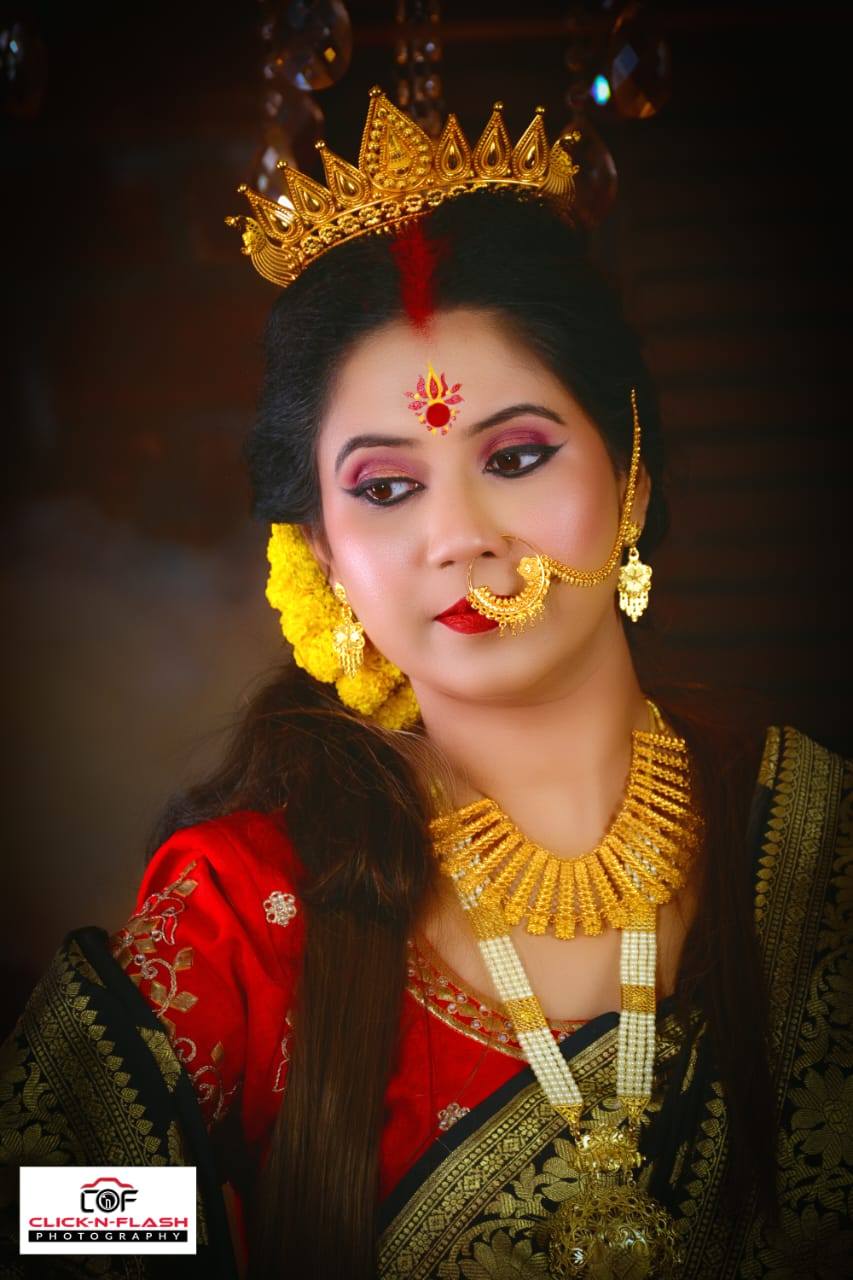
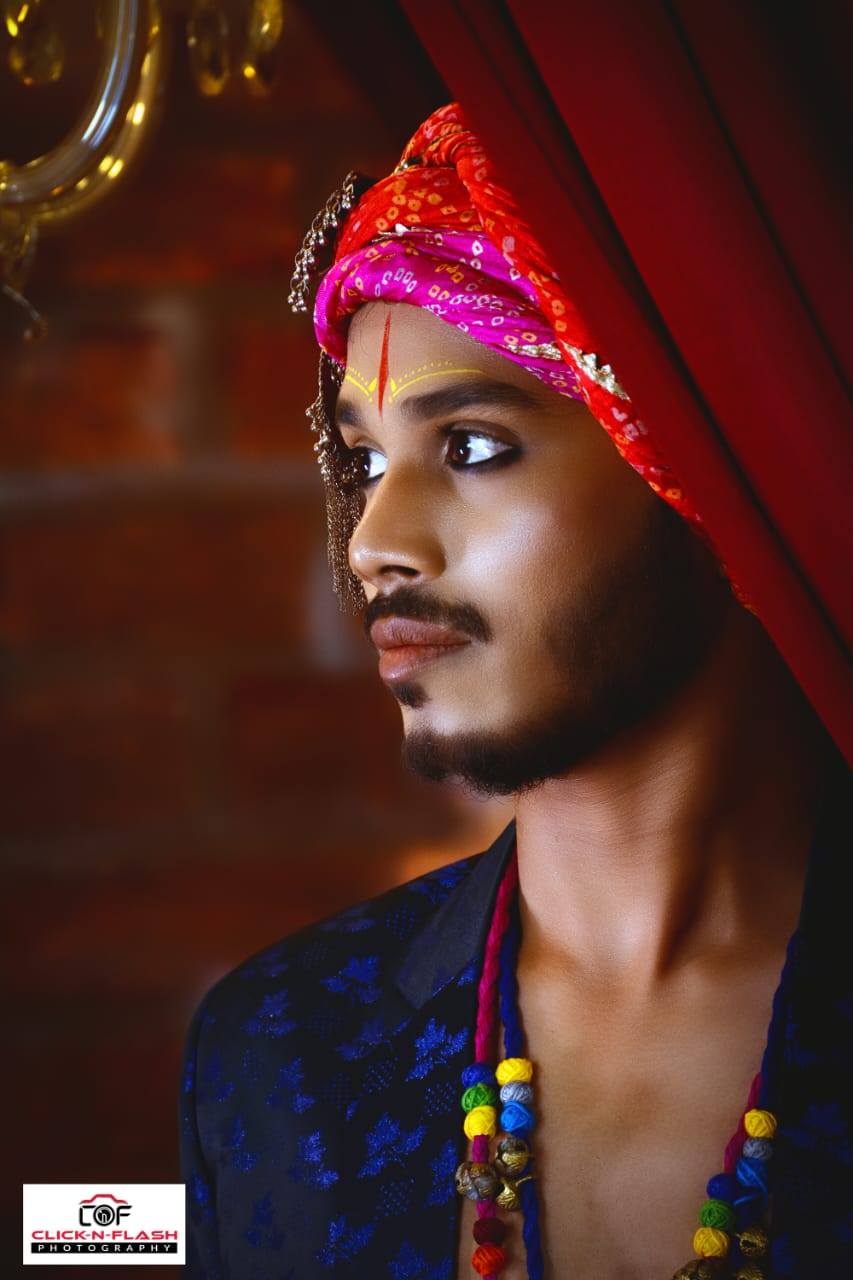
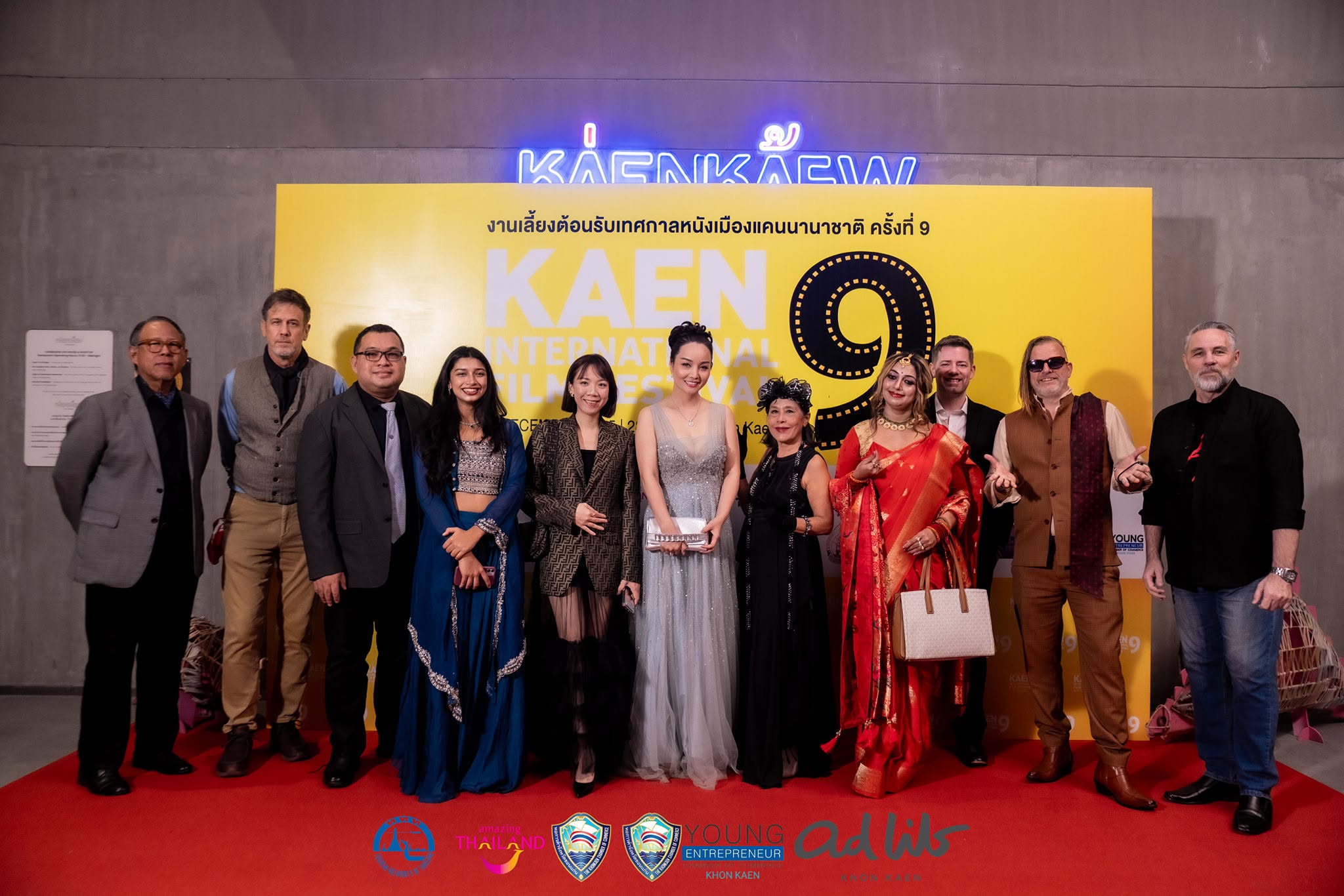
Contestants of Queen and King of Hearts Beauty Pageant 2026 on stage during the national finale in India
Our Vision

Beauty Pageant India 2026: The Vision of Queen & King of Hearts

Some women walk into an audition hall holding a form and a question they are too nervous to say out loud: whether they belong there. The room is full of people who look like they have done this before. Someone has a professional photoshoot portfolio open in her phone. Someone else has been on a small stage at a college festival. And there you are, in whatever you have, hoping your voice does not shake when your name is called.

Queen & King of Hearts was built for that moment. This is a beauty pageant India 2026 platform with five distinct categories—Miss, Mrs, Mr, Teen, and Kid—running from city-level auditions through to a grand national finale. The vision behind it is straightforward. Raw talent is common in India. Structured stage presence is not. So the platform builds the second one deliberately, with grooming, ramp walk and choreography training, styling guidance, portfolio photoshoots and real media exposure.

This page explains what that vision means in practice: the round-by-round journey, what training a finalist actually receives, how fees work in the Indian pageant market, what to ask before you pay anyone, and how to walk into an audition feeling like you belong in the room.

What This Beauty Pageant India 2026 Vision Is Actually Building

Most pageant vision pages are written in adjectives. Talented. Graceful. Empowering. Beautiful. You could paste the same paragraph onto ten websites and nobody could tell them apart. We would rather be specific, because a specific promise can be judged and a vague one cannot.

Queen & King of Hearts works with people who have never been on a stage. The transformation is not cosmetic. It is the difference between a woman who fidgets through an introduction round and one who holds a room for ninety seconds without a script.

Four outcomes sit at the center of the 2026 vision. Presence means posture, pace, eye focus, and recovering from a mistake on stage. Communication means answering a panel question in clear language instead of rambling. A portfolio means professional photographs a contestant can use two years from now for auditions and freelance work. "Perspective" means a title holder who does something useful with the attention she receives.

The category spread matters here too. Most Indian pageants lean hard on one segment. A platform built around Miss India 18 to 30, or Mrs. India 21 to 65, quietly excludes everyone else. This one runs five categories under one roof, so a seventeen-year-old student and a thirty-eight-year-old architect can compete in the same season without either of them being pushed into a category that was never designed for them.

Five Categories, One Platform: Miss, Mrs., Mr., Teen, and Kid

Category structure decides whether you can enter at all. Here is how the Queen & King of Hearts 2026 season is organized.

Miss: the primary open category for women, and the one most applicants start with. Age bands, height guidance, and documentation requirements apply, so check the current season rules before you buy an outfit for a round you are not eligible for.

Mrs.: a full category of its own, not an afterthought version of Miss. Women who are married, and in many pageant frameworks, women who are divorced or widowed, compete here on presence, communication, and purpose rather than on age. A homemaker returning to visibility after fifteen years and a working lawyer in her forties belong in the same lineup.

Mr.: a male category with its own rounds, styling, and choreography. Indian pageant culture has historically treated male contestants as an optional extra. In this structure, Mr. is judged on the same fundamentals as the other four.

Teens and children: Teen is for school and college students, with parental consent handled as part of the process. Kid is for younger children, where the emphasis sits on poise, expression, and a parent-supported experience rather than competitive polish.

Teen and kid rounds are judged more heavily on personality, expression, and talent than on styling, which suits younger contestants who have not yet developed a walk. Parents searching for a child's first stage appearance usually find the Kid category more useful than an adult pageant.

Running five categories creates a specific atmosphere at a finale. Different ages, different life stages, one stage. For a nineteen-year-old student standing next to a forty-five-year-old professional, presence is measured in seconds and judged on what is actually there.

The Journey: City Audition to National Finale

Knowing the shape of the process removes most of the anxiety. You can plan for a stage you have seen described instead of one you have to imagine at 2am.

Step one, application. You register your details and category online, submit photographs and basic information, and receive a confirmation. If a registration form asks for bank details or an unreasonable amount of personal documentation before you have been assessed, walk away.

Step two, city audition. This is the screening round. Expect an introduction, a walk segment, a short interaction with the panel, and for several categories a talent presentation of thirty to sixty seconds. The judges are looking for presence, communication, and personality, not a polished runway.

Step three: selected finalists enter training. This is the part most pageant websites explain in half a sentence. You get scheduled grooming sessions, ramp walks and choreography practice, styling and etiquette guidance, and preparation for your specific rounds. Confirm the schedule, the mode of delivery, and who is teaching each module before you commit to a training fee.

Step four, portfolio photoshoot. Professional photographs in your chosen styling. These are not decorations. A good set of pageant photos becomes a working portfolio that opens casting doors long after the season ends.

Step five, the grand national finale. Multiple rounds, typically covering talent, personality or interview, an evening wear presentation, and a closing title round. Judges score across categories rather than crowning on looks alone.

Between each step there is a waiting period, and that is where most applicants lose momentum. Use the gap to work on posture, pace, spoken answers, and fitness.

What Training a Finalist Actually Receives

This is the part of the vision that has to be examined, not admired. Training in India varies enormously, from a single free walkthrough session to a structured multi-month program. Ask what contact hours you are getting and who teaches each module.

Grooming and styling. Skincare, hair, makeup for stage lighting, and wardrobe selection. Stage lighting is unforgiving, and makeup that photographs well in daylight can look flat under a finale rig. Learning that difference early is worth more than any product recommendation.

Ramp walk and stage presence. Posture, pace, foot placement, arm movement, eye focus, turns, stopping, and posing. Rehearsed under stage conditions with music and in the footwear you will actually wear, not in practice flats.

Choreography. Group and individual routines for talent and opening sequences, rehearsed so timing holds when the music is live and you are out of breath.

Interview and communication. Answering panel questions on your goals, your cause, current events, and your personal story. Preparation here matters more than most contestants expect, because an audition round can be judged heavily on conversation.

Photoshoot readiness. Posing, angles, expression, and giving a photographer something usable. Most amateur portfolios fail on expression, not outfit.

Etiquette and media. Handling press questions, posting during a season, and the public behavior expected of a title holder. One careless post costs a career.

A credible platform gives you a schedule and a faculty list. An unclear one gives you adjectives.

How Pageant Fees Work in India, and What to Ask Before You Pay

Fee transparency is the single biggest trust test in this industry. Across the Indian pageant market, audition or registration fees typically sit between roughly 1,500 and 5,000 rupees, and the real cost sits in a different line entirely: the training fee paid after selection. Understanding this structure protects you from the most common trap.

The trap: a platform charges nothing, or a token amount, for the audition, then presents a large training fee as compulsory once you are selected. You discover the true price only after you have emotionally committed. Ask about the training fee, its size, and its compulsion before you pay the audition fee, not after.

The questions to ask any pageant, including this one. What is the audition fee, and what does it cover? Is the training fee compulsory if I am selected? How many contact hours does it include, and who teaches each module? Is wardrobe or styling support provided for the finale? If I win, what does international representation cost? And is there any fee that has not been mentioned yet?

Refunds. Most audition fees are non-refundable because they cover the panel's time and application processing overhead. That is reasonable. What is not reasonable is discovering a refund policy that does not exist after you have already paid. Get it in writing, ideally as a PDF, before the transaction.

Installments. Most established platforms offer them for finalists. Ask before assuming a training fee must be paid as one lump sum, because a staged payment is far easier on a family budget than a single large transfer.

Compare like with like. Ask all six questions of every platform, write the answers in a table, and let the totals speak.

What Judges Actually Look For

Pageant judging is not a beauty contest in disguise. Judges score across multiple dimensions, and the strongest contestants score well on all of them rather than spectacularly on one single skill.

Confidence over perfection. Confidence is not the absence of nerves. It is showing up and giving your best while nervous. A flawless walk and a rehearsed answer read as rehearsed; a genuine, slightly nervous woman who answers clearly reads as authentic.

Personality and communication. Can you hold a conversation? Do you have opinions? Can you speak about your work, your studies, your community or your cause without reciting a resume?

Stage presence. Posture, eye contact, pace and composure when something goes wrong. A contestant who missteps and recovers looks more professional than one who freezes.

Purpose. This platform is rooted in nonprofit outreach. Contestants who can describe a cause they care about, and something concrete they have done about it, stand apart in a lineup where everyone has rehearsed a smile.

Growth potential. Auditions are designed to find people ready to learn, not finished products. Nobody arrives knowing how to walk a ramp. What matters is the willingness to be trained.

Authenticity. Judges have seen thousands of answers. What they cannot fake is a woman genuinely comfortable in her own presence.

Preparing for Your First Audition: A Practical Plan

You do not need a runway to prepare for a runway. You need a corridor, a phone camera and fifteen focused minutes a day.

Days one to seven: posture and pace. Stand against a wall and notice your natural alignment, then walk away from it. Walk a straight line at a controlled pace and record yourself from the front and the side. You will notice habits you cannot feel, such as looking at the floor or swinging your arms.

Days eight to fourteen: footwear and turns. Practise standing, walking, stopping and turning in the exact footwear you expect to wear. Turns expose balance problems that walking forward hides. Practise slowly before you add speed.

Days fifteen to twenty-one: voice and story. Prepare a sixty-second introduction covering who you are, what you do, what matters to you and why you are here. Then prepare three stories about yourself: an achievement, a challenge you handled, and a cause you support. Rehearse the ideas, not the wording.

Days twenty-two to twenty-eight: staging. Rehearse in your actual outfit, with music, standing up, for the full round. Correct only what genuinely needs fixing.

On the day. Arrive early, because registration desks move slowly. Do not let friends follow you to the counter. Bring water, a hair tie, safety pins, blister plasters and comfortable shoes for waiting. Let your shoulders drop, take one controlled breath before your name is called, and start walking.

After the audition. Results take time. In the meantime, keep practising.

Why a Pageant Is Not Just a Crown

The most common misunderstanding about pageantry in India is that it is only about beauty. Anyone who has sat through a final judging round knows otherwise. What happens is closer to a short, intense course in personal presentation, run under time pressure, in front of people who will not flatter you.

Take the woman who enters a Mrs category round at forty-two, having never given a presentation at work. She learns to walk, to hold a conversation with strangers, to sit for a camera, to speak about herself in a structured way. Those skills do not stay inside the pageant. They move into job interviews, into a daughter's school function, into a room where she is the only person who believes what she is saying.

Then there is the portfolio. Professional photographs taken in the right light, with the right expression, change how people treat you online. An actor, a photographer, a boutique owner, all of them use a strong headshot the way a business uses a logo. That unglamorous value is the most durable thing a pageant gives you.

The nonprofit thread running through the Queen & King of Hearts vision deserves mention. Contestants are encouraged to support a social cause. That matters because pageantry in India has a habit of rewarding only outward appearance. A platform that asks its title holders to be useful to somebody else is making a smaller, quieter claim about what a crown is for, and that claim ages well.

None of this comes with a guarantee. Nobody can promise you a title, and any platform that does should make you suspicious. What a good platform offers is a structured journey, honest information, professional training and a room full of people who decided to try.

From Kolkata to a National Stage

Queen & King of Hearts is based in Kolkata, West Bengal, and that base shapes the platform. Bengal has a long pageant tradition and a deep culture of stage performance, so a city audition here draws a serious room.

City-level auditions are where the national season actually begins. A contestant from Siliguri, a student from Kharagpur, a professional from Asansol and a first-time applicant from Salt Lake all walk into the same screening. The audition is deliberately designed to surface personality rather than polish, which means it is genuinely accessible to someone who has never done anything like this before.

For applicants outside Kolkata, the practical question is travel and accommodation. Audition dates are published in advance, so plan around them. Combine an audition trip with a grooming or portfolio session if the calendar allows, since finalists are usually called back to the same city.

The national finale is where the season resolves. Categories are judged, title holders and runners-up are announced, and standout contestants in each lineup receive recognition. Selected winners may also receive opportunities to represent India at international pageants and fashion events, which is the point at which a regional platform becomes a genuinely global one.

Exposure is part of it. Media and digital coverage gives contestants something concrete to point at afterwards, and for someone building a profile in modelling, a documented national season is worth more than a personal album of photographs.

For Parents of Teen and Kid Contestants

Parents searching for their daughter's first stage experience, or their son's, usually have questions that are about safety rather than pageantry. They deserve direct answers.

Age and consent. Teen and Kid categories exist so younger contestants are assessed among their peers rather than against adults. Guardian consent is documented as part of the process. Ask what documentation is needed, at which stage, and who may accompany a minor to an audition.

Safe environments. Ask what the venue looks like, who besides contestants and staff are present during auditions, and whether sessions are closed to the public. Reputable platforms answer these questions without hesitation.

What children actually do. Teen and Kid rounds focus on expression, posture, introduction and, in some cases, a simple talent segment. The coaching is age-appropriate.

Time and cost discipline. Ask for a written schedule of sessions, so you can see how many weekends and evenings are genuinely required before you commit. Then ask for the total cost of the season in writing, including anything that is optional, so there is no later discovery.

Long-term value. Many young contestants use the experience as a confidence anchor for school presentations, drama, dance and debate. That return lasts longer than a title.

For a parent watching their child walk onto a lit stage for the first time, the nerves are theirs first. Good preparation and clear communication from the organisers make that easier for everyone.

Your Journey Starts With One Honest Decision

If you have read this far, you already know whether you want to apply. That is the only decision that matters, and it does not depend on being tall enough, thin enough, young enough or confident enough on day one.

The vision is not that every entrant becomes a queen. It is that every entrant who shows up leaves better at something than when they registered. Confidence that survives a bad audition day. A walk that does not make you think about your feet. A portfolio. A story you can tell without rehearsing it. And a network of people who decided to try.

Applications for this beauty pageant India 2026 season are open across all five categories, with city auditions feeding into regional rounds and a grand national finale. Registration is the first step, and the first step is the hardest one.

Register for the Queen & King of Hearts Beauty Pageant 2026, ask the six fee questions before you pay anything, and start practising your introduction this week. If you are ready to step into the spotlight, now is your moment.


Registrations Open

Queen & King of Hearts
Beauty Pageant 2026

A premium platform for aspiring models and performers. Discover grooming, runway excellence, and global exposure designed to transform confidence into presence.

Apply Now →
Latest Updates

Recent Blogs & Posts

Stay updated with the latest news, stories, and insights from our community.

Need Help?

Frequently Asked Questions

Get answers to your questions about our services & events. We're here to help!

Expect the organizing team to communicate through a mix of email, WhatsApp groups, and the official website, which is how most Indian pageant platforms operate, so check all three rather than relying on one. Before the season starts, ask to be added to the official contact list, and confirm how results will be published, because the method varies and you do not want to be the contestant who missed a short announcement window. Ask for the key dates in writing: application closing, each city audition, results publication, training block dates, and the finale. Then diary them immediately. The contestants who manage a season without unnecessary stress are usually the ones who knew the calendar in advance rather than the ones who worked hardest. If the schedule you are given contradicts the official website, ask which one is authoritative, and get the answer before you spend money on travel. Staying current costs nothing and removes the single most avoidable source of stress in a pageant season, which is finding out about something late.

Yes, to a degree, and it is worth asking how much. The season runs with media and digital coverage across the auditions, regional rounds, and the finale, which gives selected contestants documented national exposure rather than a private memory of a good evening. For winners and standout finalists, opportunities may also open up to represent India at international pageants and fashion events, and those opportunities carry real career value for anyone building a profile in modelling, entertainment, or content. Two honest caveats. International representation depends on results, on the season's alliances, and on opportunities that cannot be promised in advance, so treat any mention of it as a possibility rather than a plan. And clarify with the organizers what happens to the media content after the season, whether it is yours to keep, and whether it can be used in your portfolio. Ask for examples of where previous finalists have been featured, and treat any answer that is entirely vague as a signal to hold your expectations in the right place.

That is exactly the question to have answered in writing before you pay, because the answer varies more than you would expect between platforms. Ask specifically what happens to your audition fee if the organizers cancel or reschedule your audition date, and what happens to training fees already paid if a round or the finale is postponed or cancelled altogether. Get the terms as a document, not as a reassurance over the phone, and check whether any credit or carry-forward arrangement is offered into a later season. A reasonable position from an organizer is a credit against a future season rather than an automatic refund, since panel and preparation costs have usually already been incurred by then. What matters is knowing which position you are agreeing to before money moves, not after. Keep your payment receipts organized for the full season, because if a dispute ever arises about what you were owed, an organized contestant is usually the one whose claim is honored.

Yes, previous experience is not a barrier, and most platforms welcome returning contestants, including those who competed elsewhere or held a title in a smaller pageant. Treat it as an advantage rather than a liability. You already know the rhythm of an audition day, you understand from the inside what a walk segment actually feels like under lights, and you have usually recovered from at least one awkward moment on stage, which is a kind of training no course can provide. Just make sure your introduction and your reasons for entering are fresh rather than recycled from a previous season, because judges in this industry talk to each other, and a repeated answer is the fastest way to look like you are running on autopilot. Bring what you learned last time and use it deliberately. If you won a smaller title, you already have the hardest habit of all, which is standing on a lit stage without apologizing for taking up the space.

Title holders and runners-up are announced, standout contestants in each lineup receive recognition, and selected winners and finalists may be offered opportunities to represent India at international pageants and fashion events, which is where a regional platform becomes a global one. There is also the media and digital coverage of the season itself, which gives you something concrete to point at afterwards rather than an album of phone photographs taken by relatives. Set your own expectations honestly, though. Nobody can promise you a title, and any platform that tries to promise you a title should make you suspicious of the entire structure. What a genuinely good platform offers is a well-run journey, honest information, professional training, a documented season and a room full of people who decided to try. Whether you place or not, the season gives you photographs, feedback, training hours and a room of people who will still know you once the event lights come down.

Judging is scored across multiple dimensions rather than decided on appearance, which is why contestants who are strong on communication and purpose can beat technically stronger walkers on the night. The qualities panels consistently weigh include confidence, communication, stage presence, personality, talent, and the authenticity of your reason for entering. On this platform in particular, purpose carries weight, because the season is rooted in nonprofit outreach and asks title holders to be useful to somebody beyond the stage, so a cause you have genuinely acted on counts for considerably more than a cause you have only read about. No panel is predictable enough to be gamed, and no coach can promise anybody a title. Confirm the current scoring breakdown and panel composition with the organising team before the season begins. Bring the same steadiness to every segment, because panels notice the contestant who is warm with a small audience and hollow in a large one long before they reach a final decision.

Teen and kid categories exist so that younger contestants are assessed among their peers rather than against adults, with guardian consent documented as part of the process. Parents should ask what documentation is needed and at which stage, who may accompany a minor to an audition or rehearsal, what the venue looks like, and who besides contestants and staff is present during sessions. Ask for the written schedule so you can see how many weekends are genuinely required before you commit, and for the total season cost in writing, including anything optional, so there is no later discovery. Coaching in these categories is age-appropriate and centered on expression, posture, introduction, and sometimes a simple talent segment, which makes the experience genuinely useful long after the title itself has been forgotten. Most platforms also ask minors to attend rehearsals with a guardian present, so one parent should plan to be available for the training days rather than only the audition.

Plan around a structured weekly routine rather than waiting for a large free block, because short daily sessions work far better than one long session followed by a week of silence. A realistic pattern for someone with a job or a degree is twenty minutes of ramp practice on some evenings, ten minutes of interview preparation, a longer full run-through at the weekend, and calendar-blocked event days so rehearsals are not something you have to fight for every week. Ask the organizers for the actual training calendar early, then build your week around it and decide in advance what you are prepared to give up. The contestants who finish a full season alongside a demanding career are rarely the ones with the most free hours; they are the ones who decided what they were dropping before the season started. Tell the organizers early about exams, board results, or a demanding project at work, because an established platform can usually reschedule rehearsal slots around a genuine clash rather than lose you from the season.

Yes. A portfolio photoshoot with professional photographs in your chosen styling is part of the finalist journey, and it is one of the most durable things the season gives you. A good set of pageant photographs becomes a working portfolio that opens casting doors long after the finale, and it changes how people treat you online, because a strong headshot does for a face what a good logo does for a business. Ask what the shoot includes: how many looks, whether retouching is included, how the images are delivered, and what usage rights you hold for commercial work afterwards. Also ask about photoshoot readiness coaching, because most amateur portfolios fail on expression rather than on outfit, and that is one of the easiest things to fix with clear direction from someone who has done it a hundred times. If you keep those images properly, backed up in more than one place, they remain useful years later for casting submissions, social profiles and creative work, well beyond the season they were shot in.

Structured grooming sessions, ramp walk and stage presence coaching, choreography practice, styling and etiquette guidance, interview and communication preparation, photoshoot readiness, and coaching on handling press and social media responsibly during a season. That covers grooming for harsh stage lighting as well as preparation for the portfolio shoot. What matters most is the schedule rather than the list of topics, so ask how many contact hours you are actually receiving, who teaches each module, whether sessions are online, in person, or both, and whether finale-week dress rehearsal and stage access are included or whether the program stops at the early rounds. A platform that gives you a written schedule and a named faculty is one you can hold to afterwards. One that gives you adjectives cannot be held to anything at all. Training quality varies enormously across this industry, so treat contact hours, named instructors, and a written calendar as the three details that distinguish a real program from a slogan.

Most organized auditions run a registration counter and waiting area that spectators cannot enter, and many publish a rule against relatives and friends inside the audition venue, mainly to keep the process moving and contestants focused. Check the current rule for the season you are entering rather than assuming either way. What you can usually expect is that whoever accompanies you will wait outside, so plan for that in advance: bring water, a hair tie, safety pins, blister plasters, and a pair of comfortable shoes for waiting, and keep your walk-up outfit and hair intact. It is worth telling whoever is coming exactly where to wait and at roughly what time you expect to emerge so that you are not doing any of this alone but also not fighting a crowd at the counter. Whatever the venue rules turn out to be, tell your family the finish time as well as the start time, because rounds often run ahead of schedule and nobody enjoys waiting outside a hall that has already emptied.

Expect questions about who you are, why you want to take part, your greatest achievement, your biggest weakness, what beauty means to you, who inspires you, what social cause you support, and what you would do with the platform if you won. Prepare ideas, examples, and stories rather than memorized answers, because a recited answer is obvious from across the room and reads as empty. On a platform rooted in nonprofit outreach, expect the cause question to carry real weight, so be ready with something concrete you have actually done rather than a general statement of goodwill about helping people. Also prepare for the harder prompts, including questions about work, family balance, or an awkward gap in your history, and answer them plainly instead of deflecting with a joke that lands badly under stage lights. Answering is a skill like any other, so rehearse your three stories out loud until you can tell them in a minute without sounding prepared, then let the rest of your answer be spontaneous.

You do not need a runway to prepare for a ramp. You need a corridor, a phone camera and fifteen focused minutes a day. Week one is posture and pace: stand against a wall, notice your natural alignment, then walk away from it, recording yourself from the front and the side so you can see habits you cannot feel while walking. Week two is footwear and turns, because turns expose balance problems that forward walking hides completely. Week three is voice and story, preparing a sixty-second introduction and three real stories about yourself. Week four is staging, rehearsing in your actual outfit with music. Practise in the exact footwear you will wear on the day, keep your pace deliberate rather than fast, and never copy another contestant's walk. Record yourself once a week and compare the videos. The progress is always more obvious on camera than in the mirror, and you will catch a habit long before a judge would have mentioned it.

The season runs from city auditions into regional rounds and then into the grand national finale, and the exact number of intermediate rounds and the format of each can vary by season, so confirm the current structure with the organizing team rather than relying on last year's schedule. What is broadly consistent is the shape of the finale: several segments that together test the whole contestant rather than one highlight moment. A typical structure includes a talent round, a personality or interview round, an evening wear presentation, and a closing title round. Judges score across these dimensions rather than crowning on looks alone, which is why interview preparation is often more valuable than contestants expect and why a strong walk without a story tends to plateau early in a season. Write the dates into a calendar the day you receive them, because rounds sometimes shift by a few days for venue reasons, and a contestant who assumed a fixed date can lose a slot.

Expect four things: a short introduction where you say who you are and why you are there, a walk segment, a brief interaction with the judging panel, and for several categories a talent presentation of roughly thirty to sixty seconds. The panel is assessing presence, communication, and personality, not a professional runway, so nobody expects polished technique from a first-time contestant. Practise your introduction out loud until it sounds like speech rather than recitation, and be ready for an unexpected question about your work, your studies, or what you would do with a platform if you won. Arrive early, because registration desks move slowly and popular audition slots fill up. Do not let friends follow you to the counter. Bring water, something to sit on while you wait, and blister plasters if you are wearing new shoes. Ask the organizers whether the audition is video-judged or live, how many contestants are typically called in a single slot, and how long a candidate is given on stage so you can practice to a realistic time limit.

Most audition fees in this industry are non-refundable because they cover the panel's time and the application processing overhead, and that is a defensible position rather than a trick. What matters is knowing the terms in advance instead of discovering them afterwards, usually at the exact moment you would have wanted them most. Before you pay, ask three things. Is the audition fee refundable if the organizers cancel or reschedule my audition date? Is any portion refundable if I audition and am not selected? And is the training fee refundable in any circumstance at all, including a medical withdrawal partway through a season? Get the answers in writing and keep the document somewhere you will find it. A refund policy that exists only as a verbal assurance is not a refund policy. Read the wording carefully rather than skimming it, because policies sometimes exclude events cancelled for weather, force majeure, or low registrations, and those exclusions are where most genuine disputes sit.

Most established platforms offer them for finalists, because a single large transfer is harder on a family budget than a payment spread across the months of a season. Ask early rather than assuming, and ask for the schedule rather than just the total. The follow-up questions that actually matter are when the first installment falls, how many there are in total, whether the schedule is tied to specific rounds, and what happens to the remaining balance if you are eliminated before the finale. Those last two points are where installment plans differ sharply between platforms. A plan that pauses sensibly when a contestant is not progressing is fair. A plan that demands the full amount regardless of how far you actually travelled is worth negotiating, in writing, before you sign anything at all. Some platforms also accept part payment through a registered cultural or community organization, which can matter more than the installment count when the family budget is tight.

At a well-structured platform, a training fee covers scheduled grooming sessions, ramp walk and stage presence coaching, choreography practice, styling and wardrobe guidance, interview and communication preparation, photoshoot readiness, and etiquette for handling press and social media during a season. Some programmes also bundle the competition entry itself plus finale-week dress rehearsal and stage access. What it usually does not cover is your personal wardrobe, your own hair and makeup for finale night, travel and accommodation for in-person sessions, and the cost of international representation if you win. So the useful question is not only what is included, but what remains for you to pay and how large that remaining number is. Ask for both lists, write them down, and then decide whether the training is worth your money on its own merits. Read both lists side by side with the season calendar, so you can see exactly which weeks each item belongs to, and whether the training actually covers the rounds you will be standing in.

Ask this before you pay anything, not after you have been told that you were selected. The training fee is where the real investment in any pageant sits, and it is the line item that varies most widely across platforms, ranging from a single free walk-through session to a structured multi-month program taught over dozens of contact hours. Find out before you register whether participation is compulsory for finalists, what it covers, how many hours it includes, who teaches each module, and whether it extends to finale-week preparation or stops at the early rounds. A platform that cannot answer those questions clearly has given you an answer of its own. Keep every answer in writing, ideally as a PDF you can actually find later, so you are relying on what was promised rather than on what was said quickly in a busy registration queue. This single answer tells you more about the platform than any brochure does, because an operator who will not disclose it early is usually the same operator who will surprise you later with a wardrobe or travel charge.

Across the Indian pageant market, audition or registration fees typically fall between roughly 1,500 and 5,000 rupees, and that fee normally covers application processing, your audition slot, basic screening, and the panel's selection overhead. Two warnings are worth hearing before you pay anything. If a platform charges more than about 5,000 rupees simply to apply, ask in writing exactly what that fee covers, because the list is usually short and the total further down the line is usually larger. And if a platform charges nothing at all for the audition, that is often a signal it earns its money elsewhere, frequently through a substantial training fee presented to you as compulsory once you have been selected and emotionally committed. Confirm the current figure for the 2026 season directly with the organizing team, since fees and season structures change, and this page will not quote a number it cannot verify. Whatever the figure turns out to be, the useful test is simple. If the total cost of a full season is something you could explain to a family member without wincing, you are in a healthy position to proceed.

Yes. The season is built around city-level auditions feeding regional rounds and a national finale, so applicants from across West Bengal and other states take part in the same season. Kolkata, the platform's home base, has a long pageant tradition and a deep culture of stage performance, so auditions there tend to draw a serious room rather than a queue of walk-ins. Two practical points for someone travelling. First, audition dates are published in advance, so plan your travel and accommodation around confirmed dates rather than assumptions about when a city round might happen. Second, finalists are usually called back to the same city for training blocks, grooming sessions, and the portfolio shoot, so ask whether you can combine an audition trip with a scheduled training day to cut your travel costs and whether any travel support is available to finalists. Ask about the finale venue too, since travel plans for the national round are made earlier than most contestants expect, and a long journey is far easier to arrange with notice.

Typically your name, contact details, date of birth, city, category selection, and recent photographs, plus guardian consent documentation for teen and kid contestants. Requirements vary by season and by category, so treat any list you find as indicative and confirm the current set with the organizing team before you apply. One rule is worth stating plainly, because it is the clearest line between a legitimate registration process and a bad one. A real registration does not need your bank password, your full card number, or pages of personal documentation before anyone has assessed you. If a form asks for those, close it and move on without further engagement. Be careful with age and marital status entries as well, because incorrect information can lead to disqualification later, sometimes after you have already paid for training you can no longer use. Keep scans of everything you submit in one folder on your phone, because you will be asked for the same details again at the audition counter and again before the finale.

Yes, and most contestants do. Auditions across the Indian pageant market are deliberately designed to surface personality, communication, and growth potential rather than polished technique, because the training is meant to happen after selection. Nobody is expected to arrive knowing how to walk a ramp, and nobody should be told otherwise by anyone selling them a course. What matters at the audition stage is that you can hold a short conversation with strangers, present your personality honestly, and show that you are willing to be trained. Judges can tell the difference between a polished script and a real person, and they consistently favor the second. So come with questions, come with nerves, and come with a sixty-second introduction you have practised out loud rather than memorised word for word, because a recited answer reads as empty from across the room and does you no favours at all. The contestants who eventually win are rarely the most experienced people in the room. They are usually the ones who decided to try, arrived prepared, and kept practising after the applause stopped.

Five. Miss is the primary open category for women, and it is the one most applicants start with. Mrs. is a full category for married women and, in most pageant frameworks, also for divorced or widowed women, judged on presence, communication, and purpose rather than on age. Mr. is a male category with its own rounds, styling, and choreography, not an optional extra appended to the women's segments. Teen is for school and college students, with guardian consent handled as part of the registration process. Kid is for younger children, where the emphasis sits on poise, expression, and a parent-supported experience rather than competitive polish. Age bands, height guidance, and documentation requirements differ by category, and they can be revised between seasons, so confirm the current rules for the category you want before you commit to a round or spend money on an outfit you might not be eligible to wear. If you are unsure which category fits, describe your situation to the organizing team in a short message and ask them to confirm eligibility before you pay, because a wrong guess at this stage wastes both time and money.

Queen & King of Hearts is a beauty pageant India 2026 platform running five categories, Miss, Mrs, Mr, Teen and Kid, across city auditions, regional rounds and a grand national finale. The organising vision is to build stage-ready confidence rather than reward appearance alone, which is why the season invests in grooming, ramp walk and choreography training, styling and etiquette guidance, portfolio photoshoots, media exposure and nonprofit outreach. Contestants range from school students to working professionals to homemakers returning to visibility after years out of the spotlight, and every category is judged as a full category of its own rather than as an afterthought. Winners and standout finalists may also receive opportunities to represent India at international pageants and fashion events, which is where a regional platform becomes a global one. It is a professionally managed season with a transparent structure, and the journey is designed so that a first-time contestant and an experienced title holder both get something real out of it. Registration is the only first step, and it costs less than most people assume, so the cheapest thing you can do this month is simply apply and see how you feel about it.