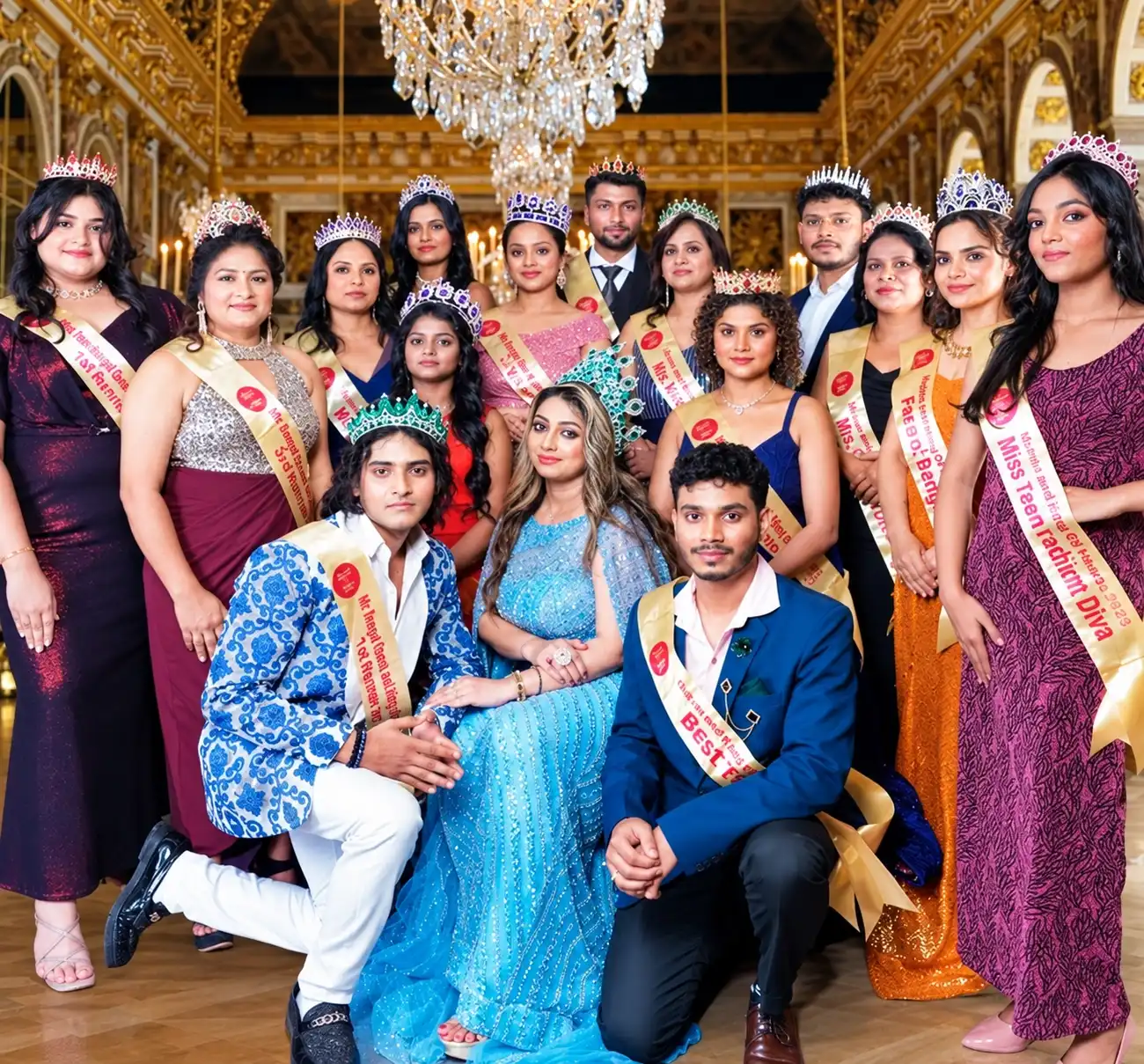
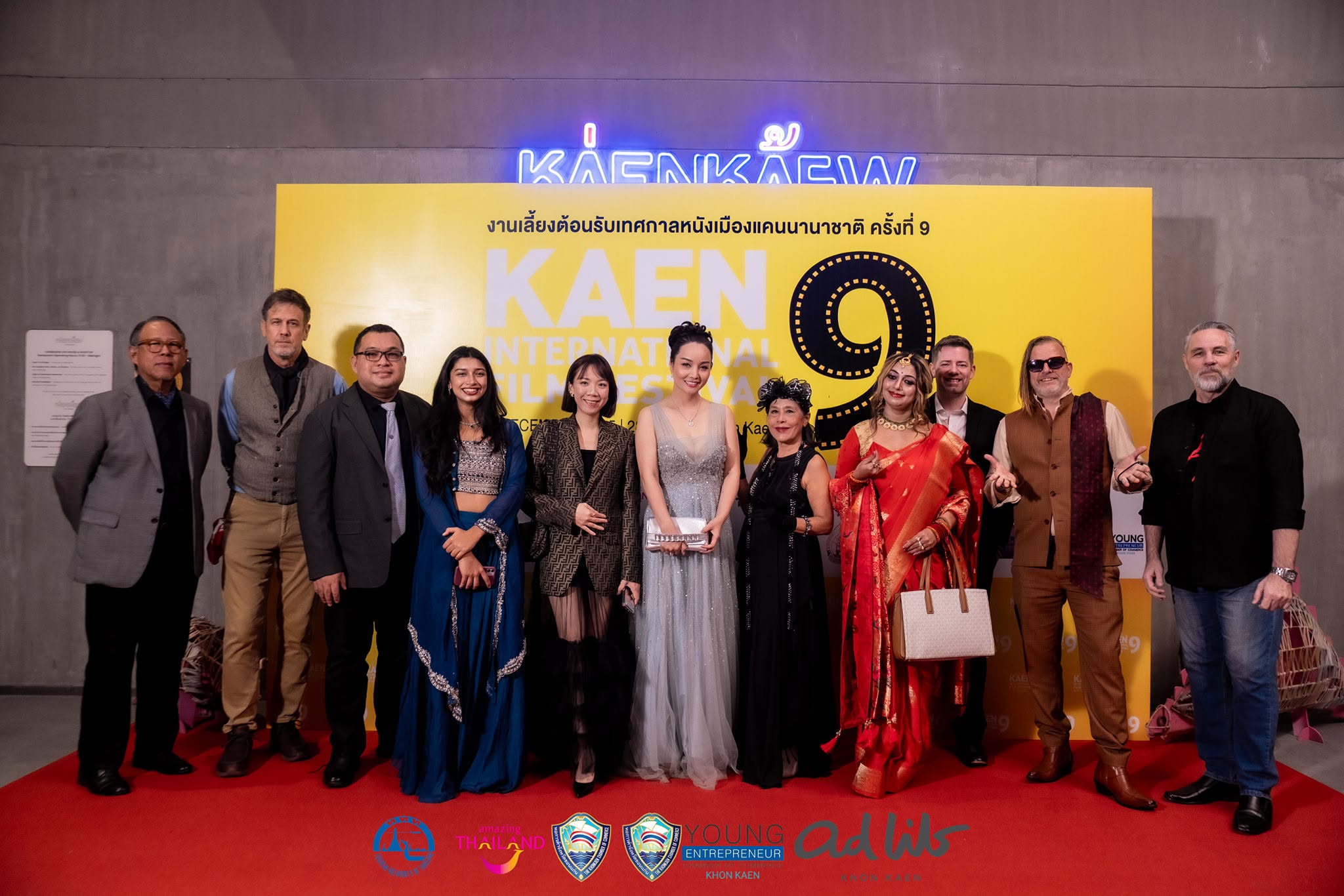
Sponsor logos displayed on the stage backdrop and sponsor board at a beauty pageant sponsorship event in Kolkata, India
Sponsors

Beauty Pageant Sponsorship: Packages, Partners, and Payback

A sponsor's name on a stage backdrop buys attention for one evening. A beauty pageant sponsorship, handled properly, buys something rarer: a year of access to contestants who are actively building a personal brand and an audience that watches people rather than advertisements. That distinction is what separates a logo placement from a partnership, and it is where most brands get it wrong.

Queen and King of Hearts is a beauty pageant platform running from Kolkata, West Bengal, with divisions for Miss, Mrs., Mr., Teen, and Kids contestants. The 2024, 2025, and 2026 editions are all documented on the site; the platform has an international gateway ambition and a named non-profit outreach program, and it publishes a sponsor enquiry form rather than a single contact number buried in a footer. The contact line is +91 9123061110, and the email is info@queenandkinghearts.com.

What follows is the honest version of how beauty pageant sponsorship works in India: what each tier delivers, what in-kind partners actually get for their contribution, how to size the spend, and the questions that separate a real partnership from a printed invoice. If you are a brand owner deciding whether to sponsor a pageant in Kolkata or anywhere else in India, this is written to save you money rather than to win you a pitch.

What Beauty Pageant Sponsorship Actually Buys You

Start with the least glamorous asset, because it is the one that decides your return. A beauty pageant gives you direct contact with contestants: styling artists, photographers, fashion students, working professionals between eighteen and forty-five, and their families. That is a named, reachable list of consumers in a category they care about, and in most sectors you would pay a comparable amount to buy that list through advertising.

The second asset is the finale itself. A live stage in front of an audience gives you something digital placement does not: the moment a crown is placed, the room reacts, and a brand associated with that moment is part of a memory people replay later. For categories tied to celebration and achievement, that emotional association transfers in ways a banner never manages.

The third asset is content. Backstage footage, contestant interviews, preparation shots, rehearsal clips, and winner announcements all generate material you can use across your own channels for months afterwards. Sponsors who negotiate content rights as part of the package extract far more from a season than sponsors who accept a logo and nothing else.

The fourth asset, and the one most overlooked, is association. Pageants carry a stated purpose, and Queen and King of Hearts positions itself around grooming, confidence, and non-profit outreach. A brand attached to that positioning borrows credibility it could not purchase through conventional advertising. This works best when the alignment is real, and it collapses immediately when a sponsor with no connection to the audience takes the stage.

Judge any proposal on these four axes. If a sponsorship deck cannot tell you what you get in each, it is a logo invoice dressed up as a strategy, and you should negotiate harder or walk.

Types of Pageant Sponsorship and What Each One Delivers

Title or presenting sponsorship links the sponsor's name to the platform itself. It is the most visible commitment and the most expensive, and it works when a brand wants the association to be unmistakable rather than incidental. Expect your name in the event's official naming, on-stage announcements, on printed material, and in press coverage. This tier suits companies with a broad public audience and enough marketing capacity to use the association all year.

Category sponsorship attaches your brand to one specific element: a division, an evening segment, the interview round, the talent segment, or an award category such as Best Ramp Walk. It costs less than a title sponsorship and often delivers more relevance, because the audience watching your named segment has already signalled an interest. A salon or cosmetics brand owning the grooming sessions is the clearest example.

Prize and award sponsorship funds a specific trophy, crown, scholarship, or hamper rather than the event as a whole. This is the most flexible tier for a business that wants to be present without over-committing, and it converts well because the award recipient naturally says the sponsor's name while accepting it.

Grooming session sponsorship is the highest-relevance option in the pageant industry. Fitness studios, salons, dermatology practices, makeup artists, and wellness brands supply services or products to the actual training program, which puts your product in the hands of dozens of contestants who will then show it publicly. These sessions also generate before-and-after content that performs unusually well on social media.

In-kind sponsorship covers venue space, printing, technical production, photography, videography, transport, hospitality, flowers, gift bags, and services. The platform's enquiry form lists auditions, national and international pageants, the international gateway, the grooming institute, media, events, fashion and print partnerships, plus a corporate social responsibility track, which tells you the organiser treats these as distinct conversations rather than one undifferentiated ask.

Media and print partnerships put your brand behind the coverage itself rather than inside the event. The value sits in editorial control, photography rights, and the ability to keep publishing long after the night ends.

How Much Does It Cost to Sponsor a Beauty Pageant in India?

Nobody publishes a single honest price list for this, and any brand that quotes you a fixed figure over the phone is either selling a set package or guessing. Sponsorship costs in India move with city tier, edition maturity, division count, and media reach, so treat every number you hear as a starting point for negotiation rather than a market rate.

The workable approach is to anchor on comparable events in your own market. Ask three questions before you speak to any organizer: how many editions have run, how many contestants entered the most recent one, and what media coverage can be evidenced rather than promised. An organizer who answers all three with specifics is worth negotiating with. One who cannot is asking for money against a plan rather than a track record.

As a rough sense of scale without pretending to precision: regional city events with modest media presence sit at the lower end, multi-division events with press coverage and professional production sit in the middle, and national platforms with television or significant digital reach sit at the upper end. The Queen and King of Hearts platform, running three documented editions across five divisions with an active press page, sits in the middle band, and the honest way to establish its actual number is a direct conversation.

Then cost the in-kind route before you dismiss it. A salon supplying styling across a whole grooming cycle, a photographer shooting the portfolio sets, a venue provider offering the hall, or a printer producing all stage collateral can contribute real value that offsets a cash commitment. What matters is that the contribution gets assigned a promotional value in the agreement rather than being treated as a favor, because unfavorable arrangements are where partnerships quietly fall apart.

One number to protect: do not commit more than you can measure and defend. If your marketing director has to explain the sponsorship to a finance team without a deliverables list, the proposal is not finished.

The Sponsorship Proposal Every Organizer Should Send You

A proposal that respects your time opens with structure rather than adjectives. It should tell you what the platform is, who attends, what you receive, what it costs, and when you will be mentioned. If the first page is a paragraph about passion and empowerment, put it aside and ask for the deliverables list. Passion is what organizers have; deliverables are what you are paying for.

Event overview. Name the edition, the divisions, the date, the venue city, and the contestant eligibility criteria. Vague framing here is a reliable signal that the numbers later will be vague too.

Audience and reach. Expect specific figures: contestants per division, total registrations, ticket or guest attendance, social media follower totals, and the media outlets that have covered previous editions. Figures that cannot be evidenced should be treated as aspirations. Ask which partner supplied the numbers and whether they are verified by a third party.

Package structure. Named tiers rather than an open-ended negotiation, each with a written list of deliverables and a clear statement of exclusivity. Category exclusivity should be reserved for sponsors making a meaningful commitment, because when three brands all hold an exclusive claim, the word means nothing.

Deliverable detail. This is where a proposal earns its keep: logo placement on the stage backdrop and the sponsor board, announcement by name during the finale, brand presence in printed material, mentions in press releases, presence on the organizers' website, official social posts, tagged content from the event, contestant gifting, a booth or stall if relevant, and whether your product can be placed in the contestants' gift bags.

Content and rights. Ask explicitly whether you receive photography, video, or interview footage and what license you have to use it. Organizers frequently reserve all content rights by default. That is negotiable, and asking before you sign is the only moment your position is genuinely strong.

Payment terms and cancellation. Stage of payment, invoicing, GST treatment, refund position if the event is postponed, and what happens to your commitments if the edition is cancelled. This is where smaller sponsors get caught out, so read it carefully rather than treating it as boilerplate.

Reporting. What will you receive after the event: photographs, reach figures, impressions, footfall, or a post-event summary? Sponsors who measure renewal by evidence renew. Sponsors who measure by goodwill eventually stop.

Beauty Pageant Sponsorship for Smaller Brands and Local Businesses

Not every sponsor is a national cosmetics company, and the most under-served groups are local businesses with a genuinely relevant audience. A salon, gym, dermatology practice, jeweller, boutique, photographer, restaurant, real estate developer, clinic or education institute in Kolkata can compete effectively on relevance while a large brand competes on budget.

Relevance beats budget at regional level because the contestant pool and the guest list are local. A gym that supplies conditioning sessions to thirty contestants will be mentioned in local press and photographed all season, and the cost to that business is service hours rather than cash. A photographer whose portfolio shoot is part of the official programme gets a portfolio credit that outlasts the sponsorship value many cash sponsors pay.

Three practical routes work for smaller partners. First, take a category rather than a title: owning the grooming or styling segment costs less and fits your business exactly. Second, contribute in-kind with a written valuation, so the organiser can record real promotional value and give you proper recognition rather than a thank-you mention. Third, combine several small contributions into a single package and ask for it priced as a partnership tier.

What smaller sponsors should insist on is the same as what large ones should: named deliverables, a written agreement, exclusivity if you are paying for it, and post-event content. Being a small brand is not a reason to accept vague terms. Organisers who treat small partners generously are the ones you renew with.

For Kolkata specifically, the argument is straightforward. The city has a deep pool of pageant contestants across five distinct age and marital-status divisions, an active regional press presence, and a fashion and jewellery retail culture that supports premium partnerships. A local sponsor reaching that audience at a regional event almost always outperforms the same spend on national digital placement, because the audience is in the room.

How to Build a Sponsorship Proposal for a Pageant

Organisers sell far more often than they are chosen, and most sponsor decisions are made by a brand owner reacting to a proposal rather than proactively searching. If you want to approach a pageant rather than wait to be approached, the process is straightforward and rewards preparation.

Define the objective first. Brand awareness, product trial, recruitment, content for your own channels, hospitality access, or community positioning. Each objective points at a different tier. A brand wanting content should negotiate rights. A brand wanting reach should negotiate placement. A brand wanting goodwill should negotiate the cause platform.

Know the audience honestly. Research the previous edition before you pitch: contestant age split, division mix, social profile, media coverage, venue location and typical audience. When you write to the organiser, reference specifics from their own history. It demonstrates preparation and it immediately separates you from the mass of generic enquiry emails most organisers receive.

Write a one-page summary. Platform overview, audience, your proposed partnership type, what you will contribute, what you expect in return, and a clear next step. Attach a longer deck only if the first conversation warrants it. Decision-makers respect a document that respects their time.

Build the value exchange honestly. State your contribution at a fair market valuation rather than inflating it, because an organiser who sees a figure that doubles real costs will discount everything else you say. If you are offering in-kind work, price it as a supplier would.

Propose two options. Never open with a single figure. Offer a smaller entry tier and a larger one, so the conversation has a range to work within and you learn where your ceiling is.

Follow up once, clearly. A short follow-up referencing the specific date and tier you discussed. Repeated follow-ups after a week are unlikely to help, and they are the fastest way to be filed under nuisance rather than opportunity.

The whole exercise takes a day of preparation and produces a document you can reuse for every event you approach. Organisers who run pageants are permanently short of well-prepared sponsor proposals, which makes this one of the easier business development tasks in the events sector.

Red Flags, Due Diligence and Getting the Terms Right

Pageant sponsorship in India carries the same fraud exposure as any event where a small organiser asks for money against a promise. None of the warning signs are subtle once you know to look for them.

Pressure to pay immediately. Urgency before documentation is the clearest signal there is. A legitimate organiser will never lose their platform because you took a week to review the agreement.

No named corporate entity. Verify that the organising company exists before any transfer. The platform publishes contact details and a listed organising company, which is the baseline you should expect from any organiser worth funding.

Refusing to name previous sponsors. Either there were none, or the relationships ended badly. Ask what partnership tiers sold in the last edition; an organiser who cannot answer has no track record to sell you.

Vague audience numbers. Follower counts without engagement figures mean little. Ask for impressions, reach, and post-event screenshots rather than totals.

All deliverables in the contract, none in reality. Settle this on paper, not in conversation, and specify the remedy if a deliverable is missed.

No cancellation terms. Events get postponed. You need to know whether your money moves to the next edition, comes back, or is simply lost.

One question worth asking is whether the platform reports back. A sponsor who receives a short post-event summary with photographs, reach figures and a note on what performed knows exactly what to repeat next season. A sponsor who hears nothing after the finale learns only that the money is gone. Ask for the reporting commitment in writing before you sign, because it costs the organiser nothing, and it tells you far more about how they will treat you as a long-term partner than any proposal language.

On the other side, one pattern deserves naming because sponsors misread it. A genuine partnership may look informal during the event itself. Sponsors are not always thanked on stage, because thanking every partner individually makes a finale feel like an advertisement. Recognition sometimes happens in the printed programme, the website, or a social post the following morning instead. That is not a red flag; it is a delivery-method question, and it is one worth resolving in the agreement beforehand.

Preparing to Sponsor the 2026 Season in Kolkata

Two or three divisions of head start determine whether you negotiate well. A year is roughly 260 working days; approaching an organiser with sixty left leaves you with almost nothing to bargain with.

Start by reading the platform's public material in full: the mission and vision pages, the rules and eligibility criteria, the jury panel, the press coverage, and the winners from previous editions. You will learn more about the judging philosophy from the jury page than from any sponsorship deck, and it tells you exactly which brand categories fit naturally alongside what the pageant actually values.

Then identify your objective and pick the tier that serves it. A salon should be looking at grooming session sponsorship. A jeweller should be looking at prize and category sponsorship. A brand wanting reach should be looking at presenting sponsorship and should expect to negotiate content rights.

Make contact with specifics. A message that names a division you want to be associated with, references a specific previous edition, and asks a concrete question about deliverables gets a reply. "We would like to discuss sponsorship" does not.

Agree the measurement plan before signing, not after the event. Decide now which numbers you will use to judge whether the partnership worked, because goodwill is not a metric and a sponsor who cannot answer what they got will not renew next season.

Finally, attend once before you commit a large sum. Watch an edition, see how sponsors are treated, and observe whether the organiser delivers what existing partners describe. The platform runs editions through 2026 in Kolkata, and the enquiry route is the published contact number and the sponsor query form on the site. Beauty pageant sponsorship rewards the brand that treats it as a two-year relationship rather than one night's exposure, and in a city where most competitors are still guessing at the process, that approach is genuinely differentiating.

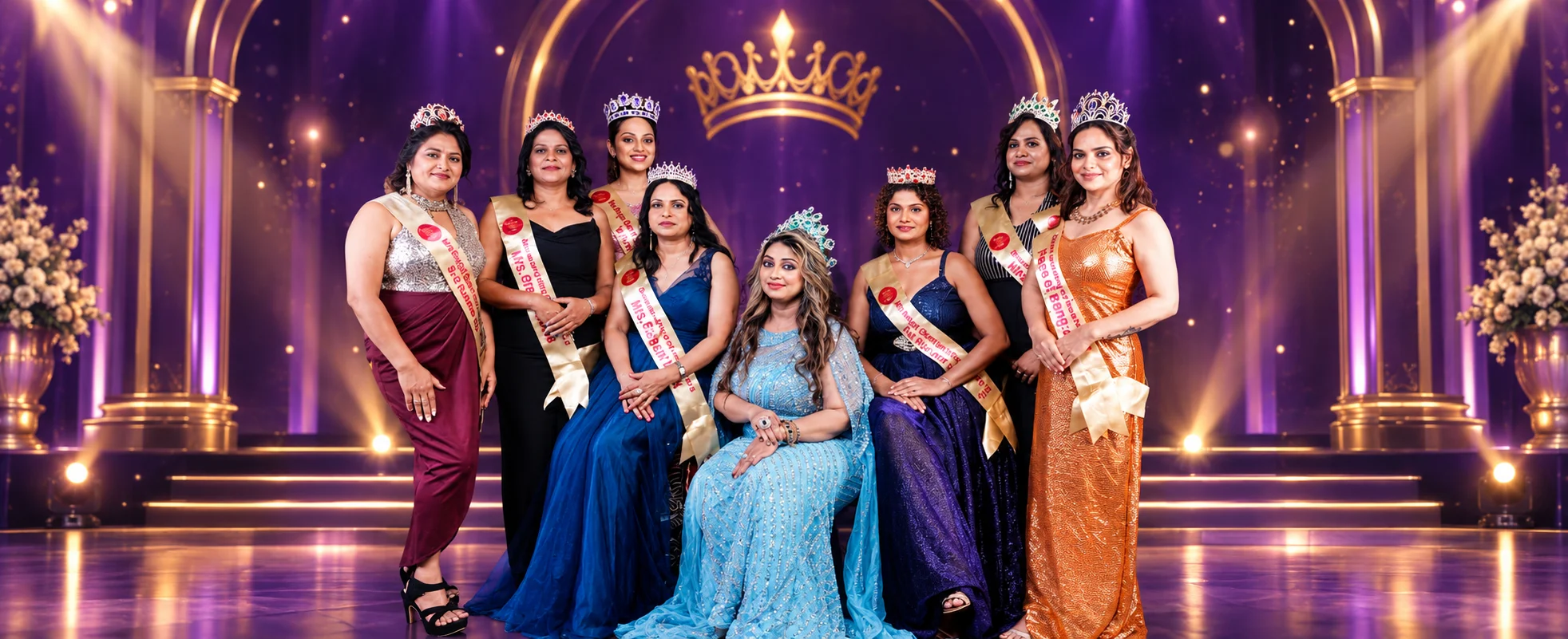
Partner With Us

Become Our Sponsor

Partner with Queen & King of Hearts and amplify your brand's reach while supporting the next generation of talent. As a sponsor, you'll gain prominent visibility across all our platforms, connecting you directly with aspiring models and a passionate audience. Join us in empowering dreams and celebrating excellence.

Send Your Sponsorship Query

Our Supporters

Sponsors & Partners

Latest Updates

Recent Blogs & Posts

Stay updated with the latest news, stories, and insights from our community.

Need Help?

Frequently Asked Questions

Get answers to your questions about our services & events. We're here to help!

Ask for specific, independently verifiable figures rather than round numbers that could be fabrications. Request actual screenshots of social media analytics showing both follower counts and engagement rates, not just follower totals, which can be easily inflated. Ask for ticketing or registration data if tickets were actually sold for the event. Request copies of media coverage with actual publication dates and outlet names that you can independently verify. The organizer who provides specific numbers with sources they can point to is being genuinely credible. The organizer who provides round numbers without any specific attribution or sourcing is essentially guessing, and you should treat their claims accordingly. Specific numbers with sources are credible; round numbers without attribution are not. Independent checking matters because an organizer's own material cannot confirm the organizer's own claims. Requesting evidence upfront builds trust and demonstrates professional diligence on your part, which the organizer should respect and honor.

Every material term must be captured in writing: the exact deliverables you will receive, the specific timing of each deliverable, any exclusivity you are purchasing, the content rights you are being granted, the complete payment schedule and total amount, the cancellation and refund terms, the post-event reporting you will receive, and the name and contact details of the specific person responsible for managing your partnership day-to-day. A properly written agreement protects both parties and prevents exactly the kind of misunderstanding that ends partnerships the fastest and leaves the most bad feelings. Do not accept a proposal that refuses to commit these details to writing. Verbal agreements have no enforceability and should not be relied upon for any material commitment. The written agreement serves as your protection and as the organizer's demonstration of professionalism. If an organizer hesitates to put your partnership in writing, that's a significant warning sign you should not ignore.

Yes, and this single due diligence step is worth more than any proposal language or reference call you could possibly conduct. Attending an edition lets you personally observe the production quality, see exactly how existing sponsors are treated on the nightly schedule, meet the organizer face-to-face, and evaluate whether the actual audience matches what their proposal described. Most organizers offer complimentary or heavily discounted passes for people who are seriously considering a sponsorship. The insight you gain from sitting in the room for one evening and watching how the event operates is genuinely worth more than any amount of desk research you could possibly do. This investment of one evening can save you significantly more in misallocated sponsorship budget if the platform does not meet your expectations. Attending gives you the intangible but critical sense of the event's professionalism and the sponsor's treatment, which nothing else can substitute. Ask the organizer about viewing an earlier edition if the current one is sold out, as the patterns established in earlier runs are informative for your decision.

Six specific signals should make you walk away immediately. First, any pressure to pay immediately without a formal written agreement. Second, no named corporate entity or a corporate entity that cannot be verified through official channels. Third, a flat refusal to name previous sponsors or share any verifiable evidence of past editions having actually occurred. Fourth, vague audience numbers presented without any way for you to independently verify them. Fifth, deliverables described perfectly in conversation but completely absent from the written agreement. Sixth, absolutely no cancellation, postponement, or refund terms. Every serious organiser will completely understand if you ask for these specifics, because any sponsor worth having asks for them as a matter of standard practice. Legitimate organizers expect these questions and answer them readily without hesitation or defensiveness. These red flags are not negotiating points; they are fundamental elements of trust and transparency that separate professional partnerships from amateur mistakes.

Start by asking for the organizing company's registration details and verify them independently through the Ministry of Corporate Affairs portal. Request actual references from previous sponsors and then take the time to actually call them, not just email. Ask specifically how many complete editions have actually run, how many contestants participated in the most recent one, and exactly what media outlets covered it, then verify those outlets independently. A legitimate organizer answers all three questions immediately and without hesitation. Request a copy of the previous edition's complete sponsor list and verify that those sponsors genuinely participated. Look for press coverage that you can find through your own search, not just organizer-supplied screenshots that could be fabricated. The organizer should facilitate this verification as a matter of standard practice. Verification requires you to look beyond what the organizer provides and to verify independently through multiple channels that you control. The more organized and specific the information the organizer provides, the more credible they are likely to be.

Corporate Social Responsibility sponsorship formally links your brand to the pageant platform's nonprofit or community outreach dimension. If the pageant runs a charitable initiative, a community program, or an empowerment campaign, a CSR partner contributes financially or in-kind to that specific cause as part of the broader sponsorship arrangement. This structure particularly interests companies that want to demonstrate genuine social impact alongside their brand visibility, and it may qualify for beneficial treatment under Indian CSR expenditure provisions covered under Section 135 of the Companies Act. The key is ensuring that your association with the cause is authentic and believable, because audiences quickly recognize and reject corporate social washing that lacks substance behind it. The authenticity of the connection matters far more than the tax treatment. CSR partnerships should align with your brand's existing social responsibility initiatives and values to maintain authenticity and avoid the criticism that comes with performative goodwill. Ask for specific details about what the initiative does and how many people it actually benefits.

A media partner provides editorial or broadcast coverage in exchange for sponsorship-level recognition. This can mean press coverage in print or digital publications, broadcast mentions on television or radio, or social media amplification through the partner's own established channels. The genuine value sits in editorial credibility and audience access that you simply cannot purchase through standard advertising rates. Media partners typically receive the same visual recognition as other sponsors at their tier, plus any specifically agreed editorial placement that puts your brand in a story rather than just an advertisement. This partnership type works particularly well for brands with their own media operations who can trade coverage for association. This arrangement works best when both parties have existing audiences to share and can negotiate content that genuinely serves both. Media partnerships extend your reach beyond what you could achieve through paid advertising alone, while adding credibility through third-party validation that branded content cannot match. When negotiating, ask for specific deliverables rather than general coverage promises.

Category exclusivity means the organizer formally agrees not to offer that specific sponsorship category to any direct competitor of yours during the defined sponsorship period. If you hold exclusive category rights to grooming services, no other salon or cosmetics brand can advertise or sponsor that particular segment during the current edition. This adds real tangible value to your package, but it matters only if you actually have competitors in that specific space and care about avoiding them in the same event. Negotiate exclusivity where it genuinely makes business sense for your brand and do not pay any premium for exclusivity in categories where you face no meaningful competition. It is a negotiating point, not a default inclusion. The concept works best when applied to clearly differentiated market positions. Category exclusivity should only be considered when your competitors would otherwise exploit the same sponsorship opportunity, as it provides genuine competitive advantage.

An in-kind sponsor contributes actual services or physical products rather than cash payment. Classic examples include a salon providing all styling work, a professional photographer shooting all contestant portfolios, a venue provider offering the event hall, a printer producing all stage collateral and programs, a florist supplying all arrangements, or a transport company handling contestant logistics. The contribution is assigned a fair market value that is recorded as the sponsor's total commitment, and in return the sponsor receives the same promotional recognition as a cash sponsor at the equivalent financial tier. The critical detail is getting that valuation agreed upon in writing, because a vague thank you in a speech is not a partnership framework. In-kind sponsors often receive better value than cash sponsors at the same nominal level because their contribution is genuinely essential to the event's success. This approach is particularly valuable for service businesses that want exposure without cash flow pressure.

A title sponsor's name becomes part of the event's official identity, such as presenting the event or having the event formally named after the brand. This is consistently the most expensive tier and the most visible, because every mention of the event includes your brand name. An associate or co-sponsor appears alongside other partners without changing the event's core identity, typically appearing on the sponsor board, in the program, and in social mentions without any naming rights. Both tiers receive meaningful recognition, but the visibility and the price tag both scale directly with the level of naming association you are purchasing. Title sponsorship makes sense for brands seeking maximum long-term association; associate sponsorship makes sense for brands seeking relevant exposure at a lower commitment level. Your choice depends on whether you want maximum association or optimal value. Title sponsorship requires a larger investment but provides maximum brand association and recognition, while associate sponsorship offers meaningful exposure at a lower cost commitment.

If both parties are prepared and genuinely interested, the process takes roughly two to four weeks from the first substantive conversation to a signed and paid agreement. Delays typically come from three specific sources: your own internal approval process within your organization, the organizer's willingness to customize a package beyond their standard tiers, and negotiation around content rights or exclusivity terms that matter to your brand. The fastest deals always happen when you come with a clear budget, a precisely defined tier interest, and a straightforward business objective. The slowest deals happen when either party treats the conversation as exploratory rather than transactional, which wastes everyone's time and often ends without any commitment at all. If either side is genuinely uncertain, the deal usually falls apart regardless of how much time you spend. Clear timelines and expectations from the beginning eliminate misunderstandings and keep the process moving forward efficiently throughout the entire engagement period.

Yes, and this is often the most cost-effective arrangement for a brand that plans to stay involved with the platform over several years. Multi-edition deals typically earn a meaningful discount compared to single-year pricing, they reserve your priority status for the same tier in future years, and they sometimes give you as a sponsor input on how the platform evolves and grows. If the platform is clearly growing in audience and production quality, locking in a rate before it matures further can save significant money. The primary risk is committing to a platform that underperforms expectations, so evaluate at least the most recent edition's audience size, production quality, and media coverage before signing any multi-year deal. Always negotiate explicit terms for what happens if the platform misses an edition for any reason beyond your control. You should also verify that the organizer has the capacity to deliver on multiple dates simultaneously, as overcommitment can lead to diminished quality and unhappy sponsors in both years.

The organizer sends you a formal proposal outlining their available tiers, the specific deliverables attached to each, and the pricing for each option. You respond with questions, negotiate the specifics that matter to your brand, and verbally agree on a package structure. They then issue a formal invoice with clear payment terms, which typically involve an initial amount due on signing and the remaining balance due before the event date. You make the payment, they issue a written confirmation, and the partnership activates officially. Before paying anything, absolutely insist on a written agreement that covers the exact deliverables, any exclusivity clauses, content rights, cancellation terms, and the post-event reporting you will receive. Only proceed to payment once every material term is captured in writing. Verbal assurances are not legally binding agreements, no matter how friendly and professional the conversation has been. The written agreement serves as your legal protection and as the organizer's demonstration of professionalism. If an organizer refuses to commit your partnership terms in writing, that's a major red flag you should not ignore.

Three specific things make you a serious prospect rather than a time-wasting inquiry. First, know exactly which tier and category you are interested in; simply saying I want to discuss sponsorship is vague and extremely unlikely to generate a detailed or helpful reply. Second, have a realistic budget range in your mind, because organizers calibrate their proposals to what you can actually afford to spend, not to what you might wish to spend. Third, understand your specific objective clearly: is it brand awareness, content creation, hospitality and client entertainment, community positioning, or something else entirely, because the entire package design follows directly from the stated goal? This preparation immediately separates you from generic enquiry emails and demonstrates that you are a serious prospect. Organizers who receive a message with all three elements written plainly and professionally typically respond substantively within a few days. Your preparation shows you respect their time and are prepared for a real partnership discussion, not just casual small talk about sponsorship possibilities.

Ideally, approach three to six months before the specific edition you are interested in sponsoring. Most professional pageants finalize their complete sponsor roster at least one full quarter before the event, which means that approaching in January for a November finale gives you a realistic and comfortable negotiation window. Approaching just two weeks before the event typically leaves you with whatever unsold inventory happens to remain, which is rarely the tier or category you actually wanted. Earlier approaches also give you meaningful input on how the package is designed, which is far more valuable than simply negotiating price on a fixed menu. An early approach also signals professionalism and serious intent, which often results in better package terms. The organizer who knows you are serious months in advance is also more likely to offer flexibility on package contents and deliverables. Early engagement also allows you to provide input on how your brand can align with the event's theme and objectives, creating a more integrated partnership.

The live event delivers visibility concentrated on the night itself, but the content you negotiate for reuse extends that window significantly further than most sponsors expect. A well-structured post-event package should give you at least three to six months of professional content to publish across your own channels, which is far longer than a single evening of signage would ever provide. Social media tags and mentions from the organizer's official accounts generate additional organic reach in the days and weeks following the finale. Some sponsors negotiate specifically for winner appearance rights, where a titleholder makes a public appearance at the sponsor's retail location or corporate event, which extends the brand association further into the calendar year. The sponsors who extract maximum value from their investment treat the live event as the start of a longer campaign rather than the event itself. This approach maximizes ROI by extending the sponsorship's value well beyond the single evening.

Only if the written agreement explicitly specifies that you can. Most organizers reserve all content rights by default, which means the professional photographs and video footage belong entirely to them, and you receive absolutely no usage license unless it is explicitly negotiated and written into the contract. This is the most common oversight in sponsorship agreements, and it is also the easiest one to fix before signing. Ask for a written content license that covers your website, your social media channels, your print advertising, and your public relations use for a defined period, typically twelve months. If the organizer resists agreeing to this, treat their reluctance as clear information about how they value the partnership and adjust your pricing expectations accordingly. If they refuse entirely, consider negotiating a reduced fee in exchange for limited usage rights rather than paying full price for zero content access. Content rights are typically the most valuable sponsorship benefit for brands that want to maximize their return on investment.

Beauty pageants uniquely combine five elements that most other event categories do not simultaneously provide. The audience are actively making purchasing decisions about appearance, fashion, wellness, and lifestyle products at a time when they are most receptive to new recommendations. The content they generate is inherently visual and highly shareable, because contestants post preparation shots, rehearsal clips, and winner announcements on their own personal feeds. The emotional intensity of a finale creates memory associations far stronger than anything a product launch could manufacture. The contestant pool itself is a directly reachable consumer list that the sponsor can access through the organizer rather than through expensive paid media. Finally, the platform carries a stated purpose around confidence and empowerment that transfers credibility to aligned brands in ways that standard advertising cannot replicate. This combination of factors is why beauty pageants consistently outperform generic event sponsorships for brands in the beauty, fashion, wellness, fitness, photography, and jewelry categories.

Measure against the specific objective you set before signing the agreement. If your objective was brand awareness, track impressions through the organizer's post-event reporting and compare the cost-per-impression against your baseline from other marketing channels. If your objective was content, count the usable photographs, video clips, and social posts you received and evaluate their production quality against what you would pay a professional studio to create. If your objective was hospitality or client entertainment, note exactly which guests attended, what relationships developed, and whether any new business conversations started from those connections. If your objective was community positioning, track media mentions before and after the event and monitor social sentiment. Set your measurement criteria before the event, not after, so you have a baseline to compare against. The act of defining success is itself a useful discipline that clarifies what you actually want from the partnership. The sponsors who renew for a second year are always the ones who can answer this question with actual numbers rather than vague feelings about the experience.

The return falls into four distinct buckets, and judging the sponsorship on any single one completely misses the point. The first bucket is direct audience access: contestants who are actively building a personal brand, their families who accompany them, and an in-room guest list that typically includes professionals, entrepreneurs, and local media. The second bucket is emotional association, where your brand appears during moments of celebration, achievement, and confidence that the audience remembers far longer than they remember a banner ad. The third bucket is content: professional photography, video clips, and interview material that you can repurpose across your own channels for months after the event concludes. The fourth bucket is credibility, because association with a platform that carries a stated grooming and non-profit purpose transfers real credibility to aligned brands. The sponsors who measure on all four buckets and plan accordingly are the ones who typically renew the following season. This multi-faceted approach maximizes both visibility and brand value.

This is the clause that trips up smaller sponsors more than any other, and it deserves far more attention than it usually gets. Your agreement should specify exactly what happens to your payment if the event is postponed to a later date, cancelled entirely, or moved to a virtual or hybrid format. The safest position is a full refund or a guaranteed transfer of your entire package to the rescheduled edition with the exact same deliverables preserved. Some organisers offer a credit toward a future edition instead of a refund, which works only if you intend to sponsor again and have confidence in the platform's future. Get the position in writing before you pay, because a verbal assurance with no contract language attached is worth exactly what the organiser decides it is on the day the crisis hits. Ask specifically about postponement due to venue issues, weather, government directives and force majeure events.

Sponsorship payments for events can qualify as business expenditure under the Income Tax Act, but the specific treatment depends on whether the payment is classified as revenue expenditure, capital expenditure, or a blend of both. If the sponsorship is tied to brand visibility and marketing activity, it typically sits as a revenue expenditure and is deductible against taxable income. Some partnerships, particularly those linked to corporate social responsibility initiatives or non-profit outreach programs supported by the pageant, may qualify for additional benefits under CSR provisions covered under Section 135 of the Companies Act. The precise treatment varies by company structure, the legal classification of the receiving entity, and whether the sponsorship is cash or in-kind. Consult a tax professional or chartered accountant before committing a significant amount to understand exactly how your specific situation will be treated, because the classification directly impacts both your tax liability and your documentation requirements for audit purposes. Your finance team should review the exact treatment before committing, as the classification affects how the expense appears in your books and what documentation you need to maintain for audit purposes.

Yes, and this is often the smartest entry point for businesses with a tightly relevant audience. Category sponsorships let you own a specific element, such as the grooming sessions, the interview round, a particular division like Mrs. or Teen, or a named award like Best Ramp Walk or Beauty with Brains. The cost is significantly lower than a title sponsorship, the relevance is higher because your brand connects to exactly what the audience is watching in that moment, and the association feels natural rather than forced. A salon sponsoring the grooming sessions, a fitness brand sponsoring a fitness round, or a jeweler sponsoring the evening wear category are all clearer alignments than a generic title placement would provide. This tier also works well for small businesses that want the credibility of association without the budget for a full presentation sponsorship. Category sponsorship offers targeted exposure that resonates strongly with your brand while maintaining a reasonable investment.

Every serious package includes logo placement on the stage backdrop and the official sponsor board, an announcement by name during the finale, presence in printed material such as the program and any press releases, a feature on the organizer's website and official social media accounts, and a defined number of mentions or tags across event-day content. Beyond these baseline deliverables, the stronger packages add content rights so you can use the professional photography and video footage on your own marketing channels for a set period, a booth or stall at the venue for product display and direct interaction with attendees, contestant gifting or product placement in the official gift bags that every contestant receives, VIP seating for your team and your invited guests with clear sightlines to the stage, and post-event reporting with verified reach and impression figures. The package you receive should always be a written list of deliverables, not a verbal description over coffee. Package contents directly impact the visibility and value you receive from the sponsorship, so clarity on deliverables is essential.

Sponsorship costs vary dramatically by platform tier, city, and edition maturity, so no single number applies across the market. A regional pageant in a tier-two city with modest production may start at a few lakhs, while a multi-division platform with national visibility and press coverage can reach into the high lakhs or crores. The Queen and King of Hearts platform runs five divisions across Miss, Mrs, Mr, Teen, and Kids categories, with documented 2024, 2025, and 2026 editions and an active press page, which places it in the middle band of the pricing spectrum. Costs also shift based on whether you want a title sponsorship, a category sponsorship, an in-kind contribution, or a media partnership, because each carries different visibility and different production requirements. The only reliable approach is to ask the organizer directly for their current tiered pricing, because any figure quoted without knowing your specific partnership goals is a guess dressed as a quote. Always request a written proposal before committing any amount. Pricing reflects the event's scale, audience reach, production quality, and the specific deliverables you negotiate for. The investment should be proportional to your expected return and brand alignment.