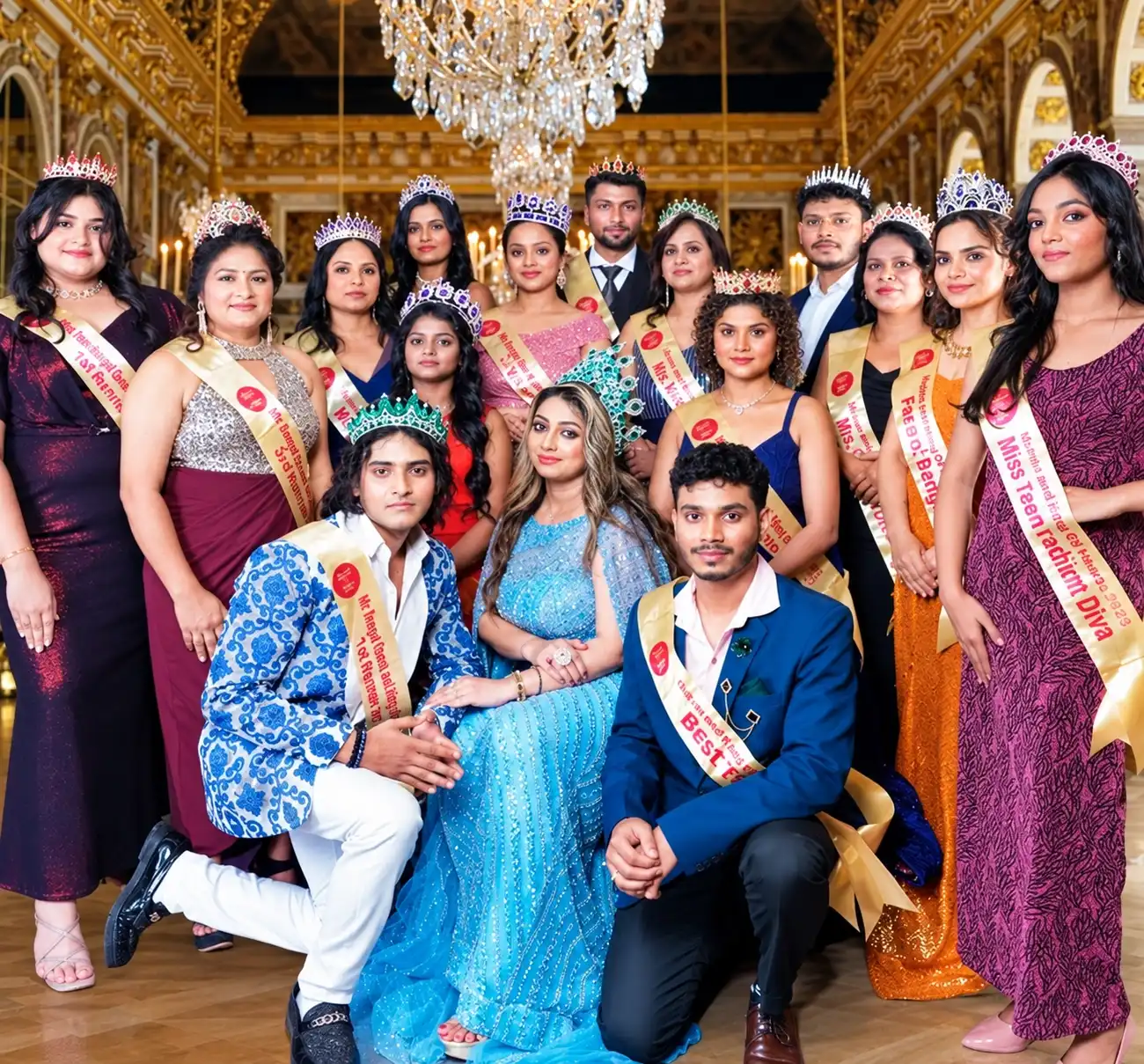
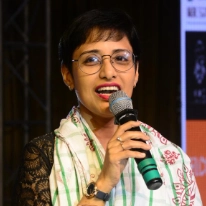
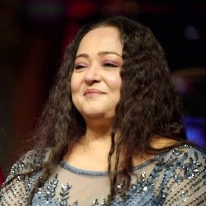
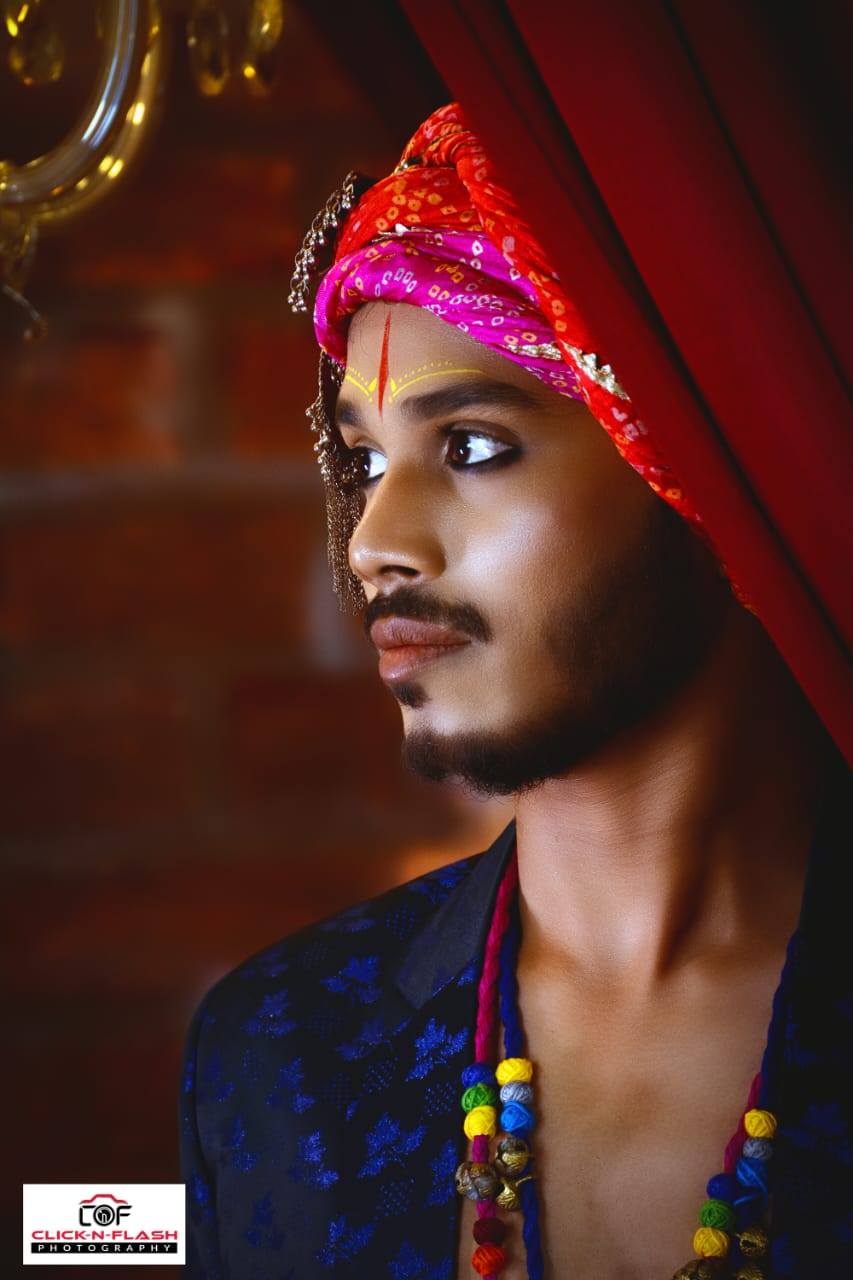
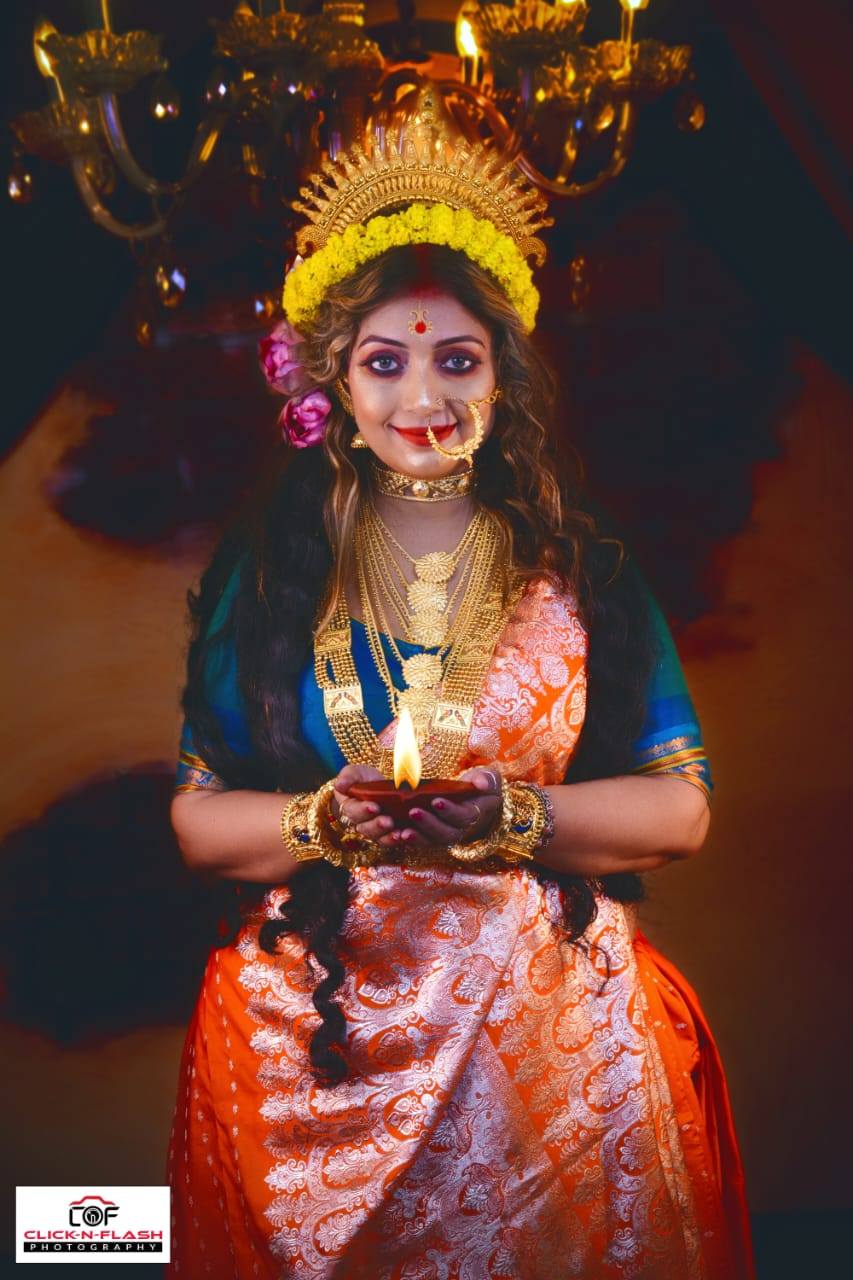
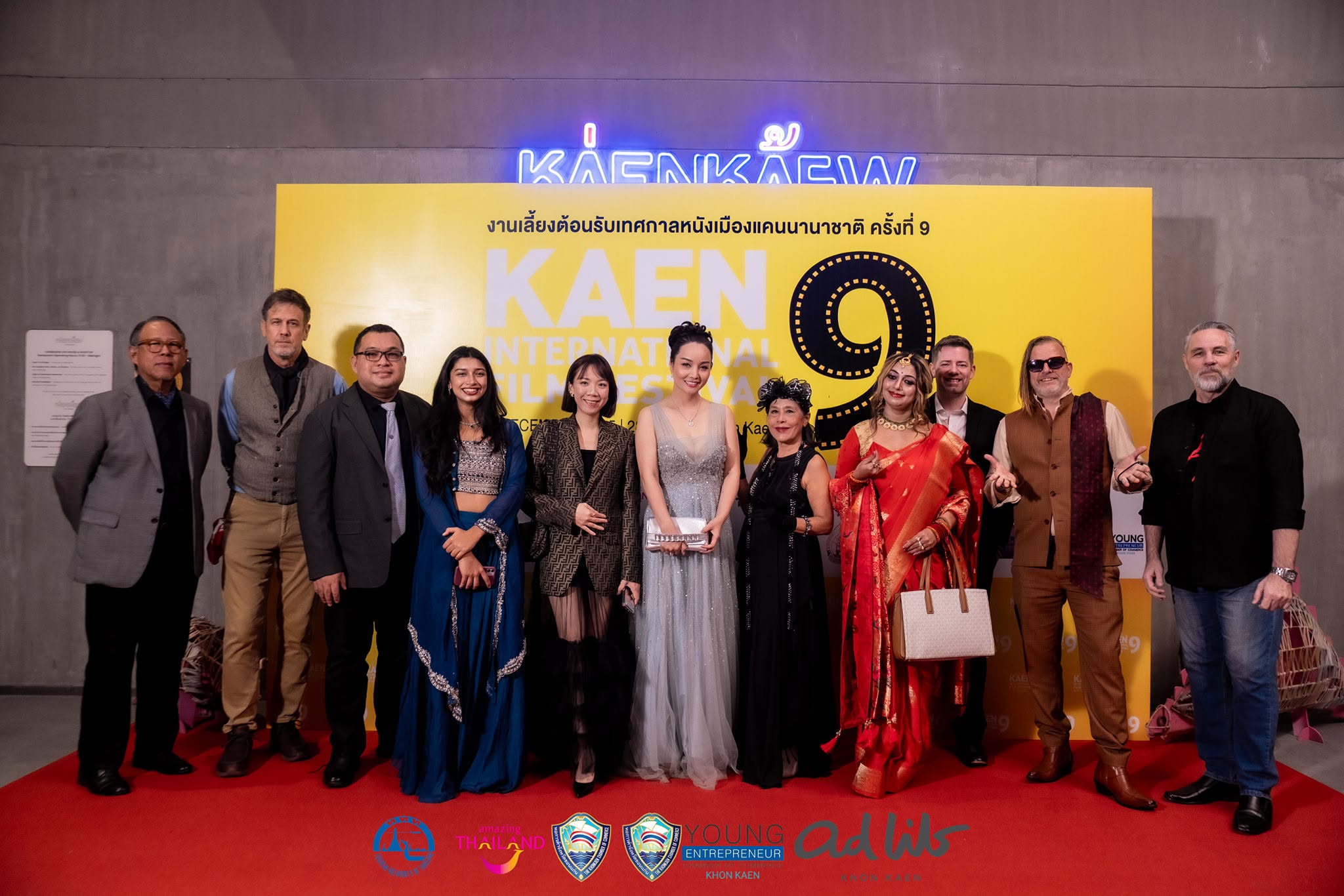
Beauty pageant organising team members, jury panel judges and grooming mentors seated beside the Queen and King of Hearts 2026 stage in Kolkata
Organising Teams

Beauty Pageant Organizing Team: Jury, Mentors, and Organizing Committee

Ask any contestant what they remember most about their pageant, and they rarely say the crown. They talk about the person who taught them to walk without looking at their feet or the judge who asked one question that made them laugh honestly instead of reciting a prepared line. Behind every pageant evening sits a beauty pageant organizing team, and that team decides whether the season feels professional or chaotic, whether a nervous first-timer survives the interview round, and whether the winner walks away with a title or with actual confidence. This page explains who that team is, what each role genuinely does, how scoring works, and what you should do before you sit in front of them. Registrations for the Queen & King of Hearts Beauty Pageant 2026 in Kolkata, across the Miss, Mrs, Mr, Teen, and Kids categories, are open for the season ahead.

Who the beauty pageant organizing team actually is

A pageant is not run by one promoter holding a microphone. It runs on a group of people doing very different jobs, most of them unpaid, and the quality of your experience depends almost entirely on how clearly those jobs are defined. On the Queen & King of Hearts platform, the public-facing side of this work sits on the organizing teams and jury panel pages, where mentors and judges are listed rather than hidden. That transparency matters more than most contestants realize at eighteen or twenty-two years old.

Broadly, a beauty pageant organizing team splits into four groups. The first is leadership: the director, the pageant director, the show director, and the coordinator who holds the season together and answers the messages nobody else answers. The second is creative: judges, mentors, a choreographer, a stylist, and a walk trainer. The third is operations: the registration desk, auditions, backstage runners, technical crew, and the person holding the results. The fourth is the support group most contestants never see at all, made up of parents volunteering with water bottles, sponsors paying for the stage, and media partners deciding whether your finale gets photographed at all.

When you judge whether a pageant organizing team is competent, look for evidence of structure rather than glamour. Does the page name judges with real professional backgrounds? Are mentors listed with the specific kind of work they do, pageant direction, modelling, image consulting, or choreography? Is there a published schedule? Is the registration fee, INR 999, on the public Queen & King of Hearts form described without ambiguity? An organizer who cannot answer a plain question about fees or eligibility in writing will also stumble on the night of your audition, and you will feel that confusion as a contestant.

The tell of a well-run team is boring consistency. The same answers on the website, on the form, and in the WhatsApp group. The same instructions at the audition as on the registration page. A mentor whose advice in March matches the grooming schedule in July. Read the organizing teams page and the jury panel page of any pageant side by side, and you should be able to match every name to a job without guessing.

The jury panel and what judges are really looking for

The jury panel is the part of the beauty pageant organizing team contestants care about most and understand least. Every serious Indian pageant builds its panel from a mix of names: a former titleholder who understands the pressure, a fashion director or choreographer who can judge movement, a photographer or stylist who can judge grooming, a skincare or hair expert for detail rounds, and a public figure or entrepreneur who brings the perspective of somebody actually building a career. The Queen & King of Hearts jury panel page lists its members publicly, which is exactly the practice you should look for in any platform you consider.

What judges score is not beauty alone. Working criteria in Indian pageantry usually cover poise and stage presence, communication and clarity of thought, talent or personal skill, fitness and grooming, and the harder-to-teach quality of substance, which shows up as composure, warmth, and a sense of purpose. A contestant who answers every question in fifty rehearsed words will lose marks on communication no matter how well she walks. A contestant who says one true, specific thing about her work in the community will usually beat a safer, flatter answer.

Panel composition also shapes the round structure. When a choreographer sits on the panel, the talent round carries real weight. When a business figure sits on it, the question and answer round tends to run longer and sharper, because that judge is listening for how you think rather than how you look. The strongest panels are deliberately unbalanced, not in fairness but in perspective, so no contestant can be strong everywhere and weak nowhere.

A fair word about all of this: judging is subjective by nature. Scoring systems in pageantry fall into a few families. Weighted point systems, where each round carries a fixed percentage. Ballot ranking, where each judge orders the contestants. Mention systems, used to narrow a large field quickly. And simple points scored from one to ten per round. Ask the promoter which one applies before you enter, because knowing that interview and runway carry equal thirds, or that talent carries double weight, changes where you spend your preparation hours. On the Queen & King of Hearts pages the honest position stays simple: registration is an application, not a promise of any result, and the same discipline about expectations should govern how you read a scorecard.

Mentors: the half of the team contestants rarely see properly

A judge evaluates you on a fixed night with no time to help. A mentor works with you in the weeks before that night, and this is the most misunderstood role on any beauty pageant organizing team. Mentors on the Queen & King of Hearts platform are listed with designation and organization, one example being Amit Chauhan, listed as Director at the Unity World International Pageant. That kind of specificity is what you should insist on from anyone claiming to be a pageant mentor.

What a good mentor actually does is unglamorous. They fix your walk by drilling hip rotation until it stops being conscious. They tell you your gown color is fighting your skin tone, then help you find one that does not. They sit you down the night before auditions and take apart every answer you memorized, because a rehearsed answer is the fastest way to lose marks in an interview round. They watch you walk in heels across an actual floor and correct the thing you cannot feel yet.

Mentors also manage expectations, which is the least advertised and most valuable part of the job. A contestant with real talent and an impossible deadline needs someone honest enough to say that a rushed wardrobe will cost her the round. Mentors are also the people who tell a parent what is realistic for a kids' or teen category and who notice the contestant being pushed past what she can carry.

So ask mentors practical questions instead of inspirational ones. How many rounds do you attend? Do you work one-to-one or in a group? Is walk training inside the registration fee or billed separately? Have you prepared someone for this specific title? A pageant mentor who answers with clarity and a little candor is worth ten who answer with adjectives.

How the beauty pageant organizing team runs a season

A pageant season has a rhythm, and once you know it, you stop treating every message as an emergency. It begins with announcements and category pages, then opens registration, which on the Queen & King of Hearts platform runs through an online form asking for personal and contact details, physical attributes, an audition location, two mandatory photographs, agreement to the terms, and payment. Published criteria for the adult categories read as an age range of 21 to 48, height of 5 feet and above, no weight bar, open marital status, and any language. Kids and Teen categories carry their own rules and need confirmation directly with the team.

Auditions come next, held city by city. On the Queen & King of Hearts pages, auditions are offered across Kolkata and other locations, which is what makes the platform usable for applicants travelling from outside Bengal. Then comes grooming and training: walk sessions, interview practice, styling, and for the stronger contestants, a photoshoot. After that, the preliminaries and the final night. Results, and then the international gateway that the platform builds its reputation on, where selected winners go on to represent India at pageants, runway shows, and fashion events abroad.

Notice what the organizing team is doing during all of this. It is answering the same question forty times a day in six different languages, holding auditions in cities where the team has no permanent office, and keeping track of which contestant paid, which uploaded the second photograph, and which needs a call because her number stopped working. This is the least glamorous part of a beauty pageant organizing team and the part that decides whether contestants feel respected or processed.

Timeline matters when you plan around it. Registration fees are non-refundable in most pageants, so a season you cannot attend is money you will not see again. Ask for dates in writing, including the audition city, the reporting time, the grooming schedule, and the finale date, and note who you spoke to and when. If you are registering from outside Kolkata, add travel and stay to your budget before you commit rather than after.

How contestants are scored, round by round

Knowing the rounds is the difference between preparing well and preparing hopefully. Most Indian pageants run an introduction or presentation segment, an interview or question and answer round, a talent segment, a costume or evening gown round, and often a fitness or wellness sub-contest. Some platforms add a purpose or social cause round, which increasingly decides the interview component because judges want to hear what a titleholder would actually do with a platform.

Each round exposes something different, so the preparation looks different for each. The presentation round is walk, posture, and the discipline of holding a smile without a fixed stare. The interview round is thinking on your feet under mild pressure, which is why mock question practice beats memorised paragraphs. The talent round rewards having chosen something you can genuinely deliver, whether that is classical dance, regional folk, singing, or a spoken piece, instead of attempting something you have barely rehearsed. The gown round rewards fit, posture and the ability to hold a pose while still looking like a person.

Fewer contestants prepare the interview properly, and that is where most marks are quietly lost. Learn the common pageant questions, know your own answers in three sentences rather than thirty, and practice saying them out loud so the words come out in your own voice on the night. Judges can hear a rehearsed answer instantly, and it reads as fear or as a lack of self-knowledge, both of which cost points in a round you cannot buy your way through.

One more point on scores: never let a scorecard define your self-worth. Pageant judging is a human opinion expressed as a number, which is why a contestant can walk away from a win still feeling unseen and another from an elimination holding two lifelong friendships and a modelling contract. Take the feedback that is specific and actionable, let the rest go, and remember that the same qualities the panel rewards are the ones that get you hired, filmed, and remembered long after the sash comes off.

Choosing a pageant: questions that reveal everything

Before you register with any beauty pageant organising team, ask the questions that separate a professional platform from a photo opportunity. Is the pageant registered as a company, and is the registration fee on the public form? Are judges and mentors named with their roles? Are past winners verifiable, with names you can find elsewhere? Is there a published schedule for auditions, grooming and the finale? Is there a written refund or cancellation policy? Do sponsors exist, and are they named?

Look at the categories too. A serious platform offers distinct titles with distinct criteria rather than one crown everybody shares. Queen & King of Hearts, for instance, lists Miss, Mrs, Mr, Teen and Kids offerings, plus state and city titles such as Miss Kolkata, Miss Bengal, Mrs Bengal and Mr Bengal, so a contestant competes against people in a comparable bracket instead of a mixed-age crowd.

Then check the part nobody advertises. Is the fee inclusive of grooming and training, or are those extra? What happens to your registration fee if auditions are postponed? Is there a written code of conduct for backstage behaviour? Does the team communicate in one place, or across nine disconnected WhatsApp groups? Organisers who answer these before you pay are the organisers who will still answer when you are panicking the night before an audition.

Red flags are easy to spot once you know them. Pressure to pay immediately without reading terms. A celebrity name attached to a pageant with no traceable work. Promises of guaranteed international placement. A fee that keeps growing through unofficial messages. A judge list that is impossible to verify. Any one of these can be innocent; all of them together tell you the beauty pageant organising team is not a team, and your instinct to walk away is correct.

Preparing for your audition with a real team in mind

Preparation is easier when you understand who you are preparing for. If the panel includes a choreographer, walk practice deserves hours. If it includes a business figure, interview practice deserves hours. If it includes a stylist or photographer, grooming details matter more than grand gestures. Ask the team which rounds are weighted and you will know where your time belongs without guessing.

Start with your walk, because it changes the way you carry everything else. Walk in the shoes you will actually wear, on a hard floor, in front of someone who will correct you. Shoulders back, weight centred, chin level, and stop trying to look taller than you are by lifting your shoulders. Then work your walk while talking, because many rounds ask you to introduce yourself and to answer a question while moving, and most contestants cannot do both.

Next, build your interview material. Write down five things you want a judge to know about you: your work, your studies, something you have organised, a cause you care about, a skill you built from nothing. One specific story beats five generalities every time. Practise answers until they sound like speech rather than text, and record yourself once, which is uncomfortable and worth it.

Two habits separate the contestants who enjoy their season from the ones who dread it. The first is asking a question early, however small, instead of carrying the uncertainty for weeks. The second is staying friendly with the contestants around you, because a beauty pageant organising team can only run smoothly when the people in the room are willing to cooperate with each other backstage. Nobody wins alone, and nobody loses alone either.

Finally, sort the practical side. Photograph requirements on the Queen & King of Hearts form are specific, two mandatory images, and photo quality affects how quickly you are processed. Keep your contact details accurate so the team can reach you. Read the terms before agreeing. Arrive early. And if you have a question, ask it before you are standing on stage, not after you leave it.

Why the organising team matters more than the crown

Ask five contestants from five different pageants which moment stayed with them, and you will hear variations of the same answer. It is never the sash. It is the mentor who made them walk properly. The judge who asked about their grandmother's clinic and listened to the whole answer. The coordinator who answered a frantic call at eleven at night the day before auditions. The photographer who showed them a photograph of themselves they had never seen before.

This is why the beauty pageant organising team is the actual product. The crown lasts one evening and comes off backstage. What the team gives you, whether it is a corrected walk, a portfolio photograph, a contact in the industry, or a group of contestants who become your closest friends, keeps working long after the event ends. A pageant organised well is a short course in presence, communication, discipline and styling, and those four things transfer directly to modelling interviews, auditions for other work, university selections, and stage performances of any kind.

Choosing where to spend your registration fee is therefore a choice about teaching, not about status. A platform with named judges, working mentors, published criteria and real international pathways can hand you a year of useful skills for a fee that would buy two hours with a photographer. A platform with none of those things will hand you a few photographs and an evening of borrowed importance.

Queen & King of Hearts 2026 runs registrations across Miss, Mrs, Mr, Teen and Kids categories in Kolkata and other audition locations, with a published eligibility framework, a listed jury and mentor panel, grooming and pageant training, and an international gateway for selected winners. That combination is what a beauty pageant organising team looks like when it takes the job seriously.

Read the jury panel page, read the organising teams page, ask the hard questions, and then register with whoever gave you straight answers. That is the whole method. Everything else is details, and the details are on the page in front of you.

Next step: Review the category details and eligibility criteria for the title you want, complete the registration form with accurate information and two clear photographs, agree to the published terms, and pay through the official channel. Keep your confirmation. Then watch for the audition date for your city.

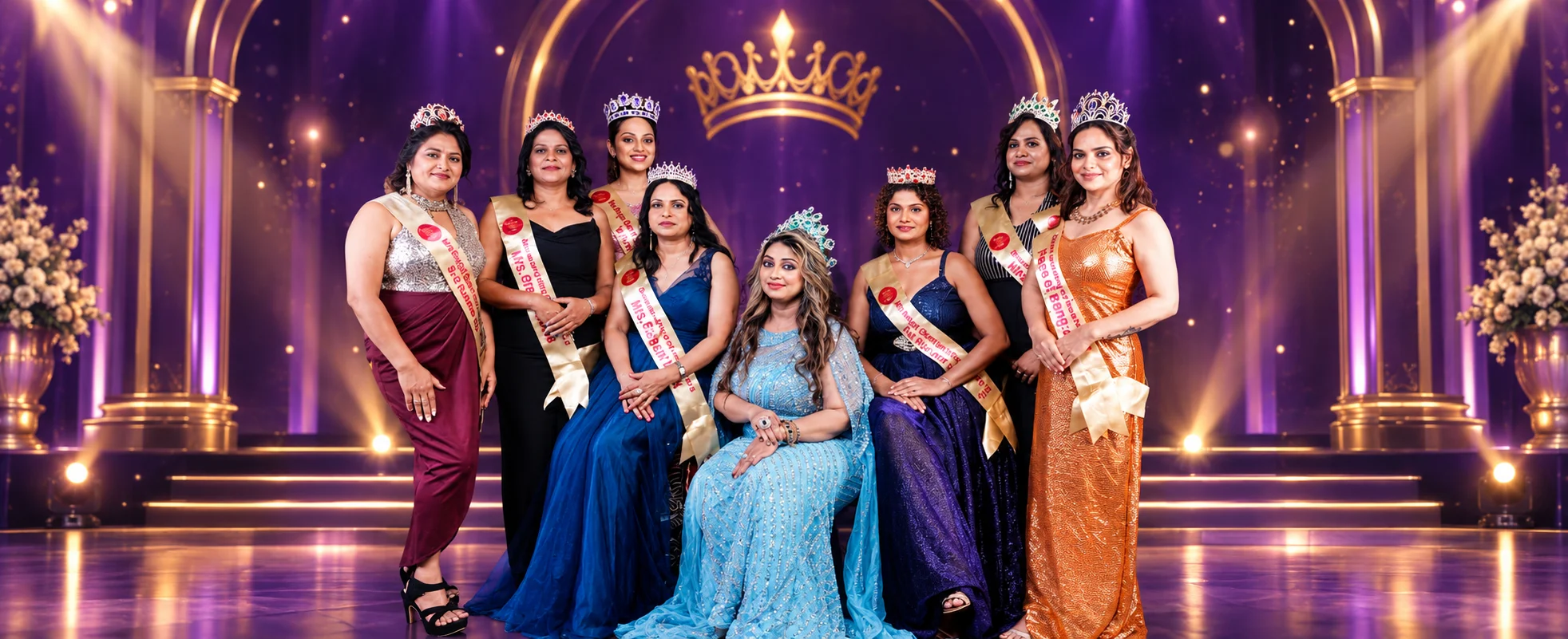
Our Panel

Judges & Mentors

Registrations Open

Queen & King of Hearts
Beauty Pageant 2026

A premium platform for aspiring models and performers. Discover grooming, runway excellence, and global exposure designed to transform confidence into presence.

Apply Now →
Latest Updates

Recent Blogs & Posts

Stay updated with the latest news, stories, and insights from our community.

Need Help?

Frequently Asked Questions

Get answers to your questions about our services & events. We're here to help!

The judge claims by their specificity and their track record. Queen & King of Hearts states that selected winners from its platform have represented India at global pageants, runway shows, and fashion events worldwide, and positions international gateway opportunities as its main differentiator. That kind of claim is checkable: ask which international organizations, in which years, and with which titles, and then look for the winners' own public records. Vague claims, such as guaranteed international placement or guaranteed media coverage, should be treated as marketing rather than fact, and any organizer promising a guaranteed outcome is telling you something unflattering about their process. A realistic outcome list looks like this: a title, a trophy, a verified sash photograph, a certificate, professional training hours, a portfolio shoot where offered, and a genuine pathway described in detail with its conditions. Then judge the fee against that list. If you want to know more about the specific pathway, contact the official team for current guidance.

It happens, but you should know which hat each person is wearing. A mentor has an ongoing relationship with you and gives guidance, often paid through your fee or as a separate service. A judge evaluates you on a fixed night and should not be coaching you in the same competition, because that is a conflict of interest. Some platforms deliberately keep those roles separate, and Queen & King of Hearts lists mentors and jury panel members as distinct public pages. Where the same name appears on both, ask the organizer directly about the separation of roles and how scoring independence is maintained. The practical reason it matters is simple: a mentor who knows your history can help you present honestly, and a judge who has coached you cannot be impartial. If you are unsure, ask whether scoring decisions are made collectively by the panel and whether judges are scored against published criteria. An organizer who answers that question clearly is one you can trust with your season.

Usually the registration process requires photographs for the file, and those two mandatory images on the Queen & King of Hearts form are administrative, not portfolio work. Real portfolio photography, with proper lighting, styling, and retouching, is usually a separate service arranged by the pageant or by an independent photographer, and sometimes it is bundled with grooming. The distinction matters more than it sounds. Administrative photographs are for identification and processing. Portfolio photographs are for agencies, casting directors, designers, and your own confidence, and they need proper lighting rather than a phone in a hotel room. If a pageant includes a shoot, ask how many looks you receive, whether retouching is included, whether you own the images, and how quickly they are delivered. Contests shot for social media are not portfolio images. If you are serious about modelling beyond the pageant, budget for one proper shoot and keep the file forever, because it will still be working for you when the season ends.

Ask this specifically, because the answer determines both your budget and your score. Many pageants include a group grooming session for all registered contestants, which is often the most valuable part of the fee, and offer one-to-one work as an optional paid extra. Queen & King of Hearts promotes professional pageant and personality training alongside its contestant journey, with categories providing information on training schedules when you register. A contestant who skips the group sessions usually loses marks in the presentation round, because walking is a skill built by repetition rather than intuition. A contestant who needs one-to-one coaching and refuses it usually loses the same marks for the same reason. So treat training as an investment with a measurable return rather than a line item. If money is tight, ask the team which group sessions are compulsory and prioritize those, then spend what remains on interview practice and your walk at home, which needs only a hard floor and honest feedback.

A mentor works with you before audition night, which is what separates them from a judge. In practice that means drilling your walk until the hip rotation stops being conscious, reviewing your interview answers the evening before and removing the rehearsed parts, checking that your gown color and styling suit you, and being honest when your wardrobe is not ready. Queen & King of Hearts lists its mentors with designation and organization, including Amit Chauhan, listed as Director at Unity World International Pageant, which is the level of specificity you should expect from anyone claiming to be a pageant mentor. The second half of the job is harder to advertise: managing expectations, telling a parent what is realistic for a child category, and noticing the contestant being pushed past what she can handle. When you assess a mentor, ask how many rounds they attend, whether they work one-to-one or in groups, what is included in your fee, and whether they have prepared someone for your specific title.

Sometimes, and it depends entirely on the organizer's schedule. In most pageants a category change is possible before auditions close because the bracket has not been finalized. After auditions, when brackets are set, judges are assigned, and slots are booked, a change becomes difficult or impossible, and the fee difference may not be refunded. If you think you have chosen wrongly, ask the moment you realize, in writing, and state the reason plainly without apologizing at length. Teams that are organized will tell you exactly what is possible and what it costs, because their own schedule depends on accurate lists. A change made in the same week as registration is usually painless. A change made the day before the audition is a gamble with your fee and your preparation. If you are genuinely torn between two categories, register for the one where your eligibility is clearest and ask the team about the alternative before committing to grooming or wardrobe spending, since that is where the money actually goes.

Less than most applicants expect, but the required items are strict. The Queen & King of Hearts form asks for personal and contact information, physical attributes, an audition location, two mandatory photographs, agreement to the terms, and payment. In practice you need an accurate phone number you actually check, an email you read, date of birth details that match how you will be identified on the day, two clear photographs that meet the stated requirement, and a payment method through the official channel. Consent documentation and guardian details matter for the Kids and Teen categories. Keep the submitted information and your payment confirmation in a folder, because you will be asked to correct something eventually, and having the original saves a week of messages. Do not send extra sensitive information, such as identity documents, unless the official form or the team specifically requests it. If you are uncertain about a photograph, an audition city, or a category point, pause and ask before submitting. Speed matters less than a record you can stand behind.

They differ in almost every practical respect. A parent or guardian registers on the child's behalf and provides consent, and the age rules, height guidance, photograph requirements, audition arrangements, and fee are usually published separately for each group because a five-year-old and a sixteen-year-old are not competing on the same terms. The Queen & King of Hearts lists kids' and teen offerings alongside the adult titles and states that category-specific criteria should be confirmed directly with the team. What changes for you as a parent: supervision at the audition, medical or emergency information the organiser needs, the length of the child's day, and what the title actually involves afterwards. What changes for the child: shorter preparation, more play, less pressure. The best teams in this category are explicit about all of it, and a parent who cannot get clear answers about consent, attendance, and photographs should wait rather than register on optimism. A child contestant should be a memorable experience, not a rushed one.

The public Queen & King of Hearts registration page lists criteria for its adult categories as an age range of 21 to 48, height of 5 feet and above, no weight bar, open marital status, and any language. Treat those as the published baseline for that platform and verify them for your category and current cycle, because general information does not settle an individual applicant's case. Across the wider industry, adult pageants commonly specify an age range, sometimes a minimum height, often no weight requirement, and a marital status condition for married-women titles such as Mrs. titles. Two things are worth noticing in that list. The absence of a weight bar is deliberate, because this industry has largely moved away from weight-based eligibility. And a wide language and marital status policy signals a pageant trying to include more applicants rather than fewer. If any published point creates doubt for you, contact the official team before paying. They can confirm in one message what a website summary will leave you guessing about for weeks.

Yes, because the category decides your bracket, your audition slot, your eligibility check, and your fee. Queen & King of Hearts publishes separate category pages for Miss, Mrs, Mr, Teen, and Kids, along with city and state titles such as Miss Kolkata, Miss Bengal, Mrs Bengal, and Mr Bengal, and each page carries its own eligibility details, dates, and training information. Read the page for your specific title rather than the general one, because the general criteria do not override category-specific rules. Confirm with the team if your age, marital status, height, or category preference sits close to a published boundary, since borderline cases are exactly where assumptions cause problems. And be honest about which category you belong to. Entering an adult bracket to avoid a teen rule saves you nothing and risks disqualification later, when the discovery costs you the whole season plus your fee. Choose the title you actually qualify for, then compete hard in it.

Fair is not the same as predictable, and this is where contestants spend a lot of unnecessary anger. Pageant judging is human judgement expressed as numbers, which means taste is involved no matter how carefully criteria are written. Weighted scoring, ballot ranking, mention systems, and points all contain a judge's preference, which is why final results sometimes surprise both the panel and the audience. What a well-run pageant can and should guarantee is process: published criteria, a named panel, a consistent scoring method, and decisions made by the panel rather than by the promoter's preference. Queen & King of Hearts takes the position that registration is an application and does not promise selection, a title, recognition, or a particular outcome, and reading that line carefully is a useful habit for every applicant. Practically, this means protecting your self-worth from the scorecard, taking only the feedback that is specific enough to act on, and judging future pageants by whether their published process was honored.

Because it usually does carry substantial weight, and because it is the one round you cannot buy your way through. Appearance is visible in the first five seconds and is largely decided before you walk. Communication is judged over several minutes by a panel that has nothing else to look at, and it rewards exactly the things pageants claim to value: intelligence, warmth, composure, and the ability to think under mild pressure. Judges consistently describe the same failure pattern: long rehearsed answers that sound like text, claims that cannot be followed up, and contestants who lose the room by trying too hard to impress it. The contestants who do well treat the interview as a conversation about their own life. They know five things about themselves in enough detail to discuss from any angle, they keep answers short enough to land, and they accept that a pause is better than a filler. Practise speaking your answers out loud until they sound like speech. Recording yourself once is uncomfortable and changes your preparation more than any amount of reading.

Usually they know your name, your category, and whatever your registration form told them. That form on the Queen & King of Hearts platform asks for personal and contact information, physical attributes, an audition location, two mandatory photographs, agreement to the terms, and payment, so the panel has a written snapshot before you appear. This works for you only if that snapshot is accurate and interesting. A form filled with placeholder answers gives a judge nothing to ask about, and a form that oversells gives them a question designed to puncture it. So write a short, real introduction: what you do, what you have built, and what you care about. Then make sure your spoken introduction says roughly the same thing. The gap between the form and your stage presence is where nervous contestants get caught, because a judge who read one version of you and meets another assumes the first was invented. Bring your own facts, keep them modest, and let the panel find something worth asking about.

It can influence how a judge perceives you in ways neither you nor the organizer controls, because memory fades and attention drifts across a long evening. Early slots are usually watched with fresh energy, and later slots arrive to tired judges, though strong performance can overcome either position. There is no accepted rule in this industry that early or late is better, and any promoter claiming a guaranteed advantage is inventing one. What you can control is recovery. If you watch other contestants before your turn, notice what the judges are responding to, what the round actually asks for, and whether the pace has changed. Then give yourself a reset before you walk. Contestants who treat their slot as a clean, independent ninety seconds tend to perform better than the ones still reacting to the person who went before them. Watch the round rather than the audience, and remember that auditions and preliminaries are usually judged as a whole field rather than sequence by sequence.

Judges score against published criteria, which in Indian pageantry usually cover poise and stage presence, communication and clarity of thought, talent or personal skill, fitness and grooming, and substance, meaning composure, warmth, and purpose. Individual judges often specialize: a choreographer judging movement, a stylist judging grooming, a photographer judging visual presentation, and a business or public figure judging how you think. Scoring methods vary: weighted systems where each round carries a fixed percentage, ballot ranking where judges order contestants, mention systems for narrowing large fields, and simple points from one to ten per round. Panel composition shapes the round structure, so a panel heavy on choreographers makes talent round decisive, while a panel with a business leader pushes weight onto the interview. The thing most contestants misunderstand is that judges are looking for someone who can do the job and appears genuine, not someone performing a version of themselves. Confidence, clarity, and authenticity are consistently the qualities juries describe when they explain a result.

It varies by platform, and the answer should be published. The common pattern is audition, then grooming and training, then preliminaries or a semi-final, then the finale with the title rounds. Queen & King of Hearts runs auditions followed by training and a full finale sequence, with a jury panel evaluating contestants across the season. What you need beyond the count is the structure of the finale itself: which rounds are scored, whether each round carries equal weight, whether talent is compulsory, and whether a social cause or purpose component exists. Some pageants also hold a separate sub-contest with its own title, judged by a panel chosen specifically for that round, which is a genuine opportunity and not a consolation prize. Ask for the round breakdown in writing and keep it with your registration papers. Contesters who arrive knowing the format spend their preparation time productively, while the ones who assumed a format usually prepare for rounds that do not exist.

Usually there is a provision for a late arrival within the same day's queue, and usually it is not free in terms of time, because slots are scheduled and other contestants are waiting behind you. What you cannot count on is a personal relayout weeks later. The reliable move is prevention: register early, read the confirmation, note the reporting time in two places, and treat the audition time as a deadline rather than a suggestion. If you are going to miss it, call or message the official contact the moment you know, not after you arrive at the venue, and explain plainly. Organizers are more forgiving about a genuine delay announced in advance than about an absence they discovered at closing time. And if a pageant has no published process for a missed slot at all, that is useful information about how the rest of its season will be run, and it belongs in your decision about whether to register at all.

Yes, pageants in India commonly hold auditions across multiple cities, and this is exactly why platforms publish an audition location field on the registration form. The Queen & King of Hearts lists audition locations, including Kolkata and other cities, so applicants from outside Bengal can apply without relocating for months. The practical questions are travel cost, reporting time, whether a late arrival disqualifies you, and whether the team can reschedule you if your travel is disrupted. Some pageants run a single audition date per city with strict reporting times, and a contestant fifteen minutes late can be marked absent. Others allow a rolling queue with numbers issued in order. Confirm the reporting time in writing, plan to arrive an hour early, and carry a printed copy of your registration details and photographs in case the office copy is delayed. If a city is far, weigh the odds honestly: the same fee applies, but travel and fatigue are real costs, and being exhausted in an interview round is self-inflicted.

Earlier than most people think. Registration usually opens weeks or even a couple of months before auditions, and the early period is when a contestant can still source footwear, get a wardrobe made, and start walk training with enough repetitions to change her body rather than improvise on the day. Registering in the final week means buying a gown the same week and walking into a walk session with no foundation underneath it. If you are outside your audition city, add a week for travel and stay. The exception is a late registration window opened by the organizers themselves, which usually means they need contestants to fill brackets. Registering early does not secure a place, since selection is judged, but it buys you preparation time, and preparation time is the one variable you actually control. It also means you can ask questions early and get answers before you have committed money, which is a much better conversation to be having.

The route usually runs: announce categories, open registration, hold auditions in one or more cities, run grooming and training, hold preliminaries or a semi-final, conduct the finale, announce results, and then hand selected winners into whatever international pathway the platform claims. Queen & King of Hearts follows this shape for 2026, with Miss, Mrs, Mr, Teen, and Kids categories; auditions offered in Kolkata and other locations; professional pageant and personality training; and an international gateway for winners who go on to represent India. Where contestants get hurt is not the route itself but the missing detail inside each step. Before you register, ask what happens between registration and audition, whether grooming is compulsory or optional, how many contestants advance, and who decides the finalists. Ask also what happens if you cannot attend your audition city, whether a second city is allowed, and what the reporting time means in practice. A timeline you can picture on a calendar is worth more than a brochure, because pageant seasons are short and the audition date is the one thing you cannot recover once it passes.

Usually each category is registered and paid for separately, because each one has its own audition, its own judging bracket, and its own title. That is normal and not a red flag. What matters is whether the organizer clearly states what you get for the second entry, whether you must attend a separate audition, and whether you can drop a category later and recover part of the fee. Some pageants allow a contestant to enter one national-level title plus one state or city title in the same season; others restrict multiple entries. Competing in several brackets also splits your grooming budget and your rehearsal time, which is a cost that never appears on a website. If you are considering two entries, run the numbers honestly: two fees, one wardrobe, one mentor's schedule, and one version of your interview story. Contestants who win two titles rarely do it by training twice as hard. They do it by choosing carefully.

Most hidden charges are not stated as charges. They appear as separate services that sound optional until the schedule makes them compulsory. Common examples are compulsory photography packages, a mandatory grooming kit, a participation or processing fee discovered after you pass an audition, or an optional-looking tick box that the form treats as required. The defense is unglamorous and effective: read every field of the form, tick nothing you do not understand, and compare the fee breakdown against the payment page before you submit. Check that the website gives you a company name, a contact route, and terms that reference the same entity. If the payment instruction arrives on a separate messaging app from someone you have never spoken to about the pageant, stop and confirm through the official contact. Queen & King of Hearts publishes its fee and required form fields on its registration page, which is the standard every organizer should hold. Silence about money is itself an answer.

Because the fee is the entry cost, not the cost of being ready. A contestant who arrives with no walk training, no suitable wardrobe, no grooming support and no idea how to answer an interview will pay for all of it later, either to the pageant or to someone working independently. The real total for a competitive season commonly includes walk training sessions, a gown or costume, hair and makeup for the audition and the finale, footwear you can actually walk in, and photography. Contestants who prepare early spend less because they buy fewer panic purchases. Money saved by asking the organising team what the rounds require is money saved twice. Budget for the essentials first, walk training and interview practice, then decide whether the rest is something you can source yourself. A pageant organiser who is honest about the additional requirements is helping you plan. One who stays quiet about them until after you have paid is selling you a spot, not a preparation.

This varies more than most advertisers admit. Some pageants offer a rescheduled audition without refund because the entry carries over to the new date. Others offer a partial credit or a full refund when the organiser cancels. A few offer nothing at all, and that is the risk you accept by paying. The honest answer is that the refund policy is not standard in this industry, which means you must ask rather than assume. Send one clear message naming the amount you paid, the date, and the question, then keep the reply. If a postponement happens, respond quickly, because organisers often need to close a list to finalise auditions and rooms, and late replies miss that window. If you paid directly into an account rather than through an official channel, the recovery options are far weaker, which is a good reason to always pay the way the pageant tells you to and never through a number a contestant sends you privately. Judge the answer you get as much as the policy itself.

The registration fee usually covers your entry into one category, your audition slot, access to the pageant season, and entry to the finale. It does not automatically include everything a contestant usually wants, and this is where most first-time applicants get surprised. Walk training, personal grooming sessions, wardrobe, styling, makeup, and portfolio photographs are often billed separately or arranged by the mentor at cost. The published Queen & King of Hearts form lists an INR 999 registration fee and asks for personal and contact details, physical attributes, an audition location, two mandatory photographs, agreement to the terms, and payment. Before you pay, ask the team directly in writing which of the following are inside the fee: grooming classes, walk training, styling, photography, and the finale ticket for family. Ask for the answer in the same message thread where you will later ask for other things, so you have a record. A team that cannot list inclusions clearly is a team that will ask for more money later, and a small registration fee is not a reason to accept vague terms.