
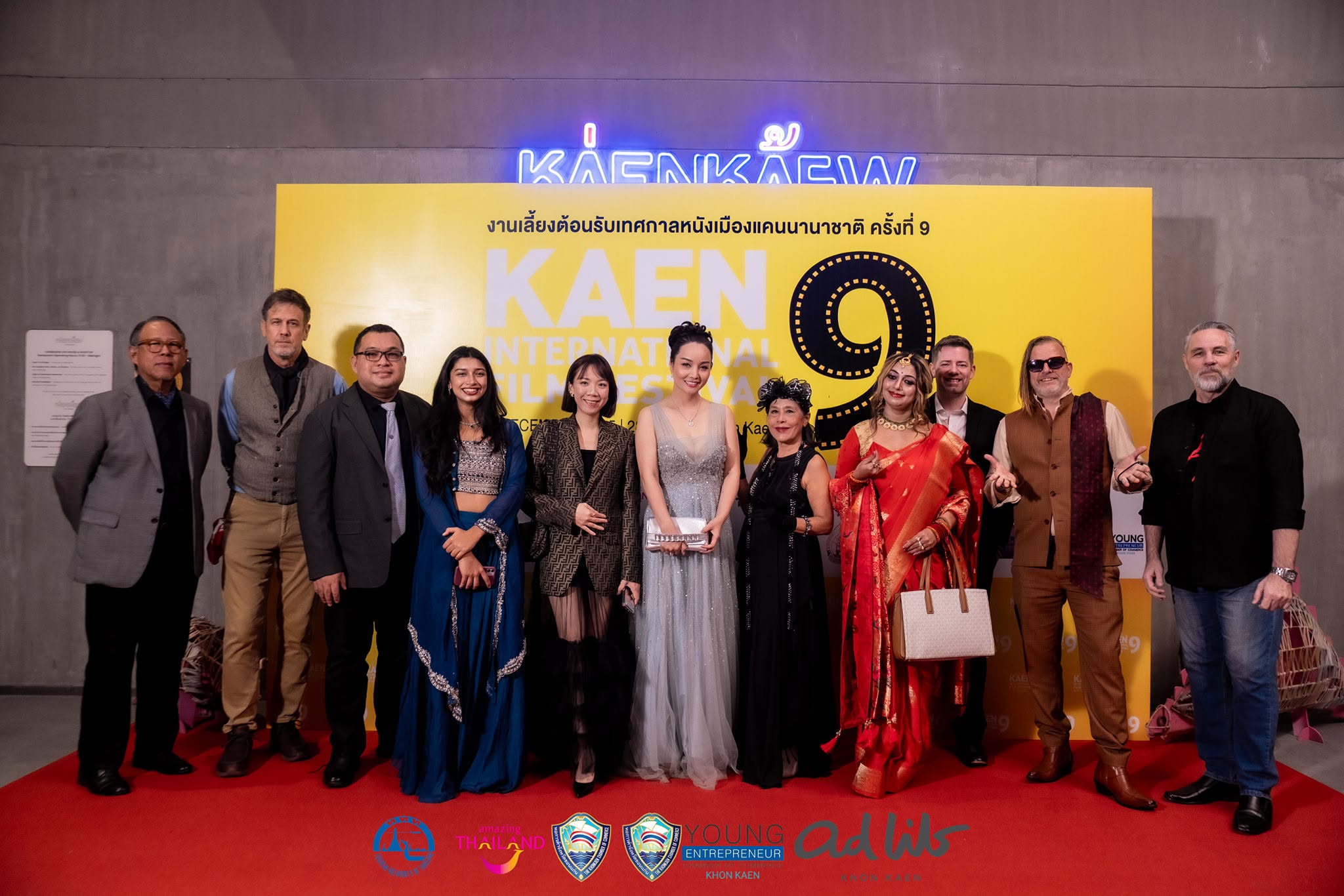

Facial Scrub is herbal treatment that makes your face skin smooth and refresh

ageants are about much more than beauty. They celebrate confidence, personality, communication, intelligence, grace, and the ability to make a positive impression. While contestants often spend considerable time preparing their wardrobe, talent, and answers, grooming is another important part of pageant preparation. The right grooming routine can help a contestant feel comfortable with her appearance, carry herself with confidence, and present her personality more effectively. But grooming is not simply about makeup, hairstyles, or fashionable clothing. True pageant grooming is about developing a complete and confident personal presentation.
Pageant grooming refers to the preparation that helps a contestant present herself confidently and professionally throughout a competition.
It can include:
The objective is not to completely change someone's appearance. Instead, grooming helps contestants understand their strengths and present themselves at their best.
In a pageant, first impressions can happen within seconds.
The way a contestant enters a room, walks onto a stage, smiles, makes eye contact, and interacts with others can immediately communicate confidence and personality.
Well-planned grooming helps create a polished appearance that supports this first impression.
However, an impressive appearance alone is not enough. It should work together with:
Appearance + Posture + Expression + Communication = Strong Personal Presence
When these elements complement one another, a contestant can appear more composed and self-assured.
One of the simplest psychological benefits of grooming is feeling prepared.
When contestants know that their hair, outfit, makeup, skincare, and overall appearance are under control, they have fewer things to worry about before walking onto the stage.
This can allow them to focus more on:
Preparation reduces uncertainty, and reduced uncertainty can make it easier to feel confident.
Good grooming is not about following every beauty trend.
It begins with understanding what works for you.
Different contestants have different facial features, body structures, skin types, hairstyles, personalities, and personal styles.
Professional grooming can help contestants identify:
This awareness helps contestants stop comparing themselves constantly with others.
Instead of trying to look like someone else, they can learn how to present their own identity with confidence.
Confidence is not communicated through words alone.
Body language plays a major role in pageant presentation.
A confident posture generally includes:
Practising these elements repeatedly can make confident body language feel more natural.
Eventually, the contestant does not have to consciously think about every movement. It becomes part of her stage presence.
A pageant stage can feel very different from an ordinary environment.
Bright lights, large audiences, cameras, judges, music, and other contestants can create pressure.
Regular grooming and presentation practice can help contestants become more comfortable being seen.
Walking practice, posture training, facial-expression exercises, and styling rehearsals can help contestants understand how they appear from an audience's perspective.
This familiarity can make stage situations feel less intimidating.
A contestant may have an elegant appearance, but confidence becomes much more noticeable when she speaks.
Pageant grooming should therefore extend beyond physical appearance to include communication and personality development.
Contestants can practise:
The goal is not to memorize complicated answers.
The goal is to communicate ideas clearly, naturally, and confidently.
Feeling nervous before a pageant is completely normal.
Even experienced contestants can experience stage anxiety.
A structured grooming and preparation routine can create a sense of familiarity. When contestants repeatedly practise their walk, styling, introduction, interview skills, and stage presentation, the actual competition environment may feel less unfamiliar.
A simple routine can include:
Prepare → Practise → Review → Improve → Repeat
With consistent practice, confidence becomes less dependent on last-minute motivation and more connected to preparation.
Pageants are competitive environments, but contestants do not have to lose their individuality to stand out.
In fact, a strong personal identity can make a contestant more memorable.
Grooming can help develop a personal style that reflects:
The objective should be enhancement rather than transformation.
A contestant should still feel like herself when she looks in the mirror.
Confidence is often associated with natural charisma, but preparation plays an equally important role.
Maintaining a grooming routine teaches contestants discipline and consistency.
This can include:
These habits can benefit contestants not only during pageants but also in professional and social situations.
Perhaps the most important lesson is that grooming should support confidence, not define it.
A contestant's worth does not depend on having perfect skin, a particular body type, expensive clothing, or flawless makeup.
Authentic confidence develops when contestants understand their strengths, accept their individuality, and learn how to communicate their personality effectively.
The best grooming training therefore combines external presentation with internal development.
She is the person who can walk onto the stage, remain composed, communicate clearly, and confidently be herself.
A simple grooming routine can be divided into five areas:
Maintain consistent skincare, hair care, hygiene, and overall personal cleanliness.
Learn how to choose clothing, accessories, hairstyles, and makeup appropriate for different pageant events.
Practise posture, walking, gestures, facial expressions, and eye contact.
Develop speaking skills, interview techniques, vocabulary, listening skills, and conversational confidence.
Practise mindfulness, positive self-talk, visualization, and techniques for managing stage nervousness.
When these five areas work together, grooming becomes much more than looking polished—it becomes a confidence-building process.
The benefits of pageant grooming can extend far beyond the competition.
The ability to present yourself confidently can help in:
A pageant may last for a few hours, but the confidence and communication skills developed during preparation can remain valuable for years.
Grooming plays an important role in pageant preparation because it brings together appearance, confidence, communication, posture, discipline, and personality.
The purpose of grooming is not to create a perfect contestant. It is to help each contestant discover how she can present herself with greater confidence and authenticity.
When a contestant feels prepared, understands her personal style, communicates clearly, and carries herself with poise, her confidence becomes visible.
The crown may recognize the winner, but confidence helps a contestant own the stage.
A premium platform for aspiring models and performers. Discover grooming, runway excellence, and global exposure designed to transform confidence into presence.
Apply Now →
Answers to common questions about auditions, registration, grooming, and international opportunities.
Grooming helps contestants improve their overall presentation, including appearance, posture, communication, stage presence, and personal style. It can also help them feel more prepared and confident.
No. Pageant grooming includes much more than physical appearance. It can involve skincare, styling, posture, walking, communication, etiquette, body language, interview preparation, and personality development.
Yes. Consistent grooming and presentation practice can help contestants become more comfortable with their appearance and performance. Feeling prepared can contribute significantly to confidence.
Practise your walk, posture, facial expressions, eye contact, gestures, and transitions. Recording practice sessions can also help you identify areas for improvement.
Communication is extremely important because contestants may participate in interviews, question-and-answer rounds, introductions, and interactions with judges or audiences. Clear and authentic communication can strengthen overall presentation.
Not necessarily. Trends can provide inspiration, but your grooming choices should complement your features and personality. A polished and authentic appearance is generally more effective than simply following a trend.
It is better to start several weeks or months before the competition, depending on your experience and preparation needs. This provides enough time to practise presentation, communication, styling, and stage skills without relying on last-minute preparation.
Absolutely. Skills such as communication, posture, personal presentation, confidence, discipline, and public speaking can be useful in education, careers, networking, modelling, media, and everyday life.
Grooming primarily focuses on personal presentation and professional appearance, while personality development focuses more broadly on communication, confidence, behaviour, mindset, interpersonal skills, and self-awareness. Together, they create a stronger overall presence.
There is no single most important element. The strongest preparation combines personal presentation, communication, body language, stage presence, and authentic confidence.