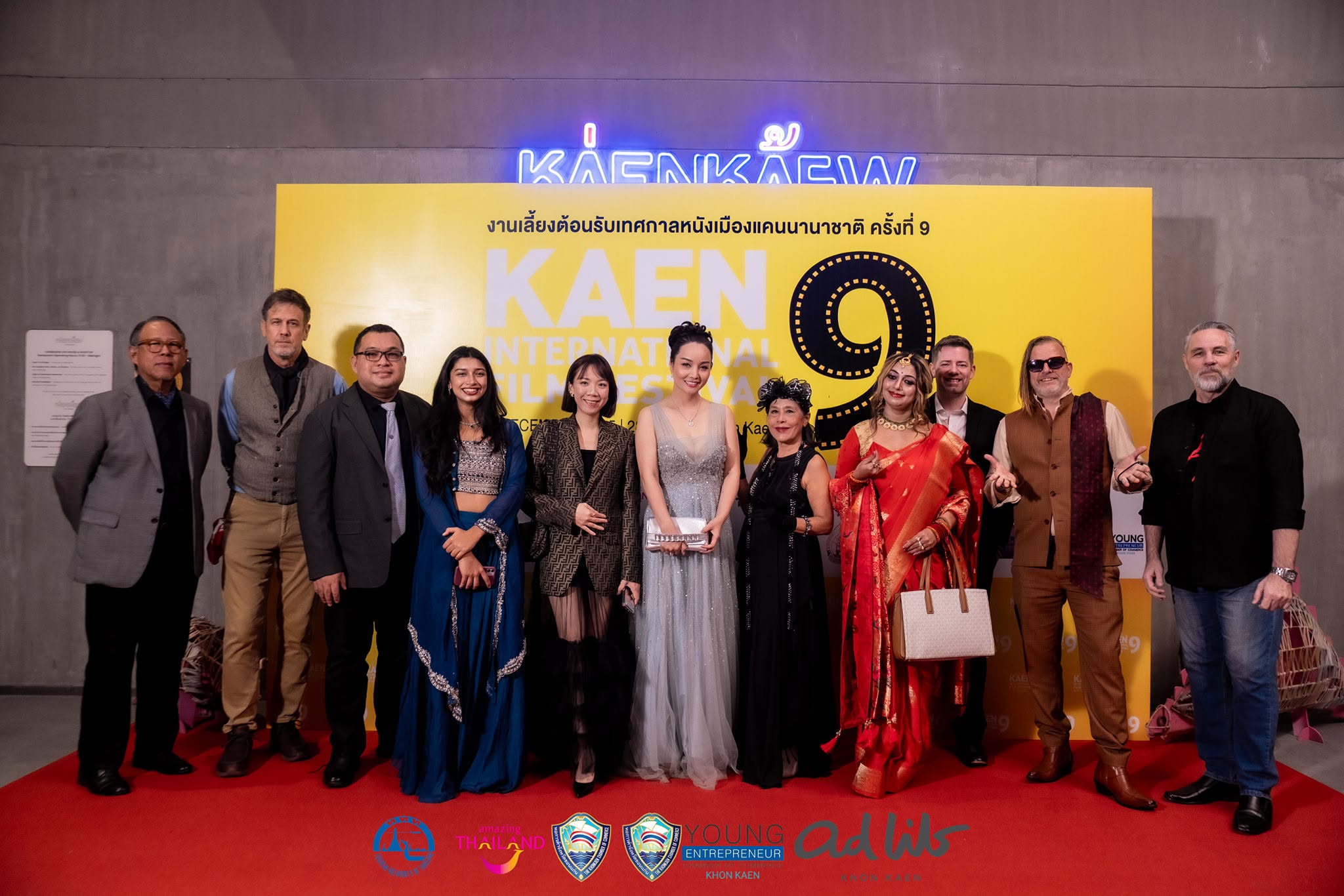
How Grooming Builds Confidence in Pageants
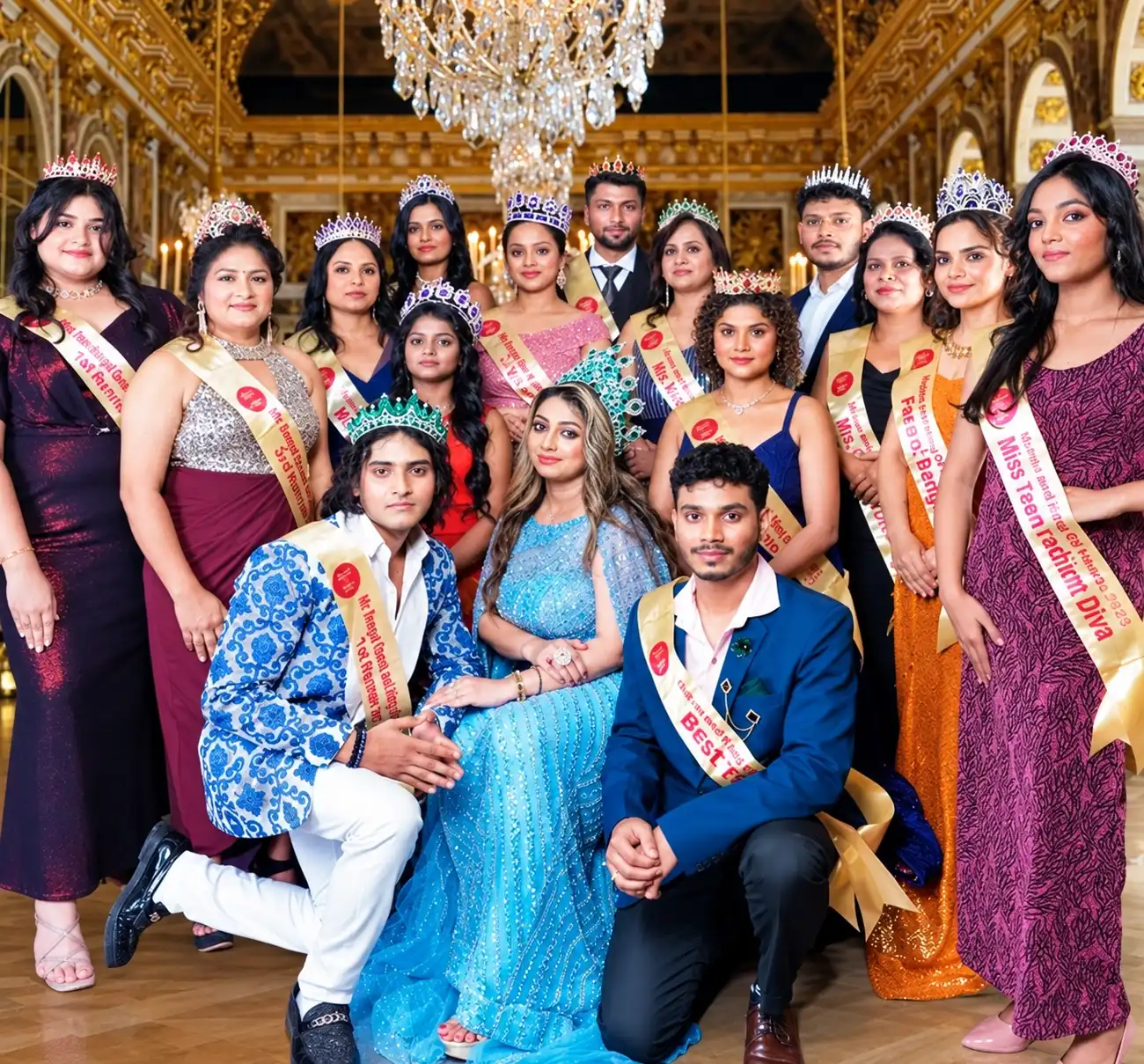
Pageants are about much more than beauty. They celebrate confidence, personality, communication, intelligence, grace, and the ability to make a positive impression. While contes...
Most pageant mission pages are three paragraphs long, and every one of them says the same thing. Confidence, elegance, purpose, and a platform to shine. You have read those pages already, and they tell you nothing you could not have guessed from the word pageant. Our beauty pageant mission is worth your time because it answers harder questions than that. What actually happens to a contestant between registration and the finale? Which specific skills get built? Who they suit. And what we expect from you in return, because a mission nobody measures is just a slogan with good lighting.
Queen & King of Hearts is a beauty pageant platform from Kolkata, West Bengal, built for aspiring models and performers who want more than a title they cannot use anywhere. The 2026 edition runs across Miss, Mrs., Mr., Teen, and Kids categories, and every one of them sits inside the same promise: grooming, runway excellence, and real exposure that turn confidence into presence. Presence is the thing a camera cannot teach and a trophy cannot prove. It is the ability to walk into a room, be looked at, and stay yourself while that happens.
Here is the short version of where we come from. India has thousands of pageants. Most of them run a single evening, take a registration fee, hand out sashes, and send contestants home with a photograph and a certificate. A handful do more, and a few genuinely do a great deal. Between those two groups sits a large, unmapped middle where good intentions meet thin programming. That gap is the reason this page exists. We built the kind of pageant we could not find when we were looking for one, and then we wrote down exactly how it works so that anyone can hold us to it.
Ask a pageant organizer what their pageant stands for, and you will usually get a single sentence. That is not enough, because a contestant is not joining a brand. She is handing over weeks of her time, a fee, and a slice of her own confidence to strangers who will judge her in front of everyone she knows. A mission is the promise that this trade is worth making. Without one, the whole thing collapses into a beauty contest with a dance number, and the contestant is the product.
Our answer is narrow and specific. We exist to build stage presence and professional readiness in people who have never had either. Not for a trophy. The trophy is a by-product. What we actually produce is a person who can hold an audience, sit through a client meeting, walk into a camera test, and speak without apologizing for taking up space. That skill travels. It outlasts the competition season, and it does not expire when the sashes come off.
Three commitments sit underneath everything on this page. The first is that training happens before judging, never after, so that a contestant is never scored on raw luck. The second is that categories are judged on the strength of their own criteria, which is why a Mrs. category and a Kids category cannot be compared to each other even by accident. The third is that our grooming and runway work is designed to be useful outside the pageant, because the only real measure of a good pageant is what its contestants are like six months later.
You can hold us to those three. If a future season of Queen & King of Hearts ever skips pre-event training to save time, we will have broken the first one. If the judging criteria for a Teen category end up identical to a Miss category, the second is gone. And if the useful, transferable part of the training is quietly removed to make a schedule look tighter, that is the third. Write the commitments down if you like. We have.
Premium is overused in this industry, so it deserves a definition instead of an adjective. For us it means the unglamorous parts are not skipped. A contestant who registers with us spends her preparation weeks learning things she could pick up in ten minutes, in a group, from a stranger. That is not premium. Premium is running the session twice because she was not ready the first time. It is having a stylist who knows what a camera lens does to a face and a ramp coach who corrects your shoulder line once more after you think you have it.
It also means the person standing behind you stays after the applause. Many contestants arrive from cities where nobody has heard of the pageant, register alone, travel alone, and go home to a house where nobody fully understands what they just did. A platform that treats that as normal is not premium. It is cheap. Our approach is built around continuity of support so that a contestant from Siliguri or Ranchi does not feel like a guest dropped into a process designed for Kolkata addresses.
Concretely, premium for a Queen & King of Hearts contestant means access to professional grooming guidance rather than a checklist, runway walk training that starts from how you stand rather than how you pose, personality development work that shapes how you speak and how you handle a question you do not like, and media exposure that puts your image in front of people who work in modelling, performance, and production.
There is a professional discipline behind every one of those lines. Grooming is a craft with rules about light, skin texture, and proportion. A ramp walk is kinesics, which is the study of how the body communicates movement, and it is learnable. Personality development is closer to coaching than to theory, and it works best in small groups where speaking in front of strangers becomes a weekly habit rather than a final-night ordeal. Media exposure is not a favor. It is the part of the industry that actually pays, and it is the part most pageant marketing keeps vague.
Grooming, runway training, personality development, media exposure, and purpose. That is the whole curriculum, and each pillar exists because something in a contestant's life outside the pageant depends on it. We take them one at a time, because a pageant that skips any of them is really selling a shorter version of itself.
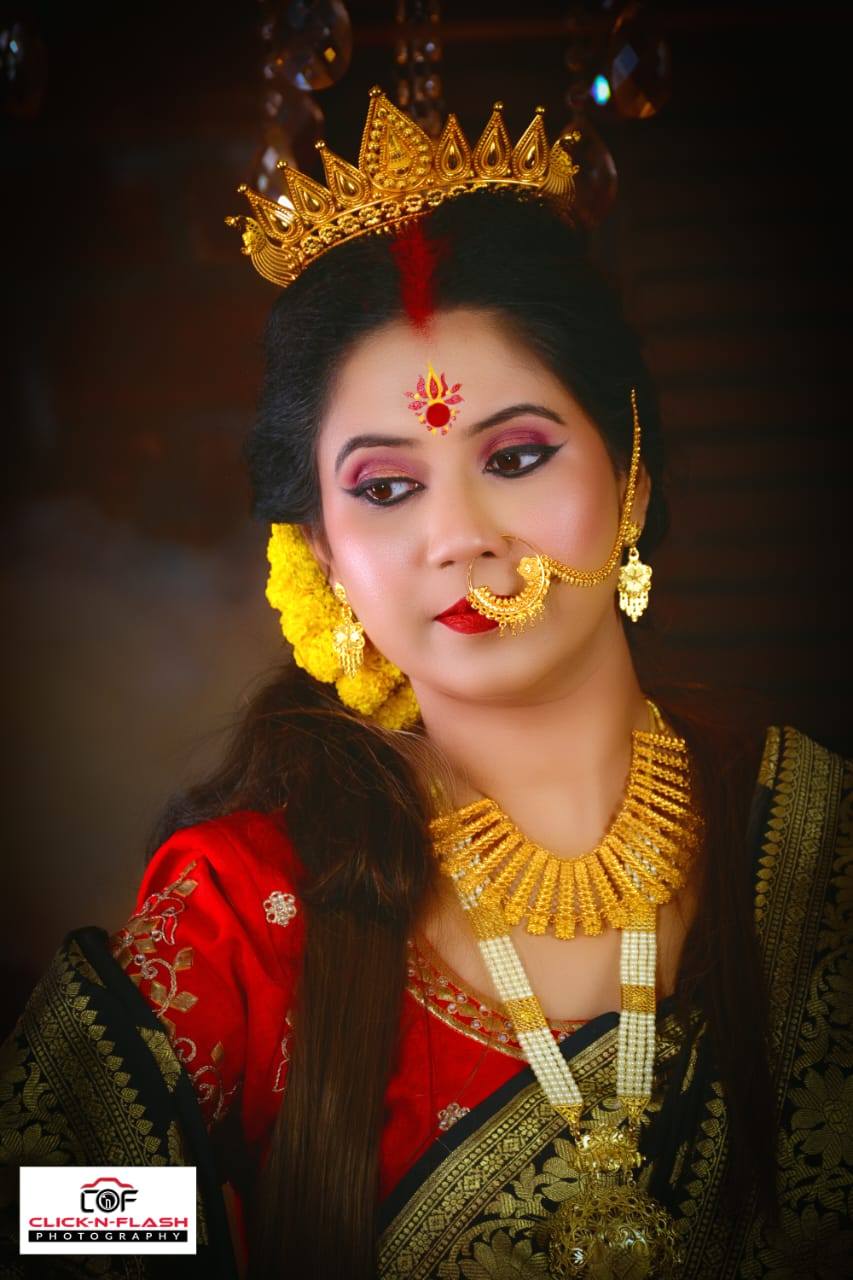
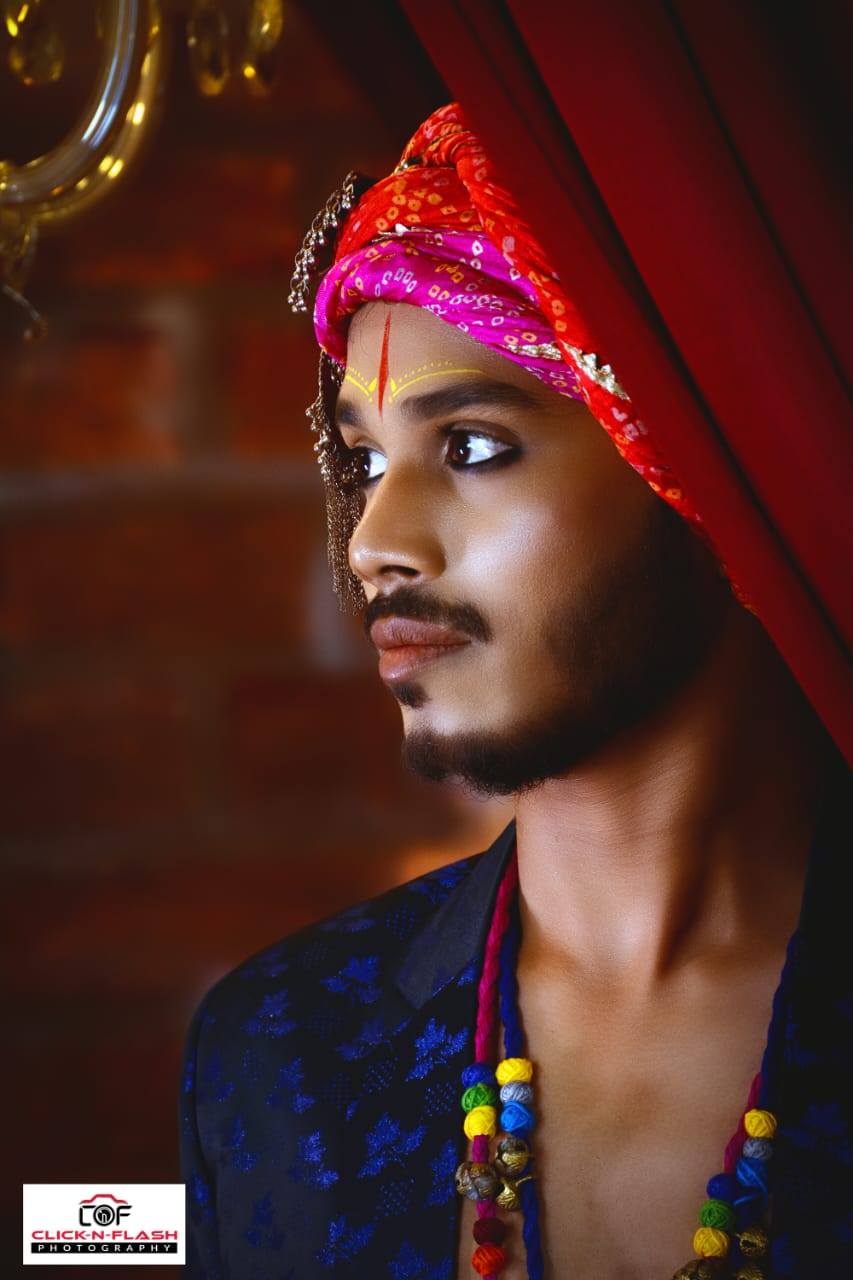
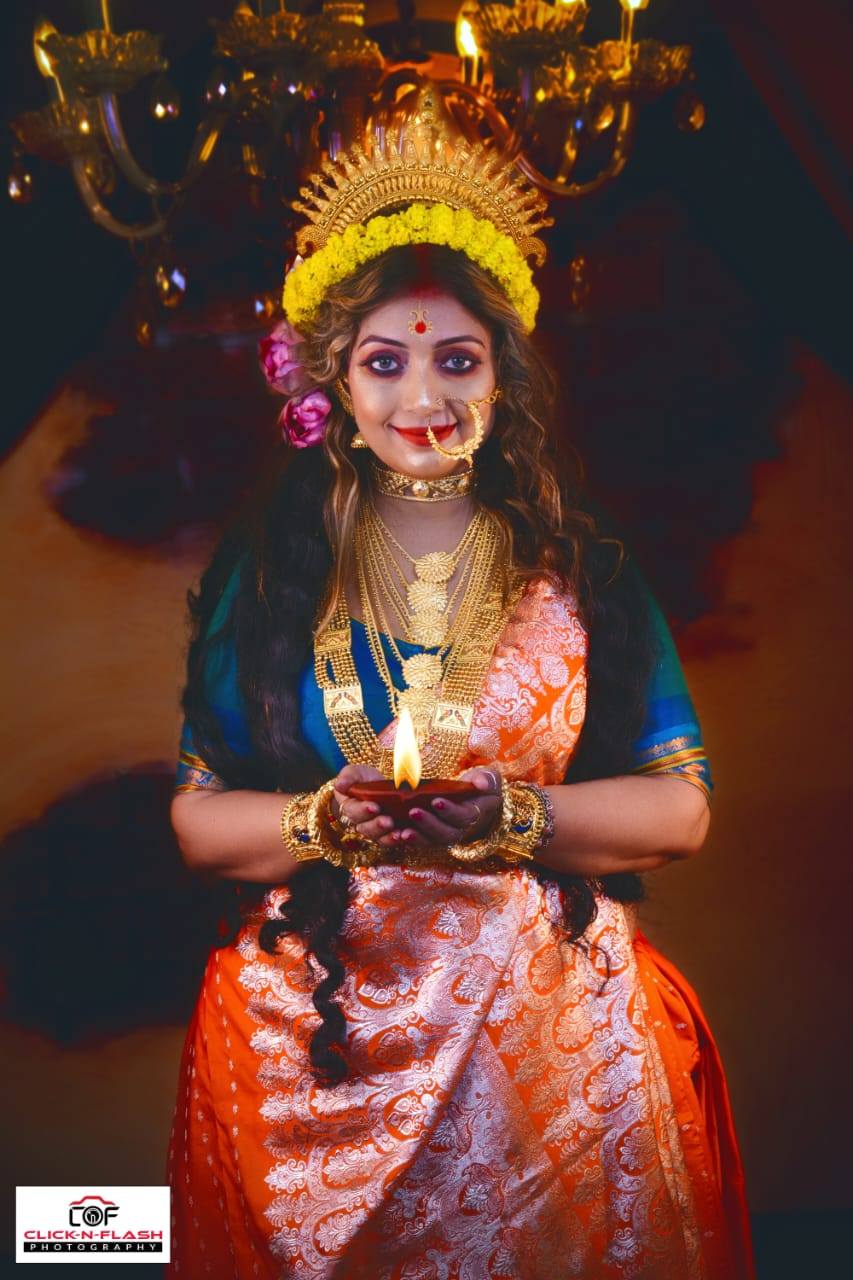
The most common failure in this industry is treating every face as the same problem. It is not a problem. Grooming for a stage and a camera means understanding proportion, how light behaves on skin, and what a particular feature does under a wide lens at fifty meters. A contestant who has been coached on her own face, rather than on a generic ideal, walks on stage looking like herself on a good day instead of a stranger's idea of a good day. That difference is visible from the third row.
Our grooming guidance also covers the unglamorous preparation. Skin and hair routines that survive a Kolkata summer, what to eat in the four days before a shoot, and how to sit in a chair under stage lights without looking like you are waiting at a dentist. Nutrition and fitness advice comes with the same caution. Nothing is prescribed, nothing extreme, and every recommendation has to be something a contestant can actually keep. A routine that ends the morning after the finale is worthless.
Almost nobody teaches a walk properly. What you see on most stages is a short walk, a turn, a smile, and a stop, repeated for four minutes while judges look busy. Real runway work is slower and far less comfortable. It starts with posture and weight distribution, then the footwork, then how a body line reads from across a room, then how it reads on a phone screen where the frame is vertical and the lighting is bad.
We train walks for three different conditions: a static T-pose for judges, a moving walk for a stage, and a short walk-and-turn for a camera test or reel. Contestants practice each until the body stops thinking about it. That is the actual standard of runway excellence, and it is not a pose you hold while someone photographs you. It is a skill that works at twenty feet, at sixty feet, and in a photograph taken by somebody who is slightly out of focus.
Nobody wants to become a pageant robot. Personality development in our program is closer to coaching than to etiquette classes, and it covers the three things that decide how a contestant is remembered: how she speaks, how she listens, and what she does when she is nervous. Answering a judge's question for fifteen seconds is a learnable task. Handling an unexpected one is a habit, and habits are built in rehearsal rather than on stage.
Public speaking sits at the center of this pillar, because a pageant is only a microphone with better lighting. Contestants speak in small groups during preparation, which means every person gets the stage time. They also practice the failure case, which nobody else does: what to do when you forget your line, when the music changes early, or when a question makes you angry. There is no shame in any of it, because the finale is not the first time anything happens.
Exposure is the word pageant marketing abuses most. Ours means your photographs, your walk, and your interview reach people who work: photographers, casting agents, event producers, designers, and people who book talent for stage programs. That is a small world, and it repeats. One good photograph in the right hands is worth more than a year of posting to an audience that has never hired anyone.
There is also a craft element. Contestants learn how to work with a photographer, how lighting changes a look, and how to give a brief. Every contestant leaves with photographs she can use and with an understanding of why a particular image of hers works better than another. That is a professional skill that belongs to her regardless of how the night goes.
None of the five pillars is described with a word like "glamorous" or "luxurious," because those words describe how a stage looks from the sixth row and not what happened to a person before it. Grooming guidance is described in routines. Runway training is described in distances and footwork. Personality development is described in minutes of speaking practice per session. Media exposure is described as a list of who receives your images. Purpose is described as behavior on the day. If a pageant will not tell you its numbers, ask what changed in you instead, and see whether the answer is specific.
The fifth pillar is the least marketable and the most important. A pageant can hand a contestant a crown, a title and a photograph, and none of those answer the question that brings women and men to a pageant in their thirties and forties, which is whether the attention ever belonged to them in the first place. Purpose is how the pageant answers that. It is a reason for the platform to exist beyond the night of the finale.
We keep purpose practical rather than poetic. Our motto for the season is simple: beauty with responsibility. That means the pageant is a place where a crown is earned by showing up, by learning something hard, and by treating the people beside you with respect while you are all being judged. It also means we would rather lose a contestant to something better than have her win and then disappear. The platform should leave a mark, not a scar.
A mission statement that excludes people is a marketing line. Ours is narrower, and we would rather be precise than popular. Queen & King of Hearts is built for aspiring models and performers, which means people who want to be looked at professionally and are willing to be trained for it. That includes models, actors, performers, presenters, and people who simply intend to walk into rooms with authority for the rest of their lives.
It also includes categories that most pageants treat as an afterthought. Teen and Kids contestants are given their own criteria, their own preparation and their own rehearsal space, because a twelve-year-old competing against a nineteen-year-old is not a pageant, it is an exercise in managing hurt. Parents of young contestants can read the details of what we do, and ask the questions they actually want answered, before they fill in a form.
It also includes people who are not from Kolkata. West Bengal has no shortage of talent outside the capital, and a pageant that only works for people who can travel at a moment's notice is not a national platform, it is a local one with a large poster. Contesters from Siliguri, Ranchi, Asansol, Kharagpur and beyond should expect the same standard of preparation as contestants from Salt Lake or New Town, and the same access to the coaching that makes the difference.
It does not include people looking for a cheap evening out, and we would rather say that plainly than collect a fee. If you have no interest in training, no interest in being coached, and only an interest in being photographed, this is the wrong page for you. There is nothing wrong with wanting a nice picture. There is simply a different industry for that, and it is not this one.
Registration and auditions come first. You submit your details and a recent photograph through the process published for the season, and our team confirms your eligibility and the audition fee with you directly. Auditions then run by city, and the schedule is published so that nobody travels on a rumour. Shortlisting follows, and then the preparation phase begins. Every shortlisted contestant gets grooming guidance, ramp walk training and personality development sessions before the finale. No contestant is judged on raw talent alone, because that is not a fair basis for a competition and not a useful one either.
Rounds then narrow the field, and each round has a stated purpose. Early rounds establish your baseline and give you stage time. Later rounds test what the training built. The finale is the public event, with media, guests and a stage that behaves differently from any rehearsal room you have practised in. A contestant who has been in the room for weeks can handle it. A contestant who arrived on finale morning will find the lights louder than she expected.
Afterwards, media exposure and follow-up support continue for as long as they are useful to the contestant. This is the part that separates a platform from an event, and it is also the part that most pageant websites mention last because it is not for the audience. It is for you. If you have built something here, you should be able to use it on a Tuesday in a city where nobody knows the pageant exists.
Every pageant that claims to transform people asks for something in return, and being honest about the ask is the difference between a programme and a sales pitch. Our ask is attendance, attention, and a willingness to be corrected. Contestants who come to the training sessions and then do not practise are wasting their own fee, and we would rather tell them that than keep smiling about it.
We also ask for respect towards the other contestants. Nobody in this industry needs another person sabotaging a competitor's shoes or spreading rumours about a fellow participant. The judges are watching the room, not only the stage, and the way contestants treat each other is itself a form of presence. If that is not something you are willing to do, we will understand, but we will not have you.
Finally, we ask for honesty in what you write and say on stage. A prepared answer that is yours is worth more than an impressive sentence lifted from someone else. The purpose pillar is not a slogan about kindness. It is the standard that your own voice is allowed to be your own, and that we will not coach you into sounding like a pageant brochure.
Kolkata has produced some of India's most recognisable pageant and modelling talent, and the city has a cultural confidence that suits a pageant built on personality rather than only appearance. It is also a difficult city to run this kind of programme in, which is probably why very few people do it well. Talent is everywhere here. The professional infrastructure around stage, media and production is thin, and that gap is a genuine opportunity for anyone willing to invest in it properly.
Our reasoning for the 2026 season is straightforward. Registration is open, the categories are defined, and the preparation phase is planned to run long enough to actually teach something. Whether you are seventeen or forty-seven, whether you have walked a stage before or not at all, the entry point is the same: a recent photograph, your details, and a decision about whether you want the training. If the answer is yes, the rest of this page tells you what you get.
So here is the whole of our beauty pageant mission in one line. We take aspiring models and performers, we train them properly in grooming, runway and personality, we give them real exposure, and we judge them on what they are rather than what they were born with. If that sounds like more than a trophy, the rest of this page explains exactly what it means, and the questions below answer what most people want to know before they register.

A premium platform for aspiring models and performers. Discover grooming, runway excellence, and global exposure designed to transform confidence into presence.
Apply Now →
Stay updated with the latest news, stories, and insights from our community.
Pageants are about much more than beauty. They celebrate confidence, personality, communication, intelligence, grace, and the ability to make a positive impression. While contes...
Get answers to your questions about our services & events. We're here to help!
Plenty, and some of them are better starting points than a pageant. A weekend modelling workshop or a short course in stage presence will teach you the same fundamentals without an entry fee or a judging panel attached, and the material is largely identical. A local theatre group or a dance class will teach you to be looked at by strangers, which is the hardest skill in this industry and the one people avoid the longest. Modelling portfolios, freelance or part-time work in front of a camera, or assisting at a fashion show will give you real stage time without a competition attached to it. Community events, college festivals, and cultural programs are also excellent, because nobody is grading you, and you can be genuinely bad at it in front of people who will still applaud. If the crown is not what you want, take the training somewhere that does not need a winner. When you are ready for the judged version, you will already know whether you enjoy it, and you will walk into the audition with the fundamentals done. That is a much stronger position than paying a fee to be taught something you could have learned for nothing.
Yes, if you complete the training and if you pick the season for the coaching rather than the sash. Think about the fee as the cost of a short professional program with a deadline attached. Deadlines help. A woman who has been meaning to fix her posture, speak clearly in front of strangers, and stop apologizing for taking up space has usually postponed it for years, because there is no consequence to postponing. A pageant puts a date on it and a coach in the room, and that is what changes the outcome. Contestants who finish the program and walk on stage regardless of results generally describe it as the most useful thing they spent money on that year, which is a strange sentence to read in an industry full of disappointment stories. Be clear-eyed about the exceptions. If you will not attend the training, or if you are entering mostly for the photograph, this is not a good use of your money, and we will tell you so on the phone. Judge us on whether we are honest with you now rather than flattering now and disappointed later.
Then you are in the majority, and the runway training exists for people who have never walked one. Nobody arrives at a Queen & King of Hearts audition able to walk. What you bring is a body that works, willingness to be corrected, and the patience to practice a boring thing until it stops being boring. Training starts from how you stand: where your weight sits and what your shoulders are doing while you are thinking about your shoulders. Then footwork, then the T-pose judges expect, then the walk-and-turn for a camera test, then the moving walk at stage length. It is physical and it is learnable and it is repetitive, which is exactly what makes it work. The mistake to avoid is practicing only in front of a mirror in your bedroom, because a mirror teaches you what you already do. Practise with a coach watching, then practise with a camera, because the two give you different information. Most contestants walk noticeably better after a few sessions and completely differently by the finale, and that change is the part of this industry that is actually under your control.
Judge it on coaching, not on the name on the sash. A regional pageant that gives a contestant real preparation and honest judging is worth more than a national title conferred on somebody who spent the afternoon in a waiting room. National platforms carry more media weight, which matters only if you intend to work in the industry that media weight reaches. If your plan is to build a career in modeling or performance, ask what happened to last year's finalists. Names, photographs, auditions attended, and work booked. If nobody can answer, the name is decoration. If your goal is confidence, stage presence, and a reason to be coached for six weeks, a regional pageant with a serious program will do that more effectively than a large one with a thin one. A practical middle route exists as well: enter a regional platform early, build the fundamentals properly, and use that platform's coverage and coaching as the foundation for a bigger name later. Plenty of working talent took that route rather than betting a career on a single evening in a large auditorium.
Honesty first. Several Kolkata and Bengal pageants do good work, and some of them are better funded than we are. The useful comparison is not popularity, it is what a contestant ends up with. Look at three things before you register anywhere. Does the training happen before judging, or does the contestant walk on stage having been coached for the first time that morning? Are the judging criteria written down and specific to the category? And does the fee cover the programme, or does the headline number exclude the training and reappear later as add-ons? Pageants that answer those three questions clearly are rare, whatever their logo looks like. Where our position is specific is that training is pre-event and included for shortlisted contestants, criteria are published per category, and the cost structure is itemised before payment. If a competing pageant publishes that same level of detail, choose on the season you would rather be in, because the contestant experience will be broadly similar. If it does not, the comparison ends quickly.
You can ask us for them, and you should. If a pageant cannot show you past contestants, past results, and a way to reach the people who were in those rooms, treat that as information in itself. We are happy to share contestant photographs, coverage of past seasons, and details of past winners and finalists so you can see the standard and the categories on the page. Where a past contestant has given us permission to share her perspective, we will connect you with her directly, and speaking to someone who actually attended is worth more than any brochure, because she will tell you what it was really like. Be fair about what you hear. A pageant cannot make every contestant comfortable at every moment, and a contestant who had a difficult time is not proof of a broken process. Look for specifics. What did she learn? What did she do? Would she tell her own daughter to enter? That answer is the one worth having. Contact our Kolkata office or call +91 70449 67585 and we will arrange it.
Before the event, support means the preparation program, published schedules, clear written confirmation of fees and dates, and a named contact who answers the phone. It means a styling brief per category so you are not guessing at the evening of the finale and guidance on what to practise in the two weeks before you walk. After the event, support means the photographs and coverage you can actually use, exposure to people in modelling, casting, and event production who see contestant images professionally, and follow-up that continues for as long as it is useful to you. If you won, we stay reachable, because a crown with nobody behind it is a photograph and nothing more. If you did not win, you keep everything you learned, and we will tell you honestly where your next step is if you want one. The people we remember best from past seasons are not the winners. They are the contestants who came for one pageant, got serious about the training, and then used it somewhere we never sent them.
We build for it, and we would rather describe the mechanism than ask for trust. Contests are judged on criteria that are fixed before the season, the same criteria apply to everybody inside a category, and there is no category of contestants who are assessed on a different standard. Shortlisting is done by the people who will also shortlist the next round, not by a committee that appears on finale night. Judging panels record their scores, and the decision is a discussion rather than a first impression taken in the first ninety seconds. Where a tie happens, which is more common than organizers admit, the tie is broken on the strongest consistent scores rather than on a judge's preference decided after the lights come up. We also publish what happened after the results, which is the part that keeps us honest: contestant feedback, what we would change about the season, and whether the season did what this page said it would. A pageant that never reviews itself is not being fair; it is being lucky.
Our panels are built to cover the range of what a contestant is being assessed on, which in practice means judges with real professional experience in performance, styling, modelling, or casting, alongside judges with experience of stage presentation. We do not stack a panel of people who all judge the same thing and then wonder why every contestant sounds identical. What judges look at depends on the category, and the criteria for each category are set out before the season rather than invented on the night. Broadly that means presence and stage awareness, communication and personality, grooming appropriate to the category, and a walk that reads as intended. For the Teen and Kids categories, the criteria reward confidence, personality, and stage awareness appropriate to the age, with no credit given for adult performance a child should not be attempting. Judges score independently, results are discussed and confirmed, and the final outcome is announced at the finale. If you ask a judge for their reasoning in private, most will decline, and that is also normal in this industry.
The guarantees we can make are specific, and we would rather make three real ones than twelve vague ones. First, every shortlisted contestant receives the preparation program we describe, in grooming, ramp walk training, personality development, and stage rehearsal, before any judging happens. Second, judging happens against criteria published in advance for each category, and contestants are scored inside their own category rather than against the whole field. Third, the fee you are asked to pay is itemized in writing before you pay it, and any cost that genuinely changes what you receive is quoted separately and in advance. Those three are promises about process, and process is what an organizer actually controls. What we will not promise you is a win, a career, a magazine cover, or a guaranteed place in any industry, because nobody can honestly promise those, and anyone who does is selling you a story. Judge us on the process. It is the only part of this that anybody in this industry gets to be held to.
Our office is in Kolkata, West Bengal, and the fastest route to a real person is the phone. The published contact number is +91 9123061110, and for anything urgent, including questions about an audition date or a missed call, call it. Email works too, and the address is info@queenandkinghearts.com, which is where written confirmation of fees, dates, and eligibility belongs. Keep the conversation on a channel that you have access to, and keep a record of what you were told about dates. We reply during working hours, and we reply to the substance of your question rather than sending a brochure. If you are asking whether you should enter, we will answer honestly, including when the answer is that this season is not right for you yet. If you are asking about the fee for a specific category, we will give you the number for that category and what it includes. If a question needs the season schedule to answer, we will say so and point you at it. You can also visit the Kolkata office, which is the right move if you want to see the operation before you decide.
They can, and we treat them as a first-class part of the platform rather than an opening act. Teen and kids contestants receive their own preparation and their own rehearsal space, and their judging criteria are written separately so that their results are meaningful. For younger contestants the skills we build are communication, posture, stage awareness, personal expression, and the discipline of walking on and off a stage at a signal. We do not coach a twelve-year-old to present as an adult, and any parent reading this can hold us to that. Parents are welcome at auditions and rehearsals, and we will tell you plainly what your child is being asked to do at each stage. A child who is tired, or who does not want to continue, stops. That is not a lost opportunity; it is a promise we make before you register. Every young contestant is judged within her own category on confidence and personality for her age, and the feedback goes to you as well as to her.
The 2026 season runs across Miss, Mrs., Mr., Teen, and Kids categories, and each one is judged against its own criteria rather than against the others. That distinction matters more than contestants usually expect. A teen contestant is not competing against a Mrs. contestant and never was. She is being assessed on presence, communication, and stage awareness appropriate to her age, and the judges are instructed to score within her category, not across the field. The same applies to kids, where the criteria reward confidence and personality rather than any adult skill a child should not be performing. Category age ranges for the season are set out in the eligibility details published for the season, and those published ranges are the ones we apply. If you are unsure which category fits you, send us your date of birth and we will tell you. What we will not do is let you enter a younger category to improve your placing or push you into an older one. It protects you more than it protects us.
Yes, and we would be misleading you if we suggested otherwise. Queen & King of Hearts is based in Kolkata and rooted in the city, but the platform runs nationally, and we receive registrations from contestants across India. Out-of-state contestants should expect the same standard of preparation, the same judging criteria, and the same media exposure as contestants from Salt Lake, New Town, or Park Street. What changes is logistics. Travel to an audition or a round is at your own cost unless the published schedule states otherwise, so plan it early rather than on a Thursday night. Accommodation advice is something we will happily give you, including where to stay relative to the venue, because a contestant who has slept four hours should not be judged on her posture. If you are coming from another state and nervous about the scale of the week, say so at registration. We have seen a lot of first-timers handle this well, and it is almost entirely down to whether someone told them what to expect.
We plan auditions around where contestants actually are, not around convenience for the organiser. Kolkata is the home base and the first venue, and regional auditions across West Bengal are scheduled for the cities where registrations justify them. Beyond the state, if a city has enough registrations to run a proper audition, we hold one. If it does not, we arrange a scheduled online audition rather than asking you to travel on a promise. Tell us your city when you register, and we will tell you honestly which of those applies to you. Nobody should spend money on a train ticket to discover at a station that there was no audition in their city this season. That has happened to enough contestants in this industry that we built the rule out of it: no registration accepted without a clear answer about where the audition happens and how. If the answer is online, that is a real option rather than a consolation prize, and for a first round it works well.
Bring what your category's styling brief requires, and ask us for that brief in advance rather than guessing. Beyond the garment, prepare the things that decide how a contestant reads on stage. Practise your walk daily in the shoes you will actually wear, because a shoe changes your posture and an unpractised heel is visible from the judge's table. Rehearse your introduction until it is boring, since an introduction delivered as if it matters is worse than one delivered as if it is a fact. Know your walk order and your placement. Eat normally, sleep properly, and treat the week before as preparation rather than crash timing. Bring water. Bring a small emergency kit for a long evening of lights and studio makeup: powder, a hair tie, safety pins, plasters for the shoes you did not get used to, and a snack you can eat without thinking. And arrive early enough to be looked after rather than rushing. Every one of those items is unglamorous and every one of them affects how you appear under a stage light on a long evening.
No. You do not need modelling experience, pageant experience, or a professional walk. Most contestants who enter Queen & King of Hearts have never been on a stage before, and the training program exists precisely for them. That said, there are two honest caveats. The first is that you will be asked to practice. A contestant who registers and then attends nothing is in a pageant she did not really enter, and no organization can build presence for someone who is not in the room. The second is that you should be comfortable being looked at and being photographed. Not confident, not experienced, just willing. Those are the only two requirements beyond eligibility. Everything else, from how you stand to how you answer a judge, is what the preparation phase is for. If you have never walked a ramp, you will not be asked to pretend otherwise. If you have walked for years, you will be asked why, and the answer will be interesting. Either way, come ready to learn, and the pageant does the rest.
Auditions for the 2026 season run on published city dates, and shortlisted contestants move into the preparation phase, which is the longest part of the journey and the one worth being patient about. The preparation phase is planned to run long enough to teach something real rather than long enough to look impressive on a calendar. Training sessions happen on a schedule confirmed with contestants, and the rounds that narrow the field are each announced with a stated purpose, so you always know why you are on stage. The finale is the public event with media and guests, and it is the shortest, loudest night of the entire process. If you are looking at the whole thing and finding it overwhelming, the useful comparison is not how big the pageant is. It is how long the training is. A long preparation phase is a feature, not a delay, and the contestants who treat it as a delay usually arrive at the finale with the same walk they walked in with on audition day. Slow here means ready there.
An audition is short, practical, and less frightening than most people expect. You arrive for your assigned slot, register at the desk, and go through a brief process with our team. It includes a short interview conversation, which is not a speech and does not need preparation beyond knowing a few things about yourself. It includes a walk, because we need to see how you carry yourself right now, not what you might learn in six weeks. It includes a photograph, taken properly rather than on a phone by a friend. And it includes an honest assessment, which is the most valuable part. You will leave the room knowing whether you were shortlisted and what specifically to work on if you were not. Many contestants tell us that the feedback alone justified the audition fee. That is only true if the feedback is specific, which is why we do not hand out a generic thank-you and a polite smile. Expect to be looked at for under ten minutes and told the truth about what was seen.
You start with the registration and audition process published for the season on this site. You submit your full name, your contact details, your date of birth, and a recent photograph, along with the category you want to enter, whether that is Miss, Mrs., Mr., Teen, or Kids. Your WhatsApp number should be active, because most of the season's communication happens there, and a contestant who cannot be reached on WhatsApp will miss dates that cannot be rescheduled. Once your submission lands, our team reviews it for eligibility and contacts you with the audition fee, the date, and the process in writing. Auditions run by the city, and the schedule is published rather than circulated by rumor. If you live outside West Bengal, tell us your city when you register, because we plan regional auditions around where contestants actually are instead of expecting everyone to travel to Kolkata on a guess. Registration for the season closes on the date shown for it, and a closed registration is a closed registration. We would rather run a season properly for the people in it than keep the doors open for people who will not arrive.
A title, a crown, a sash, and the official photographs and coverage of the event. That is the visible part, and we will not inflate it with claims we cannot verify. What matters more is what sits underneath: a completed preparation program in grooming, runway and personality development; a portfolio of photographs produced by working photographers; and exposure to people in modeling, casting, and event production who see contestant images professionally. Winners from past seasons describe the training as the thing they still use and the crown as the thing their family photographs. We prefer that framing because it survives contact with reality. Be cautious of any pageant that promises a guaranteed career, a guaranteed magazine cover, or a guaranteed film role. Nobody can promise that honestly, and anyone who does is selling a story rather than a program. What we can describe precisely is the training, the standards, the exposure, and the support. Those are real, and they are worth a fee.
Payment schedules for the 2026 season are confirmed with each shortlisted contestant directly, with clear dates and clear stages, so you always know what is due and when. We do not run a fee you pay on the night of the finale with a card machine in the venue, and we do not ask for payment through a personal account. Those two things are why a lot of contestants get hurt in this industry, and they are avoidable entirely. On negotiation, the honest answer is that a published fee is a published fee. We are not going to quietly discount one person while charging another, because a secret price turns every other contestant into someone who has been told a different number. What we can be flexible about, in specific situations, is timing. If money is genuinely tight, say so plainly before the season starts, and we will talk about it in the open rather than after you have committed. Honesty about constraints is treated as information, not as a bargaining position.
Yes, and this is the part worth scrutinizing, because plenty of pageants advertise a headline fee and then sell the actual program back to you as add-ons. When we say the preparation program is included for shortlisted contestants, we mean grooming guidance, ramp walk training, personality development sessions, and stage rehearsal, not a fifteen-minute group briefing on the morning of the finale. Where money genuinely changes what you get, we say so in advance. A professional studio shoot, a custom wardrobe, a printed portfolio, or travel outside Kolkata for a round are separate costs, and any of them will be quoted to you in writing before you commit. Be suspicious of any pageant whose fee includes a photo shoot but not the training, because that tells you exactly where the money went. The training is the reason the platform exists. The photograph is a by-product of the training, and pricing it as the main event is how this industry keeps disappointing people.
Refund terms are the question every honest pageant has to answer clearly, and most bury it. Our position is straightforward. Registration buys an audition, and an audition is a real service with real judges spending real hours on it, so it is not refundable simply because you were not selected. That is not a punishment. It is the same reason a theater charges for the audition. What we will do is make sure you leave with something worth having. Shortlisted or not, you receive feedback on your submission, an honest assessment of what to work on, and access to the guidance we give during the preparation phase. If you withdraw before the audition date because of a genuine emergency, tell us, and we will look at it case by case rather than hiding behind a printed policy nobody reads. The thing we will not do is refund a fee because someone did not win, and then describe that as a refund. It is not.
Registration covers your audition and, for shortlisted contestants, the preparation program that follows it. The exact figure for the 2026 season depends on the category you enter and the round you reach, so treat any number you see quoted elsewhere as unverified until our team confirms it for you. We publish what a fee buys, and that matters more than the digit itself. Your audition includes eligibility confirmation, a scheduled audition slot, and feedback on your photographs from the people who will actually shortlist you. If you are shortlisted, the preparation program is where the bulk of the value sits, with grooming guidance, ramp walk training in small groups, personality development sessions built around public speaking, and access to the media exposure that comes with the season. Ask for a written breakdown of the fee before you pay anything. Any organizer who cannot itemize what you are paying for is telling you something about how the rest of the season will run.